C.D. Guadalajara: Mexico’s Historic Football Club and Legacy
Club Deportivo Guadalajara, affectionately known as Chivas, stands as one of Mexico’s most iconic football clubs. Founded in 1906, the team has cultivated a unique identity rooted in tradition, local pride, and an unwavering commitment to Mexican talent. Unlike many clubs that prioritize international signings, Chivas has maintained a strict policy of fielding only Mexican players—a philosophy that has shaped its legacy in profound ways.
The club’s home, Estadio Akron in Zapopan, Jalisco, serves as a fortress where generations of passionate supporters have gathered to witness football history. With a capacity of over 46,000, the stadium’s atmosphere during big matches is electric, a testament to the deep connection between the team and its community. Chivas isn’t just a football club; it’s a cultural symbol that transcends the sport itself.
The Chivas Philosophy: A Commitment to Mexican Talent
At the heart of Chivas’ identity is its policy of exclusively signing Mexican-born players. This approach, implemented in the mid-1970s under then-president Enrique Landa, has become a cornerstone of the club’s philosophy. While other clubs in Mexico and abroad often prioritize foreign talent for immediate success, Chivas has remained steadfast in its belief that Mexican players deserve opportunities to shine.
The club’s academy system, known as La Cantera, has produced some of Mexico’s most celebrated footballers. Players like Javier “Chicharito” Hernández, Omar Bravo, and Carlos Vela honed their skills within the system before making their mark on the global stage. This focus on youth development ensures that Chivas remains a pipeline for Mexican football talent.
However, the policy isn’t without controversy. Critics argue that limiting the roster to Mexican players can hinder competitive success, particularly in continental competitions like the CONCACAF Champions Cup. Despite these challenges, Chivas has remained resolute, proving that passion and identity can outweigh purely tactical considerations.
- Notable Mexican Players Developed by Chivas:
- Javier “Chicharito” Hernández – Manchester United and Mexico striker
- Omar Bravo – Former Chivas and international forward
- Carlos Vela – LAFC and former Arsenal forward
- Ramón Morales – Chivas legend and midfield maestro
Triumphs and Challenges: A Look at Chivas’ Legacy
Chivas boasts an impressive trophy cabinet, with 12 Liga MX titles and four CONCACAF Champions Cups to its name. The club’s first league title came in 1957, a milestone that marked the beginning of a golden era under coach Donaldo Ross. In the 1960s and 1970s, Chivas dominated Mexican football, winning multiple championships and cementing its reputation as a powerhouse.
The 1980s and 1990s presented new challenges as Chivas struggled to replicate its earlier success. Financial difficulties and changes in league dynamics led to periods of inconsistency. However, the club’s resilience shone through in the early 2000s when it secured back-to-back league titles in the 2006 Apertura and 2006 Clausura under coach José Manuel de la Torre.
More recently, Chivas claimed the Liga MX title in the 2017 Clausura and the Apertura 2023, proving that its winning tradition remains alive. The 2023 triumph was particularly significant, as it marked the club’s first title in six years and came under the guidance of coach Fernando Ortiz. The victory sparked celebrations across Guadalajara and reaffirmed Chivas’ status as a perennial contender.
Chivas in the Modern Era: Balancing Tradition and Ambition
In today’s football landscape, Chivas faces the dual challenge of preserving its identity while competing at the highest level. The club’s ownership has invested in infrastructure, including state-of-the-art training facilities, to ensure that La Cantera continues to produce top-tier talent. Additionally, Chivas has expanded its global presence through initiatives like the Chivas USA project, aimed at growing the club’s fanbase beyond Mexico’s borders.
However, the financial realities of modern football pose significant hurdles. While Chivas’ strict policy on Mexican players is a point of pride, it also limits the club’s ability to attract high-profile international talent that could bolster its competitive edge. This tension between tradition and pragmatism is a defining feature of Chivas’ modern identity.
The club’s recent forays into the Liga MX Femenil have also been noteworthy. Chivas Femenil has quickly established itself as a dominant force in Mexican women’s football, winning multiple titles and showcasing the depth of talent within the club’s ranks. This commitment to inclusivity and growth reflects Chivas’ evolving approach to the sport.
The Chivas Fanbase: A Community United by Passion
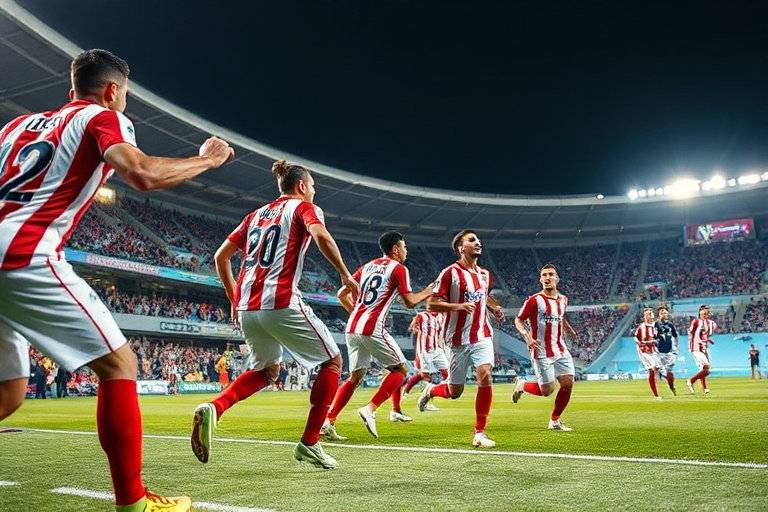
No discussion of Chivas would be complete without acknowledging its passionate fanbase. The supporters, known as “La Adicción” (The Addiction), are renowned for their unwavering loyalty and vibrant displays of fandom. From the iconic green-and-white striped jerseys to the thunderous chants echoing through Estadio Akron, the atmosphere at Chivas matches is unparalleled in Mexican football.
The club’s connection to its community extends beyond the pitch. Chivas is deeply involved in social initiatives, from youth development programs to health and education campaigns. This commitment to giving back has further endeared the club to its fans and solidified its role as a pillar of Mexican society.
The rivalry between Chivas and Club América is one of the most intense in Mexican football. Matches between the two clubs, known as the “Clásico Nacional,” draw massive viewership and are steeped in history. For Chivas fans, victory over América is more than a win—it’s a statement of pride and identity.
What the Future Holds for Chivas
As Chivas looks ahead, the club faces both opportunities and challenges. The continued success of La Cantera will be critical in maintaining the team’s competitive edge, while strategic investments in infrastructure and technology could enhance performance. Additionally, expanding the club’s global footprint through tours and partnerships may open new revenue streams and fan bases.
Yet, the most important task for Chivas remains staying true to its roots. In an era where football is increasingly commercialized, Chivas’ commitment to Mexican talent and community values sets it apart. The club’s ability to balance tradition with ambition will determine its legacy in the years to come.
One thing is certain: as long as there are fans willing to don the green-and-white stripes and sing the club’s anthem, Chivas will endure. It is more than a football club; it is a symbol of Mexican pride, resilience, and passion.
A Final Word on Chivas’ Enduring Legacy
Club Deportivo Guadalajara’s story is one of triumph, perseverance, and unwavering identity. From its humble beginnings in 1906 to its status as a Mexican football institution, Chivas has remained a beacon of tradition in an ever-changing world. Its commitment to Mexican talent, its passionate fanbase, and its rich history make it a club unlike any other.
For supporters old and new, Chivas is more than a team to cheer for—it is a cause to believe in. And as long as the green-and-white stripes continue to fly, the legacy of Chivas will live on.