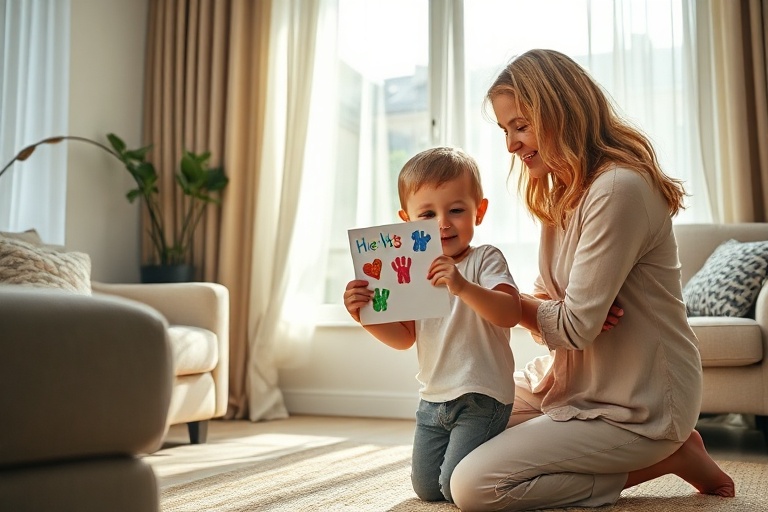
Every year, families around the world pause to honor the women who shaped their lives. Día de la Madre, or Mother’s Day, is more than a commercial holiday—it’s a global testament to the enduring influence of mothers. While celebrations vary widely from country to country, the sentiment remains universal: gratitude for the love, sacrifice, and strength embodied by mothers.
The modern observance of Mother’s Day has roots in early 20th-century activism and tradition. In the United States, the holiday was officially established in 1914 after years of advocacy by Anna Jarvis, who campaigned to recognize the contributions of mothers. Mexico’s version, Día de las Madres, emerged from a different historical context. It began in 1922 when journalist Rafael Alducin called for a national day of tribute, inspired by the Catholic tradition of honoring the Virgin Mary and the cultural reverence for motherhood. Today, both countries—and many others—celebrate with parades, gifts, and family gatherings.
The Evolution of Mother’s Day in Latin America
In Latin America, Mother’s Day is deeply tied to family, faith, and community. In Mexico, the holiday is celebrated on May 10th, regardless of the day of the week. Cities transform into vibrant displays of color and music, with schools hosting performances and public events honoring mothers. A traditional serenade, or mañanitas, often begins at dawn, with mariachi bands singing to mothers still in bed. This practice underscores the cultural emphasis on personal, heartfelt gestures over material gifts.
In Argentina, Mother’s Day is observed on the third Sunday of October, aligning with the Catholic feast of the Maternity of the Blessed Virgin Mary. Families gather for asados—traditional barbecues—and children present handmade cards or small tokens of appreciation. The holiday reflects Argentina’s blend of religious tradition and familial warmth. Meanwhile, in Colombia, Mother’s Day is celebrated in May with schools organizing special programs where children recite poems or perform dances dedicated to their mothers.
Across these cultures, the holiday serves as a reminder of the central role mothers play in preserving traditions and fostering intergenerational bonds. Whether through music, food, or shared stories, the celebrations reinforce the idea that motherhood is both a personal and collective experience.
Commercialization vs. Authentic Celebration
The commercialization of Mother’s Day has sparked debate. Florists, jewelers, and restaurants see a surge in business, often promoting extravagant gifts as the ultimate expression of love. While these industries thrive, critics argue that the holiday’s original purpose—gratitude and reflection—can become overshadowed by consumerism. A 2023 survey by the National Retail Federation found that Americans planned to spend an average of $274 on Mother’s Day gifts, up from $245 in 2022. This trend raises questions about the balance between tradition and market forces.
In response, many families are reclaiming the holiday’s essence by opting for simpler, more meaningful gestures. Handwritten letters, family meals, or a day dedicated to a mother’s favorite activity often carry more weight than store-bought items. In Mexico, for example, it’s common for children to prepare breakfast in bed or write poems for their mothers, reflecting a deeper cultural value placed on sincerity over extravagance.
This shift highlights a broader cultural conversation about holidays in the modern era. As traditions evolve, so too does the way societies honor the people and values they cherish. Mother’s Day, in particular, invites reflection on what it means to give—not just gifts, but time, attention, and love.
Global Traditions: How Other Countries Honor Mothers
While Latin America embraces Mother’s Day with music and feasts, other countries have unique ways of celebrating. In Thailand, Mother’s Day coincides with the birthday of Queen Sirikit on August 12th. The day is marked by parades, fireworks, and public ceremonies where children present jasmine flowers—symbols of maternal love—to their mothers. The queen, often referred to as the “Mother of the Nation,” is celebrated as a matriarchal figure.
In Ethiopia, mothers are honored during the three-day festival of Antrosht, a harvest celebration held in autumn. Families gather to share a traditional meal of doro wat (spicy chicken stew) and injera (flatbread), with children expressing gratitude through songs and dances. The festival ties motherhood to the land and community, emphasizing the interconnectedness of family and nature.
In Japan, Mother’s Day is celebrated on the second Sunday of May, with carnations being the most popular gift. The holiday was introduced after World War II as part of a broader effort to promote peace and family values. Today, children often present their mothers with handmade gifts or take them out for a meal, reinforcing the importance of family bonds in Japanese culture.
These diverse traditions illustrate how Mother’s Day adapts to local values and histories. Whether through food, music, or ritual, the common thread is a celebration of the women who nurture and sustain communities.
Creating Lasting Memories on Mother’s Day
For families looking to make Mother’s Day special, the key lies in personalization. A day that reflects a mother’s unique interests—whether it’s a hike, a museum visit, or a quiet afternoon with a book—can be more meaningful than a generic gift. In an era where digital interactions often replace face-to-face connections, dedicating uninterrupted time to a mother can be the most valuable gesture of all.
For those separated by distance, technology offers creative solutions. Video calls, digital photo albums, or even a shared playlist of songs that remind a mother of her children can bridge the gap. In Mexico, families living abroad often send remesas (money transfers) alongside heartfelt messages, ensuring their mothers feel supported even from afar.
Schools and community organizations also play a vital role in keeping the spirit of Mother’s Day alive. Many schools in Latin America organize events where children perform songs, recite poetry, or present handmade gifts. These activities not only honor mothers but also teach younger generations the importance of gratitude and tradition.
As society continues to evolve, so too will the ways we celebrate Mother’s Day. Yet, the core message remains unchanged: mothers are the foundation of families, and their love deserves to be celebrated not just one day a year, but every day.
Honoring Mothers Beyond One Day
While Mother’s Day provides a dedicated moment for celebration, many advocates argue that the values it represents—gratitude, care, and respect—should extend year-round. Organizations like Culture on Dave’s Locker highlight the importance of recognizing the often-unseen labor of mothers, from emotional support to household management. Recognizing these contributions can foster a more equitable society where caregiving is valued as much as professional achievement.
In workplaces, flexible policies such as parental leave and remote work options can help mothers balance career and family responsibilities. In education, programs that teach emotional intelligence and caregiving skills can empower the next generation to appreciate and support mothers in their lives. These systemic changes reflect a deeper cultural shift toward valuing care work and the people who perform it.
Ultimately, Mother’s Day is a reminder that love and gratitude are not confined to a single day. They are daily practices that shape families, communities, and societies. By celebrating mothers not just on a designated holiday but through our actions and policies, we honor the profound impact they have on our lives.
As we reflect on the meaning of Mother’s Day, let us consider how we can carry its spirit forward—not just in grand gestures, but in the quiet, consistent ways we show love and appreciation every day.