Cambridge Street Scarborough: A Global Village in Toronto
Cambridge Street in Scarborough: A Fusion of Culture and Community
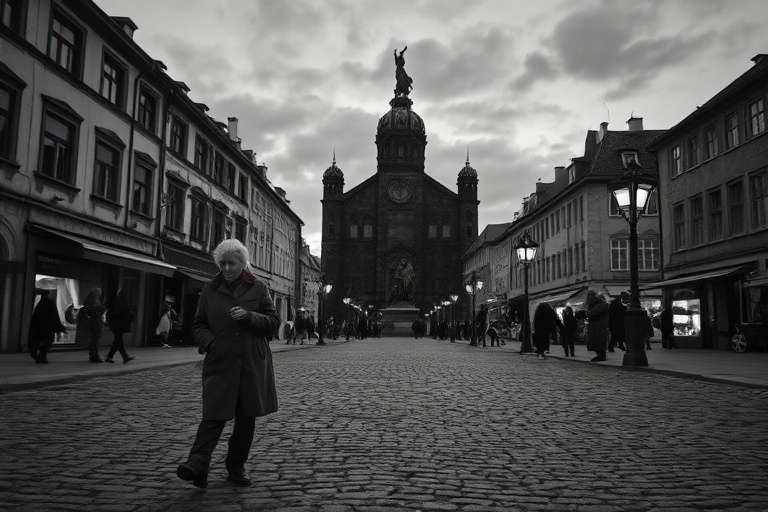
Cambridge Street in Scarborough, Ontario, is more than just a thoroughfare. It’s a living tapestry of global migration, local enterprise, and cultural exchange. Stretching through a neighborhood that has welcomed generations of newcomers, the street reflects Scarborough’s evolution from a suburban outpost to a vibrant urban hub. Its sidewalks tell stories—of entrepreneurs opening family businesses, of students walking to school, of neighbors gathering at corner diners.
The area’s identity is shaped by its diversity. Scarborough, often described as one of Toronto’s most multicultural suburbs, is home to large communities from South Asia, East Asia, the Caribbean, and beyond. Cambridge Street sits at the heart of this mosaic, where the aromas of samosas, jerk chicken, and pho mingle with the sounds of multiple languages spoken in quick succession. This convergence is not accidental; it’s the result of deliberate urban planning and organic community growth over decades.
Unlike the gleaming towers of downtown Toronto, Cambridge Street offers a more grounded perspective on the city’s multicultural fabric. It’s a place where the global meets the local—where a Halal meat shop sits beside a halal pizza place, where Bollywood posters adorn storefront windows, and where the annual Caribana parade route once passed through, drawing crowds from across the Greater Toronto Area.
The Economic Pulse of the Neighborhood
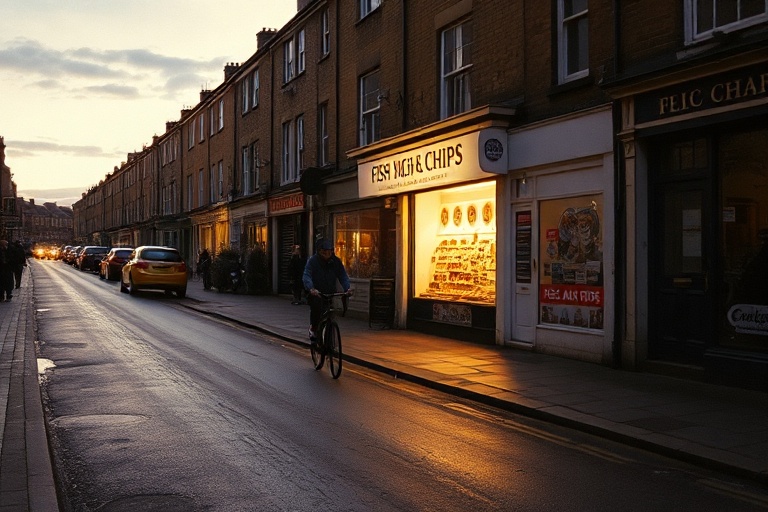
Economically, Cambridge Street is a microcosm of Scarborough’s resilience. The street is lined with small businesses that have thrived despite broader economic pressures. From family-owned grocery stores to barbershops and salons, these enterprises are often the first stop for new immigrants seeking to build a life in Canada. They also serve as community anchors, offering not just goods and services but social connection.
One notable example is the presence of numerous South Asian grocery stores and restaurants. These businesses cater to a growing population that demands familiar flavors and ingredients. The demand for South Asian cuisine in Scarborough has even influenced Toronto’s broader food scene, with dishes like butter chicken and biryani becoming staples in the city’s culinary lexicon. This gastronomic influence is a testament to how immigrant communities shape urban food cultures worldwide.
Yet, the economic landscape of Cambridge Street is not without challenges. Rising commercial rents and gentrification pressures threaten the survival of long-standing businesses. In response, community organizations and local activists have pushed for policies that support small businesses, such as rent subsidies and zoning protections. These efforts highlight a broader global trend: the struggle to preserve cultural identity in the face of urban development.
Key Economic Contributors Along Cambridge Street
- Halal Meat and Grocery Stores: Supply traditional ingredients for South Asian, Middle Eastern, and African cuisines, serving a diverse customer base.
- Restaurants and Cafés: Offer everything from Jamaican patties to Vietnamese pho, reflecting the neighborhood’s multicultural makeup.
- Barbershops and Salons: Provide culturally specific services, from braiding to beard trimming, often acting as informal community hubs.
- Community Markets: Temporary markets and pop-ups, such as those during Diwali or Lunar New Year, celebrate cultural festivals and foster local entrepreneurship.
The economic vibrancy of Cambridge Street is also tied to Scarborough’s role as a key employment hub. Many residents work in healthcare, education, and service industries, and the street’s businesses support this workforce by offering convenient access to essential services. This symbiotic relationship underscores how local economies thrive when they align with the needs of their communities.
Cultural Exchange and Community Life
Cambridge Street is a stage for cultural exchange, where traditions from around the world coexist and interact. The street’s diversity is not just demographic; it’s experiential. Residents and visitors alike can traverse continents through food alone. A morning walk might begin with a Jamaican breakfast at a Caribbean café, followed by a visit to a Chinese bakery for steamed buns, and end with a South Asian sweet shop for mithai.
This culinary diversity is mirrored in the street’s festivals and events. Scarborough’s cultural festivals often spill onto Cambridge Street, turning it into a temporary stage for performances, parades, and markets. These events are more than just celebrations; they’re acts of cultural preservation and resistance, affirming the identities of communities that have historically been marginalized or overlooked in the broader Canadian narrative.
The street also hosts religious and spiritual spaces that cater to its diverse population. Temples, mosques, gurdwaras, and churches line the area, each serving as a center for community gatherings. These spaces are vital for maintaining cultural and religious practices, especially for newer immigrants who rely on them for social support and guidance.
Yet, the cultural fabric of Cambridge Street is not static. It’s constantly evolving, shaped by new waves of migration and changing social dynamics. For example, the recent influx of African and Middle Eastern communities has introduced new traditions and cuisines, further enriching the street’s cultural tapestry. This dynamism is a hallmark of urban neighborhoods worldwide, where the constant ebb and flow of people create ever-changing cultural landscapes.
Challenges and the Path Forward
Despite its vibrancy, Cambridge Street faces significant challenges. One of the most pressing is the need for improved infrastructure. Sidewalks are often overcrowded, public transit is inconsistent, and parking is scarce. These issues disproportionately affect small businesses, which rely on foot traffic and easy access for customers. The city of Toronto has acknowledged these concerns, with ongoing plans to upgrade transit and pedestrian infrastructure in Scarborough. However, progress has been slow, and community advocates continue to push for faster action.
Another challenge is the tension between development and preservation. As Scarborough becomes more desirable as a residential and commercial hub, property values rise, putting pressure on long-standing businesses and residents. Gentrification threatens to displace communities that have called Cambridge Street home for generations. To counter this, some advocates have proposed community land trusts, which would allow residents to collectively own and manage properties, ensuring affordability and cultural continuity.
Education and youth engagement are also critical to the street’s future. Scarborough has one of the youngest populations in Toronto, and Cambridge Street’s schools and community centers play a key role in shaping the next generation. Programs that promote inter-cultural dialogue, such as art initiatives and sports leagues, can foster a sense of shared identity among Scarborough’s diverse youth. These programs are vital for building cohesive communities in an era of increasing polarization.
Finally, there’s the question of representation. While Cambridge Street is a model of multiculturalism, it’s not immune to the broader issues of systemic racism and inequality. Representation in local government, media, and business leadership remains uneven. Efforts to amplify marginalized voices—whether through community radio, local journalism, or public art—are essential for ensuring that the street’s diversity is reflected in its power structures.
A Street That Reflects the World
Cambridge Street in Scarborough is more than a location; it’s a phenomenon. It encapsulates the challenges and triumphs of urban multiculturalism, offering lessons that resonate far beyond Toronto. In a world where cities are increasingly divided along lines of race, class, and culture, Cambridge Street stands as a counterexample—a place where diversity is not just tolerated but celebrated.
The street’s ability to adapt and thrive speaks to the resilience of its communities. Whether through food, faith, or commerce, Cambridge Street demonstrates how cultural exchange can enrich urban life. It’s a reminder that cities are not just collections of buildings and roads; they’re living organisms, constantly shaped by the people who inhabit them.
As Scarborough continues to grow, Cambridge Street will undoubtedly evolve. But its core identity—rooted in diversity, resilience, and community—will likely remain. For those who walk its sidewalks, the street offers more than a route from point A to point B. It offers a journey through cultures, histories, and dreams, all converging in one small stretch of urban landscape.