copenhagen vs midtjylland
In the competitive landscape of Danish Superliga, few fixtures generate as much anticipation as the clash between FC Copenhagen and Midtjylland. These two clubs represent the tactical and strategic evolution of football in Denmark, where possession-based systems meet high-intensity pressing. The rivalry extends beyond mere points—it reflects broader trends in European football development.
Historical Context: From Underdogs to Title Contenders
FC Copenhagen has long been the dominant force in Danish football. Founded in 1992 through a merger, the club quickly rose to prominence, winning its first league title in 1993. Over the decades, Copenhagen established itself as a consistent European competitor, regularly qualifying for the UEFA Champions League and Europa League. Their style—rooted in structured build-up and disciplined pressing—reflects the influence of managers like Ståle Solbakken and currently Jess Thorup.
Midtjylland, on the other hand, emerged as a challenger from the provincial city of Herning. For much of its history, the club operated in the shadow of Copenhagen, but a strategic shift under owners Matthew Benham (also owner of Brentford and FC Midtjylland) transformed it into a data-driven powerhouse. Since winning their first league title in 2015, Midtjylland has become a breeding ground for young talent and a laboratory for modern football tactics.
The head-to-head record tells the story of this evolution. While Copenhagen historically held the upper hand, Midtjylland’s recent campaigns—particularly during the 2020–2022 period—showed a competitive balance. Matches between the two are now defined by tactical nuance rather than one-sided dominance.
Tactical Showdown: Possession Meets Pressing
The tactical battle between these two clubs offers a compelling study in modern football philosophy. Copenhagen typically lines up in a 4-2-3-1 or 4-3-3 formation, prioritizing positional play and patient build-up from the back. Their full-backs push high, creating width, while the midfield triangle controls tempo. This structure allows Copenhagen to dominate possession, especially in home fixtures at Parken Stadium.
Midtjylland, under managers like Thomas Thomasberg and Bo Henriksen, has adopted a more fluid and aggressive approach. Their system often transitions into a 3-4-3 or 3-5-2 in possession, enabling overloads in wide areas. Midtjylland excels in quick transitions and pressing traps, using high-intensity counter-pressing to win the ball back within seconds of losing it. This approach mirrors the strategies employed by Brentford in the Premier League, reflecting Benham’s analytical football model.
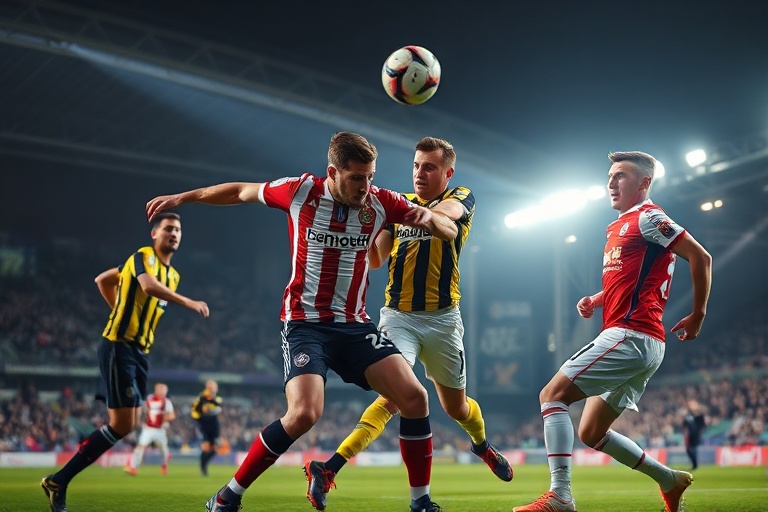
In recent meetings, the tactical duel has often come down to which team can impose its rhythm. Copenhagen seeks to control the game through midfield, while Midtjylland looks to disrupt that rhythm with aggressive pressing and rapid transitions. The outcome frequently hinges on midfield battles—particularly between Copenhagen’s playmaker and Midtjylland’s pressing forwards.
Key Tactical Matchups
- Midfield Control: Copenhagen’s deep-lying playmaker (e.g., Pep Biel or Viktor Claesson) faces off against Midtjylland’s box-to-box midfielder (e.g., Gustav Isaksen or Júnior Brumado), where creativity meets dynamism.
- Wide Threat: Copenhagen’s wingers (e.g., Jordan Larsson) exploit space behind the defensive line, while Midtjylland’s inverted full-backs (e.g., Paulinho) provide overlapping runs.
- Defensive Transitions: Midtjylland’s high press forces Copenhagen into rushed clearances, often leading to counterattacking opportunities for the home side.
- Set Pieces: Both teams are dangerous from dead-ball situations, with Midtjylland particularly effective from corners due to their physical presence in the box.
Broader Implications for Danish Football
The Copenhagen vs Midtjylland rivalry extends beyond individual matches—it shapes the future of Danish football. Copenhagen’s European campaigns, while inconsistent, remain a benchmark for Danish clubs. Their ability to compete against teams like Manchester City and Bayern Munich in the Champions League qualifiers inspires a generation of young players and coaches.
Midtjylland, meanwhile, has redefined the possibilities for smaller clubs in Europe. By leveraging data analytics and a clear footballing identity, the club has not only won titles but also developed players who move to top European leagues. Their success has prompted other Danish clubs—such as Brøndby and AGF—to adopt similar analytical and tactical approaches.
This rivalry also highlights the broader shift in Scandinavian football. Gone are the days when Danish clubs were seen solely as physical, direct teams. Today, Danish football is characterized by technical proficiency, tactical flexibility, and a willingness to innovate. Clubs like Copenhagen and Midtjylland are at the forefront of this transformation, influencing how football is played across Scandinavia.
The Fan Perspective: Passion and Identity
For supporters, these matches are more than tactical battles—they are cultural statements. FC Copenhagen fans, known for their vibrant atmosphere at Parken, embody the club’s urban identity. The fan culture is a blend of hip-hop influences, choreographed displays, and a deep connection to the city’s multicultural fabric.
Midtjylland’s fanbase, though smaller in number, is fiercely loyal and deeply embedded in the club’s regional identity. The Herning faithful create an intense, almost tribal atmosphere at MCH Arena, where the team’s fighting spirit is on full display. This regional pride contrasts with Copenhagen’s cosmopolitan appeal, adding another layer to the rivalry.
The fan experience is also shaped by recent controversies. Copenhagen has faced criticism for commercialization and ticket pricing, while Midtjylland has been praised for maintaining accessibility and fan engagement. These dynamics contribute to the narrative surrounding each match, influencing how supporters perceive their team’s performance.
What the Future Holds
As both clubs continue to evolve, the rivalry will likely intensify. Copenhagen’s focus on developing young talent through their academy could lead to a new generation of stars, while Midtjylland’s commitment to data-driven recruitment ensures they remain competitive. The next chapter may see both clubs competing not just domestically but also in European competitions, further raising the stakes.
For neutral observers, the Copenhagen vs Midtjylland fixture offers a microcosm of modern football: a blend of tradition and innovation, passion and pragmatism. It’s a match where tactics matter as much as heart, where data informs decisions as much as instinct.
Conclusion: More Than Just a Game
The Copenhagen vs Midtjylland rivalry is a testament to the growing sophistication of Danish football. It’s a clash of philosophies, cultures, and ambitions—a microcosm of how football is evolving across Europe. While Copenhagen brings the weight of history and tradition, Midtjylland offers a vision of the future, built on analytics and relentless ambition.
For fans, these matches are moments of pure footballing drama. For coaches, they are lessons in tactical innovation. And for the broader football world, they represent the rising standard of Scandinavian football. As both clubs continue to push boundaries, the Copenhagen vs Midtjylland fixture will remain one of the most compelling narratives in European football.
One thing is certain: when these two teams meet, the result is never just a three points—it’s a statement.
Explore more sports analysis on Dave’s Locker or dive into in-depth tactical coverage.