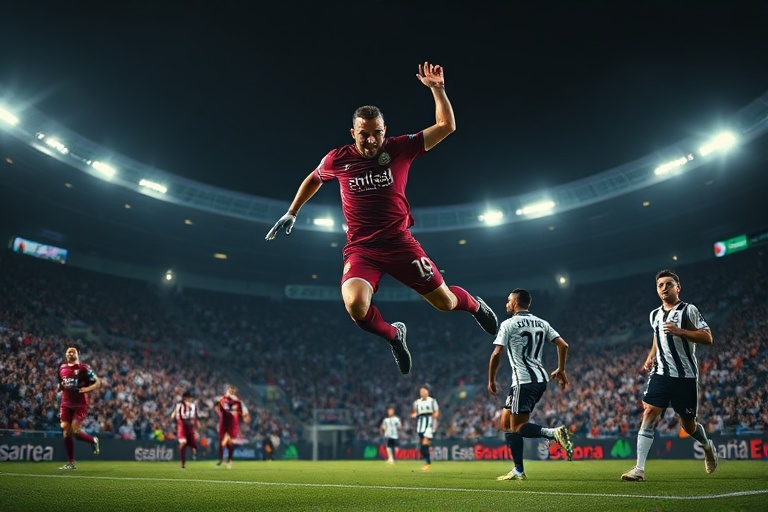
Coritiba vs Santos: Brazil’s Football Legacy Meets Modern Rivalry
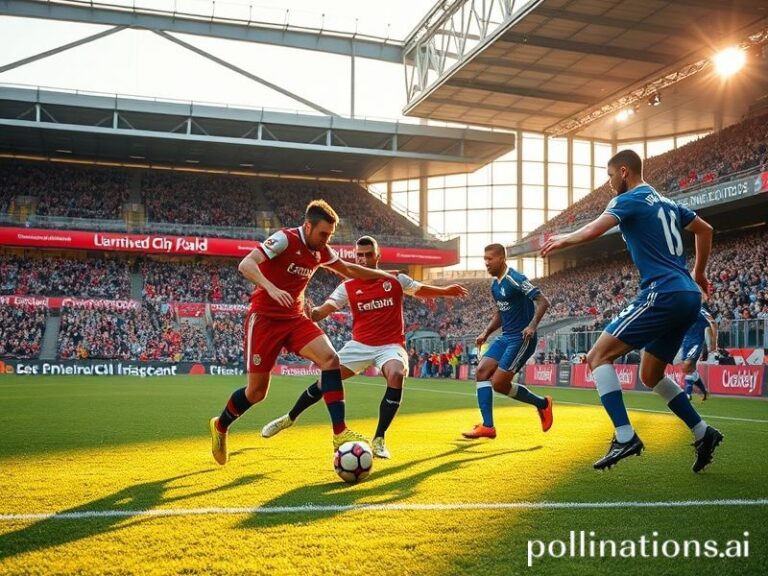
The rivalry between Coritiba Foot Ball Club and Santos Futebol Clube represents more than just a football match. It’s a collision of histories, playing styles, and regional pride that has defined segments of Brazilian football for decades. When these two teams meet, the stakes often feel higher than a typical league fixture, blending local identity with the broader narrative of Brazilian football’s evolution.
The Historical Foundations of Two Clubs
Coritiba, founded in 1909 in Curitiba, Paraná, is one of Brazil’s oldest active clubs. Known as the “Vovô” (Grandfather) of Brazilian football, it played a pivotal role in shaping the sport in southern Brazil. Its early dominance in state championships laid the groundwork for a club that values structure, youth development, and tactical discipline—traits that still define its identity today.
Santos, on the other hand, emerged in 1912 on the coast of São Paulo. It rose to global prominence in the 1960s under the leadership of Pelé, becoming synonymous with attacking flair and technical brilliance. While Coritiba built its legacy in the south, Santos thrived in the football powerhouse of São Paulo, creating a natural contrast between methodical regional growth and coastal creativity.
This historical divide isn’t merely symbolic. It reflects how Brazilian football developed differently across regions—Coritiba as a symbol of resilience in the periphery, Santos as an export of world-class talent from the heart of Brazil’s football culture.
Style, Strategy, and the Evolution of Play
The way these teams approach the game today highlights their contrasting philosophies. Coritiba, under managers like Antônio Lopes and later Jorginho, has often favored a pragmatic 4-4-2 formation, prioritizing compact defending, quick transitions, and set-piece efficiency. This approach mirrors the club’s longstanding emphasis on organization and resilience, particularly when facing stronger opponents.
Santos, meanwhile, has leaned toward a more fluid, possession-based style under coaches such as Cuca and subsequently Alexi Stival (known as “Gaúcho”). The emphasis on technical players in midfield and dynamic wingers reflects a modern Brazilian identity—one that values individual creativity as much as collective structure. Players like Rodrygo and Gabriel Barbosa (Gabigol) are products of this philosophy, showcasing how Santos continues to serve as a launchpad for global stars.
When these styles collide, the match often becomes a tactical chess game. Coritiba’s disciplined lines can frustrate Santos’ attackers, while Santos’ ability to break down low blocks tests the Coxa’s mental resilience. The psychological edge often shifts based on which team imposes its rhythm early in the match.
Key Matches and Memorable Moments
Over the years, Coritiba and Santos have delivered several high-stakes encounters, particularly in the Campeonato Brasileiro Serie A and Copa do Brasil. One of the most talked-about matches occurred in 2020 at the Arena Corinthians, where Santos edged out a narrow 1-0 victory in a tightly contested affair. The match was defined by Santos’ superior possession and Coritiba’s disciplined defensive block—until a late mistake led to the decisive goal.
Another notable clash came in 2017 during the Campeonato Brasileiro, when a dramatic late winner by Santos secured a 2-1 victory, sparking celebrations among the visiting fans in a rare win at Couto Pereira. These matches often carry symbolic weight, as they frequently determine relegation battles or continental qualification spots.
Here are some key moments from recent encounters:
- 2020 (Brasileirão): Santos 1-0 Coritiba – A late header sealed the win after a tense 90 minutes.
- 2017 (Brasileirão): Santos 2-1 Coritiba – A last-minute strike broke a deadlock, sparking jubilant scenes in São Paulo.
- 2015 (Copa do Brasil): Draw 1-1 in the first leg, but Coritiba advanced on penalties after a heroic defensive display.
- 2013 (Brasileirão): Coritiba 3-2 Santos – A high-scoring thriller with four goals in the final 20 minutes.
These matches aren’t just about points—they often influence morale, fan confidence, and even managerial tenures. A win for Coritiba can reaffirm its status as a competitive underdog, while a Santos victory reinforces its reputation as a breeding ground for elite talent.
Broader Implications: What These Matches Mean for Brazilian Football
The Coritiba vs Santos rivalry is a microcosm of broader trends in Brazilian football. It highlights the tension between tradition and innovation, between regional identity and national ambition. Coritiba represents clubs outside the Southeast axis that punch above their weight through structure and resilience. Santos embodies the coastal tradition of producing global stars through technical excellence and youth academies.
The outcome of these matches often reflects wider league dynamics. When Coritiba performs well against top teams like Santos, it signals that smaller clubs can challenge the traditional powers. When Santos prevails, it reaffirms the idea that technical development and attacking football remain central to Brazilian football’s DNA.
Moreover, these fixtures have implications for player development. Young talents from both clubs often rise to the occasion in high-pressure games, gaining experience that can propel them to Europe or into the Brazilian national team. The likes of Nathan (Santos) and Robson Bambu (Coritiba) have used these derbies as stepping stones to bigger stages.
From a financial perspective, strong performances in these matches can boost club revenues through sponsorships, broadcasting deals, and fan engagement. A draw or upset can energize a fanbase, while a heavy defeat might trigger boardroom discussions about managerial changes or squad investments.
Ultimately, Coritiba vs Santos is more than a football match—it’s a cultural exchange. It’s a reminder that Brazilian football is not monolithic, but a tapestry of regional identities, each contributing to the nation’s rich footballing heritage.
Conclusion: A Rivalry That Transcends the Scoreboard
When Coritiba and Santos meet, the result matters, but the story matters more. It’s a collision of philosophies, a test of character, and a celebration of what makes Brazilian football unique. Whether in the humid air of Vila Belmiro or the crisp winter evenings of Curitiba, these matches offer drama, emotion, and a glimpse into the soul of two proud institutions.
For fans, the derby is a chance to wear their colors with pride. For players, it’s an opportunity to etch their names into club history. And for the broader football world, it’s a reminder that the beautiful game is as much about identity as it is about skill.
As both clubs continue to evolve, one thing remains constant: when Coritiba and Santos step onto the pitch, they’re not just playing for points—they’re playing for legacy.
For more analysis on Brazilian football and club rivalries, visit Dave’s Locker Sports or explore deeper tactical breakdowns at Dave’s Locker Analysis.