Dubai International Airport: The Global Gateway Shaping Modern Travel
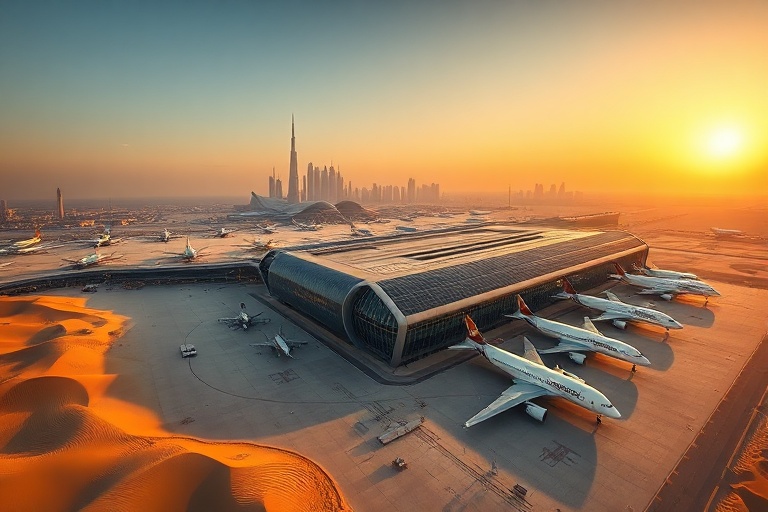
Few airports in the world can claim the influence of Dubai International Airport (DXB). Serving as the primary hub for Emirates Airline, DXB has grown from a regional transit point into one of the most visited airports on the planet. Its annual passenger traffic consistently ranks among the top globally, reflecting Dubai’s rise as a crossroads between East and West. Beyond sheer numbers, DXB represents a model of aviation innovation, luxury, and operational efficiency that has redefined what travelers expect from international air travel.
Located just four kilometers from downtown Dubai, the airport spans over 7,200 acres and features three operational terminals. Terminal 3, the largest, is a self-contained city within an airport, designed exclusively for Emirates and handling over 60% of all passenger traffic. The facility’s expansion over the past two decades mirrors Dubai’s own transformation—from a desert trading post to a cosmopolitan metropolis that attracts millions of visitors each year. With over 100 airlines connecting more than 260 destinations across every continent except Antarctica, DXB isn’t just a transit hub; it’s a gateway to global mobility.
A Hub of Connectivity and Transit Efficiency
Dubai International Airport owes much of its success to its strategic location. Positioned within an eight-hour flight radius of two-thirds of the world’s population, DXB offers unmatched connectivity between Europe, Asia, Africa, and Australia. This geographical advantage has allowed airlines like Emirates to build extensive route networks that bypass traditional hubs such as London, Frankfurt, or Singapore. For passengers, this means fewer layovers and more direct routing options, especially on long-haul journeys.
The airport’s transit experience is equally noteworthy. With over 200,000 passengers passing through daily, DXB maintains an average connection time of just 90 minutes—one of the fastest in the industry. Its automated immigration system, powered by smart gates and facial recognition technology, processes travelers in under 20 seconds. The airport’s commitment to seamless transit is evident in its investment in smart infrastructure, including the recently launched DXB Smart Tunnel, which uses AI-powered sensors to detect and assist travelers in real time.
For frequent flyers and business travelers, DXB’s efficiency is a key reason to choose it as a layover point. The airport’s lounges, such as the Al Majlis Lounge in Terminal 3, offer first-class amenities including showers, prayer rooms, and fine dining—all accessible via paid entry or airline loyalty programs. This blend of speed and comfort has made DXB a preferred choice for travelers seeking a stress-free transit experience.
Luxury, Retail, and Dining: More Than Just an Airport
Dubai International Airport transcends the conventional definition of an airport. It functions as a luxury destination in its own right, offering a curated selection of high-end retail and dining experiences. Terminal 3 alone houses over 180 shops, including duty-free outlets that rank among the world’s busiest. From Swiss watches and designer handbags to limited-edition fragrances and gold jewelry, the airport’s retail offerings generate billions in annual revenue. In 2023, DXB’s duty-free sales exceeded $2.5 billion, underscoring its status as a global shopping destination.
The culinary landscape at DXB is equally impressive. The airport boasts over 200 food and beverage outlets, ranging from Michelin-starred restaurants to quick-service cafes. Notable dining experiences include The Irish Village, a long-standing favorite among transit passengers, and the recently opened Ravi Express, serving legendary Pakistani street food. For those seeking a premium experience, the airport’s rooftop bar at Terminal 1 offers panoramic views of the runway and the Dubai skyline.
Beyond commerce, DXB also serves as a cultural showcase. The airport features art installations, live performances, and exhibitions that highlight Emirati heritage and contemporary art. The “DXB Culture” program, launched in 2017, has brought works by international artists such as Ai Weiwei and Yayoi Kusama to the terminal, transforming the travel experience into an artistic journey. These initiatives reflect Dubai’s broader ambition to blend commerce with culture, positioning the airport as a symbol of the city’s cosmopolitan identity.
Sustainability and Future Expansion: Balancing Growth with Responsibility
As Dubai prepares to host Expo City Dubai in 2024 and beyond, the airport faces increasing pressure to balance growth with sustainability. DXB has made strides in reducing its environmental footprint, including a 20% reduction in carbon emissions per passenger since 2010. The airport’s “Green Building” initiatives, such as solar-powered facilities and water recycling systems, have earned it LEED Gold certification for Terminal 3.
Looking ahead, Dubai is investing heavily in the expansion of Al Maktoum International Airport (DWC), located 40 kilometers southwest of the city. Once fully operational, DWC is expected to handle up to 240 million passengers annually, significantly reducing pressure on DXB. The phased transfer of operations will allow DXB to focus on premium services and high-value routes while DWC becomes the primary hub for low-cost carriers and cargo operations.
In the interim, DXB continues to innovate. Plans for a new Terminal A, capable of handling 70 million passengers annually, are underway, with completion targeted for the late 2020s. The terminal will incorporate advanced sustainability features, including energy-efficient lighting and smart climate control systems. These developments underscore Dubai’s commitment to maintaining its leadership in aviation while addressing the challenges of climate change and overcapacity.
A Reflection of Dubai’s Global Ambition
Dubai International Airport is more than a transit point; it is a symbol of Dubai’s relentless ambition and adaptability. Its success is rooted in a vision that prioritizes connectivity, luxury, and efficiency, while also embracing sustainability and cultural expression. For travelers, DXB offers a glimpse into the future of air travel—one where airports are not just functional spaces but destinations in their own right.
The airport’s ability to adapt to global shifts, such as the rise of low-cost travel and the demand for sustainable practices, ensures its continued relevance. As Dubai positions itself as a global leader in tourism, business, and innovation, DXB will remain at the heart of this transformation. Whether you’re a first-time visitor or a frequent flyer, the airport leaves an indelible impression—one that extends far beyond the runway.
For those interested in exploring Dubai’s broader travel and tourism landscape, visit our Travel section for more insights on destinations, cultural experiences, and travel tips.