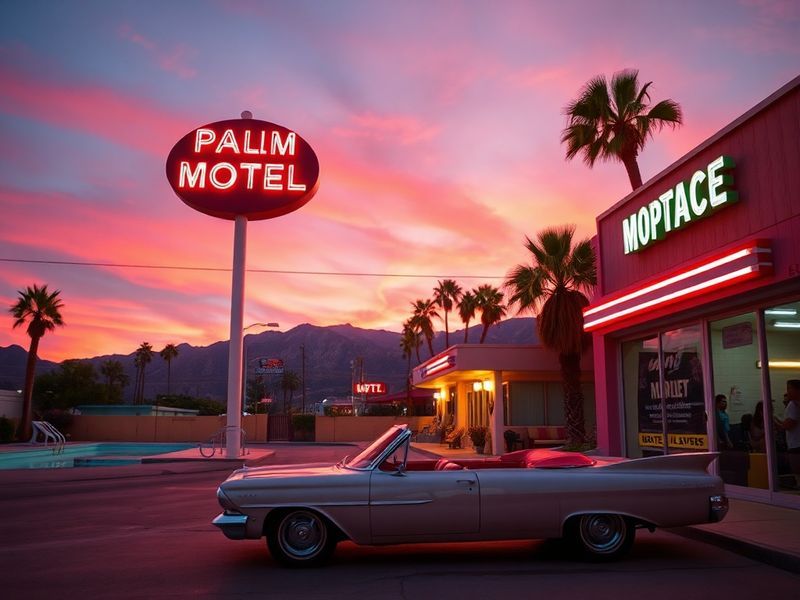
Nestled between the San Jacinto Mountains and the Santa Rosa Mountains, Palm Springs has transformed from a desert outpost into a cultural and architectural landmark. Its reputation as a playground for Hollywood stars in the mid-20th century has given way to a modern destination where retro aesthetics meet contemporary luxury.
The Rise of a Desert Retreat
Palm Springs’ story begins long before the arrival of Hollywood royalty. The Cahuilla people inhabited the region for centuries, relying on natural springs for water—a resource that would later define the city’s identity. By the late 19th century, the area had become a health destination, with visitors drawn to its dry climate and mineral springs. The arrival of the railroad in 1876 accelerated its growth, turning it into a seasonal escape for those seeking respite from urban life.
The turning point came in the 1920s and 1930s, when Palm Springs became a favored retreat for silent film stars like Charlie Chaplin and Rudolph Valentino. Its proximity to Los Angeles made it an ideal weekend getaway, but it was the post-World War II era that cemented its legacy. Architects like Richard Neutra, Albert Frey, and John Lautner designed homes that blended indoor and outdoor living, creating the iconic midcentury modern aesthetic that defines the city today.
Architectural Icons and Preservation Efforts
Palm Springs is home to the largest concentration of midcentury modern architecture in the United States. The city’s downtown alone boasts over 900 historic homes and buildings, many of which have been meticulously restored. Key landmarks include:
- Kaufmann Desert House (1946) – Designed by Richard Neutra for department store magnate Edgar J. Kaufmann, this home is a prime example of modernist design, featuring floor-to-ceiling windows and seamless indoor-outdoor integration.
- Frey House II (1964) – A personal residence designed by Albert Frey, showcasing his signature use of steel, glass, and concrete.
- Palm Springs City Hall (1957) – A government building that embodies the city’s commitment to modernist principles, with its sleek lines and geometric forms.
Preservation efforts have been crucial in maintaining Palm Springs’ architectural heritage. Organizations like the Palm Springs Preservation Foundation work to protect historic structures from demolition or insensitive renovations. These efforts ensure that the city’s midcentury modern legacy continues to inspire architects and designers worldwide.
Beyond the Aesthetic: A Cultural and Economic Hub
Palm Springs is more than just a repository of architectural history—it’s a thriving cultural and economic hub. The city hosts a variety of events that attract visitors year-round, including the Palm Springs International Film Festival, which celebrates independent cinema, and Modernism Week, a celebration of midcentury modern design, art, and culture.
The city’s economy has diversified beyond tourism. Palm Springs is now a magnet for tech workers who commute to Los Angeles or work remotely, drawn by the region’s affordability compared to coastal cities. The healthcare sector has also grown, with hospitals and medical facilities expanding to meet the needs of both residents and visitors.
Yet, this growth has not come without challenges. Rising property values have priced out some long-time residents, raising concerns about gentrification. The city is grappling with balancing preservation with development, ensuring that its unique character isn’t lost in the pursuit of progress.
Why Palm Springs Matters Today
Palm Springs’ enduring appeal lies in its ability to evolve while staying true to its roots. It’s a place where the past and present coexist, where a 1950s ranch house can sit alongside a sleek, contemporary boutique hotel. Its midcentury modern aesthetic, once considered a relic of a bygone era, has experienced a revival, influencing everything from fashion to furniture design.
The city’s influence extends beyond its borders. Architects and designers from around the world flock to Palm Springs to study its iconic structures, and its events draw thousands of enthusiasts eager to immerse themselves in its culture. In an era where sustainability and preservation are increasingly important, Palm Springs offers a model for how cities can honor their history while embracing the future.
For those seeking inspiration, Palm Springs is a reminder that great design is timeless. Whether you’re drawn by the allure of its architecture, the vibrancy of its cultural scene, or the tranquility of its desert landscapes, the city offers something for everyone.
As Palm Springs continues to evolve, one thing is certain: its legacy as a midcentury modern jewel of the California desert is secure. The challenge now is to ensure that its future is as bright as its past.