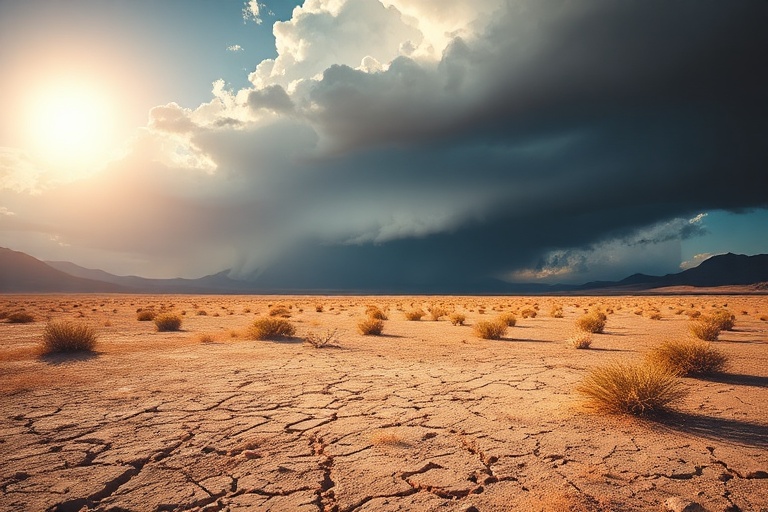
El Niño’s Global Impact: Weather Patterns and Human Adaptation
Understanding the Science Behind El Niño
El Niño represents one of the most powerful natural climate phenomena on Earth, a periodic warming of surface waters in the central and eastern Pacific Ocean. This disruption in normal ocean patterns triggers cascading effects across global weather systems. Scientists measure its intensity using sea surface temperature anomalies, with strong events typically exceeding 1.5°C above average.
The phenomenon occurs every two to seven years, with the most recent significant event developing in 2023. Unlike its counterpart La Niña, which brings cooler Pacific waters, El Niño redistributes heat energy across the planet. This redistribution occurs through changes in atmospheric circulation patterns known as the Walker Circulation, where trade winds that normally blow westward weaken or reverse.
The term itself originates from Peruvian fishermen in the 1600s, who noticed unusually warm waters appearing around Christmas. They named it “El Niño” (the Christ Child) due to its timing. Modern meteorology has since revealed this event’s far-reaching consequences beyond the Pacific basin.
Global Weather Patterns Transformed
El Niño’s influence extends to every continent, though its effects vary dramatically by region. The most pronounced changes occur in precipitation patterns, as the warmer Pacific waters alter jet streams and monsoon systems.
The Americas: From Floods to Droughts
In South America, the impacts are immediate and severe. Coastal regions of Peru and Ecuador often face devastating flooding as the southern jet stream shifts northward, bringing moisture from the Amazon. Meanwhile, Brazil’s agricultural heartland experiences dry conditions that threaten coffee and soybean crops. The 2015-2016 El Niño caused an estimated $3.6 billion in agricultural losses across the continent.
North America witnesses a different pattern. The southern United States typically sees increased rainfall and storm activity, while the northern plains experience warmer, drier winters. This contrast played a crucial role in the devastating wildfires of 2016 in Alberta, Canada, where dry conditions allowed fires to spread rapidly.
Asia-Pacific: Monsoons and Marine Life
Across the Pacific, countries like Indonesia and Australia confront severe drought conditions. The weakened monsoon rains in 2015 led to massive crop failures and contributed to the deadly haze crisis from peatland fires in Sumatra. Similarly, India’s monsoon rainfall often falls below normal during El Niño years, affecting millions of farmers.
Yet not all effects are negative. The warmer waters can boost fish populations off Peru’s coast as tropical species migrate southward. However, this temporary abundance disrupts local ecosystems adapted to colder, nutrient-rich currents. The anchovy fishing industry, vital to Peru’s economy, often collapses during strong El Niño events.
Cultural and Economic Resilience
Human societies have developed diverse strategies to cope with El Niño’s unpredictability. Indigenous communities in the Andes traditionally store water in reservoirs called “qochas” to prepare for drought periods. Modern agricultural practices incorporate drought-resistant crop varieties and precision irrigation systems to mitigate losses.
In coastal Peru, communities have adapted fishing practices to account for shifting marine populations. Fishermen now target different species during El Niño years, while government agencies implement early warning systems to alert communities about impending floods or droughts.
The economic toll of El Niño events has driven technological innovation in climate prediction. Advanced computer models now provide up to nine months of advance warning, allowing governments and businesses to prepare. The World Bank estimates that every dollar invested in early warning systems saves $4 in disaster response costs.
Cultural Expressions of Climate
El Niño’s influence extends beyond practical adaptations into cultural expressions. In Pacific island communities, oral histories document past events, with some traditions linking anomalous weather patterns to ancestral warnings. The Māori people of New Zealand view El Niño as part of a larger cycle of natural balance, incorporating its patterns into agricultural calendars.
Artistic responses to El Niño have emerged in various forms. Peruvian musicians created protest songs during the 1997-1998 event, criticizing government inaction while celebrating community resilience. Contemporary climate art installations, like those projected onto melting glaciers in the Andes, use El Niño’s visual impact to raise awareness about global warming.
Preparing for a Changing Climate
Climate change is amplifying El Niño’s intensity and unpredictability. Research indicates that strong El Niño events may become twice as frequent by 2050 due to ocean warming. This presents challenges for adaptation strategies developed during less volatile climate periods.
Urban planning in vulnerable regions now incorporates El Niño projections. Coastal cities like Lima, Peru, have invested in flood control infrastructure while developing desalination plants to address water scarcity. Agricultural regions implement crop diversification to reduce dependence on monsoon rains.
The global insurance industry has also adapted, developing specialized El Niño risk models that help communities secure funding for disaster preparedness. These models consider not just weather patterns but also socioeconomic factors that determine vulnerability.
Lessons from Past Events
Analysis of historical El Niño events reveals patterns that inform current strategies. The 1982-1983 event, then the strongest on record, caused $8 billion in global damages. Its unprecedented nature spurred the development of modern climate monitoring systems. Similarly, the 1997-1998 event, which caused $35 billion in damages, demonstrated the vulnerability of developing nations with limited infrastructure.
These case studies highlight the importance of international cooperation in climate adaptation. Organizations like the Intergovernmental Panel on Climate Change provide crucial data that informs policy decisions worldwide. The 2015 Paris Agreement specifically mentions climate variability patterns like El Niño as key considerations for national adaptation plans.
As climate change intensifies, the lessons learned from El Niño events become increasingly valuable. Communities that once viewed these phenomena as distant threats now recognize their immediate impact on food security, economic stability, and cultural heritage. The challenge ahead lies in balancing immediate adaptation needs with long-term climate resilience strategies.
El Niño serves as a powerful reminder of nature’s interconnected systems. Its periodic disruption of global weather patterns offers both a warning and an opportunity to rethink humanity’s relationship with the environment. By studying these events, scientists and communities alike gain insights that may prove crucial for navigating an uncertain climate future.
For more insights into climate patterns and their global impacts, explore our Science and Culture sections.