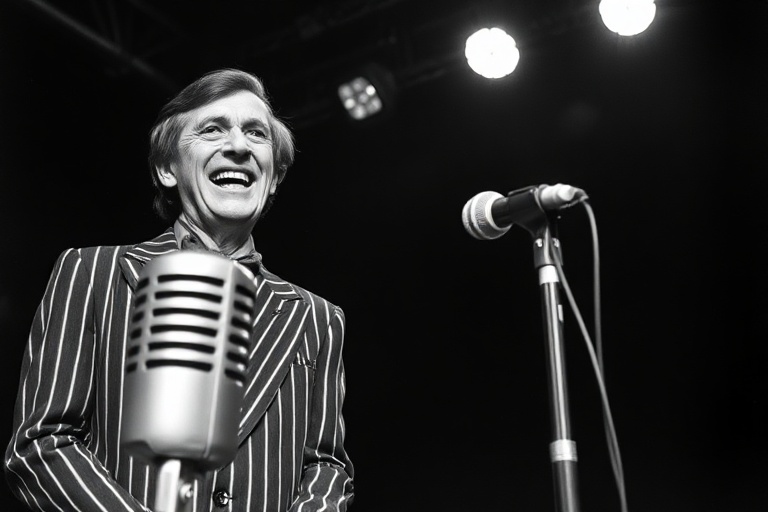
Eric Morecambe: How Britain’s Comedic Legend Still Inspires Decades Later
Eric Morecambe, born John Eric Bartholomew in 1926, remains one of Britain’s most cherished comedic figures. His razor-sharp wit, physical comedy, and ability to connect with audiences made him a national treasure. Even decades after his death in 1984, Morecambe’s influence stretches far beyond the borders of the UK, cementing his status as a cultural icon whose humor transcended generations.
Morecambe’s career began in the rough-and-tumble world of British variety and music hall, a tradition that shaped his comedic sensibilities. His partnership with Ernie Wise, first as a solo act and later as the legendary double act Morecambe and Wise, became the cornerstone of his fame. Together, they perfected a brand of comedy that blended slapstick, wordplay, and impeccable timing—elements that would define their television success in the 1960s and 70s.
From Music Hall to Television Stardom
Morecambe’s early years were marked by hardship. Born into a working-class family in Morecambe, Lancashire, he left school at 14 to work in a local factory. His entry into show business came through his father, who was a keen amateur musician. The young Morecambe honed his skills in local theaters, performing in variety shows that were a staple of British entertainment during the early 20th century.
His big break arrived when he met Ernie Wise in 1941. The duo’s chemistry was immediate, and their act evolved from simple sketches to a polished, sophisticated style that appealed to a broad audience. By the 1950s, they were regulars on radio programs like The Show Parade, but it was television that would catapult them to superstardom. Their BBC series The Morecambe & Wise Show, which debuted in 1968, became a cultural touchstone, blending comedy, music, and celebrity guest appearances into a format that felt both familiar and fresh.
Their 1970s Christmas specials drew millions of viewers, with Morecambe’s exaggerated reactions and Ernie’s deadpan delivery creating a dynamic that felt uniquely British. The humor was clean but clever, avoiding the crude edges that defined much of contemporary comedy. This accessibility helped their show cross generational lines, making it a family tradition for many households.
The Global Appeal of Morecambe’s Humor
While Morecambe’s fame was rooted in Britain, his comedy resonated internationally. His ability to craft humor that relied on universal themes—such as the absurdity of everyday life and the struggles of the everyman—made his work relatable across cultures. In the 1970s, their shows were broadcast in countries like Australia, Canada, and even the United States, where public television stations aired their specials to appreciative audiences.
Morecambe’s comedy was deeply rooted in the British class system, yet it avoided the trap of being exclusionary. Instead, his humor often poked fun at authority figures, whether they were pompous officials or self-important celebrities. This subversive streak gave his comedy a rebellious edge, even as it remained warm and inclusive. In an era when television comedy was often formulaic, Morecambe and Wise stood out for their improvisational flair and spontaneity.
Critics have often noted that Morecambe’s humor transcended language barriers. His physical comedy, particularly his exaggerated facial expressions and body language, required little translation. This made him a favorite among international audiences who may not have understood every word but could appreciate the sheer joy of his performances.
Cultural Impact and Influence
Morecambe’s influence can be seen in the work of contemporary comedians like Rowan Atkinson, who has cited Morecambe as a major inspiration. Atkinson’s portrayal of Mr. Bean, with its mix of physical comedy and silent storytelling, echoes Morecambe’s approach to humor. Even in the world of entertainment, where trends come and go, Morecambe’s legacy endures because it is rooted in timeless principles: relatability, cleverness, and heart.
Beyond comedy, Morecambe became a symbol of British resilience and working-class pride. His ability to rise from humble beginnings to become a national icon spoke to the aspirations of millions. In interviews, he often reflected on his working-class roots, and his humor carried a warmth that endeared him to audiences from all walks of life.
Morecambe’s Lasting Legacy
Eric Morecambe passed away suddenly in 1984 at the age of 58, leaving behind a legacy that continues to inspire. His death was met with an outpouring of grief from fans and fellow comedians alike, a testament to the impact he had on British culture. In the years since, his work has been preserved through reruns, DVD releases, and tributes, ensuring that new generations can discover his genius.
One of the most enduring aspects of Morecambe’s legacy is his ability to remain relevant. While many comedians from his era have faded into obscurity, Morecambe’s appeal has only grown. This is partly due to the timeless nature of his humor, but it’s also a result of the way his work has been curated and shared. Classic comedy shows are now more accessible than ever, thanks to streaming platforms and digital archives, allowing fans to revisit Morecambe’s finest moments at any time.
Morecambe’s influence extends beyond comedy. He embodied a certain British ideal—a blend of wit, humility, and an unshakable sense of self. In an era where celebrity culture often prioritizes excess and scandal, Morecambe’s life and career serve as a reminder of the power of authenticity. His humor was never cruel or divisive; it was inclusive and joyful, a quality that feels increasingly rare in today’s fractured cultural landscape.
The Future of Morecambe’s Legacy
As we look to the future, Morecambe’s legacy shows no signs of fading. New generations of comedians continue to cite him as an influence, and his work remains a staple of British television history. Museums and exhibitions, such as those at the Eric Morecambe Theatre in Morecambe, ensure that his memory is preserved for future visitors. These spaces not only celebrate his life but also invite audiences to engage with the history of British comedy in a tangible way.
The annual Eric Morecambe Memorial Concert in his hometown of Morecambe is another testament to his enduring appeal. The event brings together comedians, musicians, and fans to honor his contributions to the arts. It’s a celebration of Morecambe’s spirit—one that values community, laughter, and the simple joy of a well-told joke.
In an age where comedy is often measured by its shock value or divisiveness, Morecambe’s work stands as a reminder of the power of kindness and cleverness. His humor was a bridge between generations, a unifier in a time of cultural fragmentation. As long as there are audiences who appreciate wit, warmth, and the art of making people laugh, Eric Morecambe’s legacy will continue to thrive.
For those looking to explore Morecambe’s work, his television specials and stage performances are widely available. His autobiography, Morecambe: The Autobiography, offers an intimate look at his life and career, while documentaries like Eric & Ernie provide context for his enduring partnership with Ernie Wise. Whether you’re a longtime fan or a newcomer, Morecambe’s comedy remains a treasure worth discovering.