On a crisp May evening in Malmö, Eurovision Semi-Final 2 delivered a night of high stakes, unexpected twists, and performances that lingered long after the last note faded. With 16 countries battling for a spot in the grand final, this was more than just a showcase—it was a proving ground where established stars and rising talents alike fought to secure their place among Europe’s elite.
The Stage in Malmö: A Canvas for Innovation
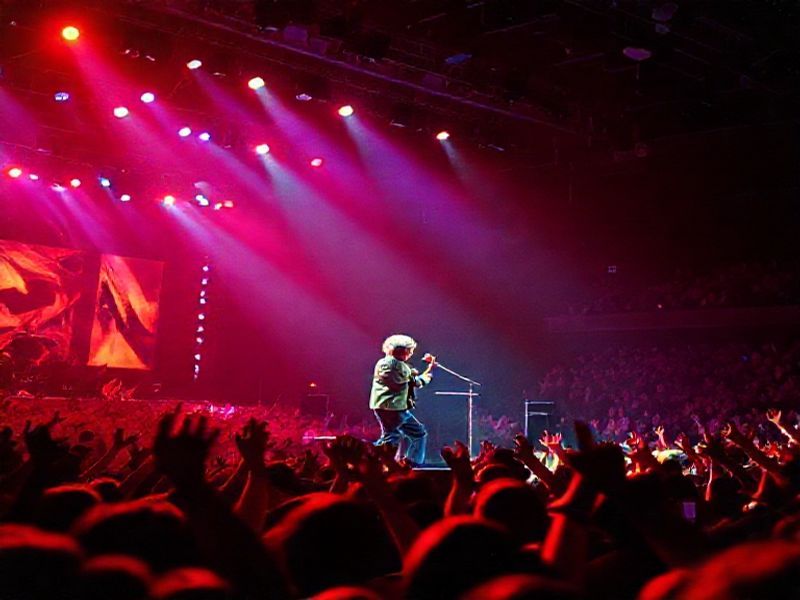
Eurovision’s return to Sweden brought with it a stage that was as much a character in the show as the performers themselves. Designed by Danish scenographer Morten Nørgaard, the set featured a dynamic LED floor that transformed throughout the night, reacting to the energy of each performance. The lighting team, led by Finnish designer Jesper Kusk, pushed boundaries with a palette that shifted from neon blues to fiery oranges, creating an immersive experience for both the live audience and the millions watching at home.
This year’s stage also introduced a novel feature: a floating platform that extended into the audience, allowing artists like Norway’s Gåte to perform surrounded by fans. The innovation wasn’t just visual—it was a deliberate effort to blur the line between performer and spectator, a theme that resonated with the night’s most memorable acts.
The Contenders: Who Stood Out
The semi-final lineup was stacked with a mix of familiar names and fresh faces. Among the standout performances:
- Ireland’s Bambie Thug – With their genre-blending, genre-defying act, Bambie Thug delivered a performance that felt like a love letter to queer expression and unapologetic creativity. Their song Doomsday Blue was a dark, atmospheric anthem that commanded attention, and their stage presence—complete with a dramatic white veil—left a lasting impression.
- Switzerland’s Nemo – The non-binary artist brought a raw, emotional intensity to The Code, a song that explored themes of identity and self-discovery. Nemo’s performance was a masterclass in vulnerability, with a stripped-back aesthetic that made their voice the undeniable focal point.
- Serbia’s Teya Dora – Known for her viral hit Džanum, Teya Dora brought a high-energy, Balkan-pop fusion to Ramonda. Her choreography was sharp, her vocals powerful, and her stage presence magnetic—a combination that made her a clear fan favorite.
- Cyprus’ Silia Kapsis – At just 17 years old, Kapsis became the youngest artist to represent Cyprus at Eurovision. Her song Liar was a sleek, synth-pop banger, and her performance, complete with a futuristic cyberpunk aesthetic, showcased a maturity beyond her years.
The Politics of Eurovision: More Than Just a Song Contest
Eurovision has always been a platform where politics and culture collide, and Semi-Final 2 was no exception. The most talked-about moment came from Georgia’s Noets, whose performance of Firefighter was a deliberate commentary on the country’s ongoing struggles with Russian aggression. The act featured a firefighter descending from the rafters to extinguish a symbolic flame, a visual metaphor that resonated deeply with audiences.
But politics wasn’t confined to the stage. Behind the scenes, delegations from several countries engaged in last-minute negotiations over voting blocs, a practice that has drawn criticism in recent years. According to insiders, Sweden, Finland, and Norway’s Nordic neighbors reportedly coordinated their jury votes to maximize their collective points—a strategy that, while not illegal, underscored the increasing complexity of Eurovision’s voting system.
The Voting System: A Source of Debate
The introduction of a 50/50 split between jury and public votes has been both praised and scrutinized. In Semi-Final 2, the system led to some surprising results:
- Romania’s stubbornly low scores – Despite a strong performance from Nina Cătălina, Romania’s jury votes were inexplicably low, leaving them in a precarious position heading into the final.
- Estonia’s near-miss – 5miinust & Puuluup delivered a folk-infused, experimental performance that captivated audiences, but their jury scores were just shy of securing a top spot.
- Latvia’s unexpected surge – Dons’ retro-inspired Hollow received a boost from both juries and the public, securing Latvia’s spot in the final against the odds.
These discrepancies have reignited debates about the fairness of the voting system, with some fans arguing that jury votes are becoming increasingly unpredictable.
The Aftermath: Who Made the Cut
The results of Semi-Final 2 were a mix of triumph and heartbreak. The following countries advanced to the grand final:
- Austria
- Estonia
- Georgia
- Ireland
- Italy
- Latvia
- Lithuania
- Malta
- Moldova
- Norway
- Portugal
- Romania
- San Marino
- Serbia
- Slovenia
- Switzerland
The most notable omissions included Cyprus, which narrowly missed the cut, and Belgium, whose performance from Mustii failed to resonate with enough juries despite a strong public following.
The Fan Reactions: A Night of Viral Moments
Social media erupted in the aftermath of the semi-final, with fans dissecting every performance. The hashtag #ESC2024 trended worldwide, with Bambie Thug and Nemo emerging as breakout stars. Memes and fan edits spread rapidly, particularly around Switzerland’s The Code, which became a TikTok sensation overnight.
Meanwhile, debates raged in Eurovision forums about the “snub” of certain countries, with some fans accusing juries of favoritism. Others defended the results, arguing that the public vote had saved several acts from elimination, proving the system’s merit.
What’s Next: The Road to the Grand Final
With the semi-finals complete, the focus now shifts to the grand final on May 11. The 26 qualifiers represent a diverse mix of genres, from the operatic drama of Italy’s Angelina Mango to the upbeat pop of Sweden’s Marcus & Martinus. The betting odds have shifted dramatically post-semi-finals, with Ireland, Switzerland, and Serbia emerging as frontrunners.
But Eurovision has always been unpredictable, and the grand final is where the magic—and sometimes the madness—truly happens. Will the juries reward technical precision, or will the public vote favor spectacle? Will a dark horse emerge to steal the show? One thing is certain: after Semi-Final 2, the stage is set for a final that promises to be anything but ordinary.
For fans, the wait is nearly over. For the artists, the real challenge is just beginning. And for Eurovision as a whole, this year’s semi-finals have already cemented their place in the contest’s storied history.
Eurovision 2024 continues with the Grand Final on May 11 in Malmö. Follow Dave’s Locker for live updates, analysis, and behind-the-scenes coverage.