Why Bournemouth’s Weather Draws Visitors Year-Round
Bournemouth may appear to be a modest coastal town on England’s south coast, yet its weather patterns have quietly shaped its reputation as a resilient destination. Unlike the dramatic cliffs of Dorset’s Jurassic Coast, Bournemouth’s appeal lies in its accessible climate—one that balances seasonal variety with surprising consistency. The town experiences a temperate maritime climate, influenced by the Gulf Stream, which softens extremes and creates a microclimate distinct from inland counties. This meteorological balance has made it a favored escape for Londoners seeking respite within a two-hour train ride.
What truly sets Bournemouth apart is not its sunniest days, but its ability to adapt. While neighboring Brighton thrives on its bohemian vibe, and Weymouth leans into family tourism, Bournemouth leverages its weather as a strategic asset. The town’s early adoption of seafront promenades and Victorian-era pleasure piers was, in part, a response to predictable seasonal patterns. Today, this legacy endures—weather data from the Met Office shows Bournemouth averages over 1,700 hours of sunshine annually, placing it among the UK’s sunniest coastal towns. Yet, it’s the town’s resilience through unpredictable showers and brisk winter winds that has fostered a local culture of adaptability.
Seasonal Shifts: From Golden Sands to Crisp Breezes
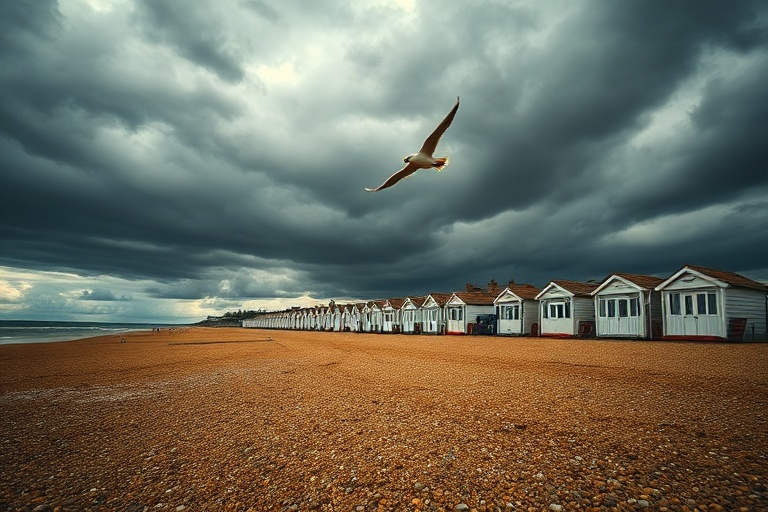
Bournemouth’s weather calendar unfolds in four distinct acts, each drawing a different crowd. Summer arrives with confidence—temperatures hovering between 18°C and 23°C, peaking during July and August. The seafront, stretching for three miles, becomes a living postcard: deck chairs line the promenade, beach huts glow in pastel hues, and the scent of ice cream mingles with salt air. Families flock here not just for the sun, but for the reliability of it. Data from the UK Met Office reveals that Bournemouth averages 6.5 hours of sunshine per day in July, making it a prime destination for summer getaways.
As autumn takes hold, the pace slows. September often delivers a second summer, with warm sea temperatures and quieter beaches—ideal for surfers and photographers. Yet by October, the first gales arrive. Winds whip off the Channel, and rainfall increases by nearly 50% compared to summer. This shift doesn’t deter everyone. Locals and retirees embrace the seasonal rhythm, trading deck chairs for waterproof jackets and migrating to indoor attractions like the Russell-Cotes Art Gallery or the Bournemouth International Centre.
Winter in Bournemouth is a study in contrast. While inland towns shiver through frost, the coastal town enjoys milder temperatures—rarely dipping below 2°C. Rain and sleet dominate, but sunshine breaks punctuate the grey. This “soft winter” has quietly turned Bournemouth into a haven for digital nomads and remote workers seeking mild weather without snow or ice. The town’s winter population swells with short-term visitors, drawn by lower prices and the promise of coastal walks unburdened by crowds.
Surf Culture and the Role of Wind in Bournemouth’s Identity
Bournemouth may not be Cornwall or Devon, but it has carved out a niche in the UK surf scene. The town’s surf culture is less about towering waves and more about accessibility—perfect for beginners and improvers. The surf season spans from September to April, with the best conditions fueled by Atlantic swells and local winds. While the waves here rarely exceed two meters, the quality of surf schools and the sheltered bay make it ideal for learning. Organizations like Surf Bournemouth report a 30% increase in beginner lessons during the autumn months, when the sea remains warm but the crowds thin.
The wind plays a crucial role in shaping daily surf conditions. Offshore winds—blowing from land to sea—create clean, rideable waves. Onshore winds, however, churn the water and flatten conditions. Locals rely on the Magic Seaweed forecast, which combines wind patterns, swell data, and tide times to predict surf quality. This blend of science and local knowledge has turned surfing into a year-round activity, with winter sessions offering a raw, unfiltered connection to the sea.
Surf culture in Bournemouth also reflects broader trends in wellness and outdoor recreation. The rise of “surf therapy” has seen local initiatives partner with mental health organizations, using the ocean’s rhythmic motion to support recovery. This fusion of sport, health, and community underscores how weather shapes not just tourism, but social fabric.
The Global Lens: How Bournemouth Compares to Other Coastal Destinations
To understand Bournemouth’s weather is to place it within a global context. Unlike Mediterranean destinations like Nice or Barcelona, where summer droughts and scorching heat dominate, Bournemouth offers a temperate alternative. Its maritime climate aligns more closely with San Sebastián in Spain or San Diego in California—places where the sea tempers extremes and invites prolonged outdoor activity. Yet unlike those cities, Bournemouth lacks the intense summer tourism saturation that often leads to overcrowding and environmental strain.
When compared to other UK coastal towns, Bournemouth stands out for its balance. While Brighton benefits from a drier climate due to the South Downs rain shadow, Bournemouth’s proximity to the Purbeck Hills means more variable showers. Meanwhile, Cornwall’s Atlantic coast brings stronger winds and colder waters, limiting seasonal accessibility. Bournemouth’s microclimate allows it to serve as a “gateway” destination—close enough to London for weekend trips, yet offering a distinctly coastal experience without extreme weather risks.
Internationally, the town’s weather narrative resonates with growing demand for “second-tier” coastal destinations—places that offer charm without the crowds. In an era where overtourism plagues cities like Barcelona and Venice, Bournemouth’s moderate climate and manageable infrastructure offer a sustainable model. The town has even begun marketing itself as a “climate refuge” for those seeking mild winters—a trend echoed in destinations like Cascais in Portugal or San Sebastián in Spain.
The Business of Weather: How Climate Shapes the Local Economy
Bournemouth’s economy is inextricably linked to its weather. Tourism contributes over £500 million annually, with accommodation, food, and leisure sectors all dependent on seasonal patterns. The town’s conference and events industry thrives in shoulder seasons—April to June and September to October—when mild temperatures and lower prices attract business travelers. Venues like the Bournemouth International Centre host over 100 events yearly, from tech summits to wellness retreats, all leveraging the town’s stable climate.
Agriculture also benefits from Bournemouth’s maritime influence. The surrounding Dorset countryside, though modest in size, produces premium crops like hemp and lavender, which thrive in the mild, moist conditions. Local breweries and distilleries use coastal botanicals, creating a terroir rooted in the region’s climate. Even the film industry has taken notice—Bournemouth’s varied lighting conditions and coastal backdrops have made it a filming location for period dramas and contemporary indie films alike.
Yet, climate change looms. Rising sea levels and increased storm frequency threaten the town’s infrastructure. The Environment Agency has identified Bournemouth as one of the UK’s most vulnerable coastal areas, with predictions of more intense winter rainfall and coastal erosion. The town has responded with adaptive strategies—sand replenishment, flood defenses, and green infrastructure—blending climate resilience with its existing identity.
A Final Thought: Weather as Legacy
Bournemouth’s weather is more than a backdrop; it’s a legacy. From the Victorian visionaries who designed the seafront to the surfers who ride its winter swells, the town’s climate has shaped its culture, economy, and identity. It’s a place where the rhythm of the seasons dictates daily life, yet where human ingenuity has turned unpredictability into opportunity. In a world where weather extremes dominate headlines, Bournemouth offers a quieter narrative—one of adaptation, balance, and quiet resilience.
For visitors, it’s a reminder that the best coastal experiences aren’t always found in perpetual sunshine or towering waves. Sometimes, they’re in the subtle shifts of a sea breeze, the golden light of an autumn afternoon, or the crisp clarity of a winter walk along the shore. Bournemouth’s weather doesn’t just define its seasons—it defines its soul.