Exploring the Global Significance of the ‘Nature Boy’ Phenomenon
The Allure of the “Nature Boy” Phenomenon
The term “Nature Boy” evokes various images and associations across different cultures and contexts. While it is often linked to wrestling, particularly the iconic Ric Flair, its implications stretch far beyond the ring. This article explores the multifaceted significance of the “Nature Boy” in popular culture, examining its origins and its resonance in contemporary society.
Origins and Cultural Significance
The phrase “Nature Boy” is most famously associated with Ric Flair, a professional wrestler known for his flamboyant style and charismatic persona. Flair’s character embodies a celebration of excess and flamboyance, making him a larger-than-life figure in the wrestling world. However, the term also has roots in various cultural narratives, particularly in music and literature. For instance, the song “Nature Boy,” made famous by Nat King Cole, tells the story of a young man who discovers the essence of life through nature and love.
In many ways, the “Nature Boy” concept symbolizes a return to authenticity, a yearning for connection with the natural world. This desire can be observed across different cultures, where individuals seek to escape the hustle and bustle of modern life. The romanticization of nature, as demonstrated in various art forms, highlights the universal appeal of simplicity and the beauty found in the natural environment.
Global Perspectives on the “Nature Boy”
Across the globe, the “Nature Boy” archetype manifests in various forms. From indigenous cultures that celebrate the harmony between humans and nature to modern-day environmentalists advocating for sustainability, the idea resonates deeply. Here are some notable interpretations:
- Indigenous Wisdom: Many indigenous cultures have long embraced a relationship with nature that emphasizes respect and stewardship. The “Nature Boy” in this context may represent a guardian of the earth, embodying the principles of sustainable living.
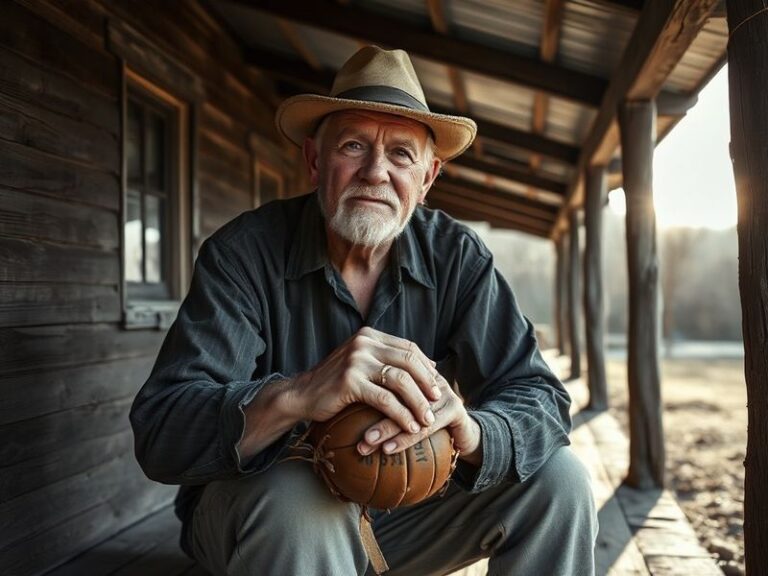
- Literary Figures: Characters in literature often reflect the “Nature Boy” archetype, portraying individuals who reject societal norms in favor of a simpler, more authentic existence. Think of characters like Huckleberry Finn, who seek freedom and adventure in the wilderness.
- Modern Environmentalism: Today, many activists embody the spirit of the “Nature Boy” through their advocacy for environmental protection. They champion the idea that living in harmony with nature is essential for the survival of future generations.
The “Nature Boy” in Contemporary Culture
In contemporary culture, the “Nature Boy” persona has evolved, influencing various domains such as fashion, music, and even social media. The aesthetic of the “Nature Boy” can be seen in the rise of outdoor-themed fashion trends and the popularity of influencers who promote a back-to-nature lifestyle.
Moreover, the impact of the “Nature Boy” extends into the realm of wellness and mindfulness. Many people are now embracing outdoor activities as a means of escaping the stresses of urban life. Practices such as hiking, camping, and nature retreats have surged in popularity, reflecting a collective desire to reconnect with the natural world.
Additionally, the “Nature Boy” archetype is often celebrated in music. Artists draw inspiration from themes of nature and freedom, creating songs that resonate with listeners seeking solace in the beauty of the outdoors. The fusion of these themes with modern sounds creates a rich tapestry that appeals to a broad audience.
Conclusion
The “Nature Boy” phenomenon is a complex and multifaceted concept that transcends its origins in wrestling and music. It encapsulates a longing for authenticity, a connection to nature, and a celebration of individuality. As society continues to grapple with the challenges of modern life, the allure of the “Nature Boy” remains potent, reminding us of the importance of embracing our roots and finding balance in an increasingly fast-paced world.
For more insights into similar cultural trends, visit our Culture and Sports sections.