When Bethesda Softworks released Fallout 3 in October 2008, it didn’t just enter a crowded genre—it redefined it. The game arrived a decade after the original Fallout (1997) and its sequel Fallout 2 (1998), both developed by Black Isle Studios. Those titles were celebrated for their dark humor, deep storytelling, and turn-based combat, but they were also niche products. Bethesda’s approach was different: a first-person shooter with open-world mechanics, a fully realized wasteland, and a level of immersion that felt fresh even for veterans of the series.
The result was more than a critical success; it was a turning point for how post-apocalyptic games were designed and perceived. Fallout 3 didn’t just revive a dormant franchise—it proved that open-world RPGs could thrive in this setting, influencing countless games that followed. Two decades later, its legacy persists in modern titles like The Outer Worlds and Cyberpunk 2077, both of which owe a debt to Bethesda’s vision.
The World of Fallout 3: A Wasteland That Feels Alive
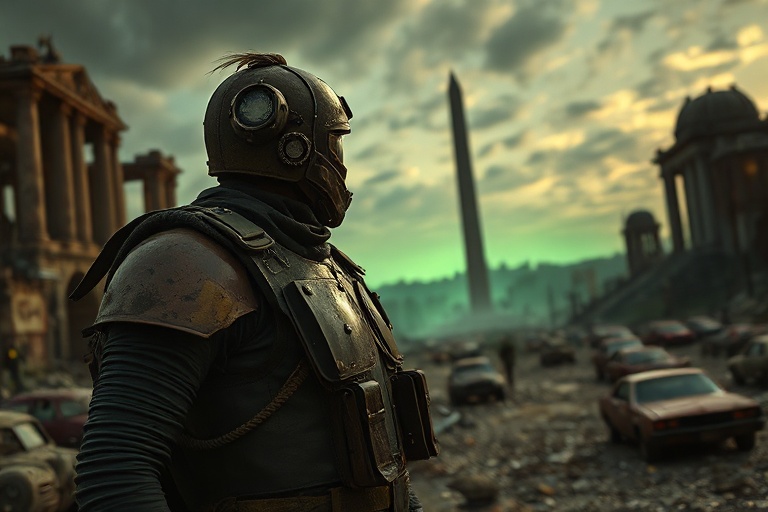
One of the most striking aspects of Fallout 3 is its setting: the ruins of Washington, D.C., transformed into a radioactive wasteland known as the Capital Wasteland. The attention to detail in recreating recognizable landmarks—now derelict and overgrown—gave the world a sense of authenticity that few games could match at the time. From the crumbling Washington Monument to the irradiated Potomac River, every location felt like a piece of history repurposed for survival.
The game’s atmosphere was equally immersive. The soundtrack, a mix of pre-war jazz and eerie ambient tracks, set a tone that was both melancholic and tense. Players moved through the world with a sense of isolation, knowing that every NPC they encountered could be friend or foe. The dynamic weather system, with its occasional rainstorms and flickering streetlights, added another layer of realism. Bethesda didn’t just build a world; it built a mood.
This commitment to environmental storytelling extended to the game’s side quests and encounters. A trip to the ruins of the Pentagon, now the fortified base of the Brotherhood of Steel, wasn’t just a combat challenge—it was a narrative experience. Players could piece together the history of the world through terminals, notes, and conversations, making the wasteland feel lived-in rather than procedurally generated.
Gameplay Innovations: Merging RPG Depth with FPS Accessibility
Fallout 3 introduced a hybrid gameplay model that blended first-person shooting with deep RPG mechanics. Players customized their character using the SPECIAL system (Strength, Perception, Endurance, Charisma, Intelligence, Agility, and Luck), which determined everything from combat effectiveness to dialogue options. While the original Fallout games used a point-based system for skills, Bethesda streamlined the process, making it more accessible without sacrificing depth.
The game’s combat was another area where Bethesda struck a balance. V.A.T.S. (Vault-Tec Assisted Targeting System) allowed players to pause combat and target specific body parts, a nod to the turn-based mechanics of the original games. This feature wasn’t just a gimmick; it added a strategic layer to firefights, especially when facing powerful enemies like deathclaws or super mutants. At the same time, real-time shooting kept the action fluid and engaging.
Progression was handled through a skill-based system, where players improved abilities by using them. Want to become a better hacker? Keep attempting terminals. Need to hit targets more accurately? Spend more time with a scoped weapon. This organic growth system encouraged experimentation and rewarded player engagement. It also meant that no two playthroughs felt identical, as choices in skill development drastically altered how players approached challenges.
- V.A.T.S. System: A tactical pause mechanic that added strategy to combat.
- SPECIAL Character System: Seven attributes that shaped player abilities and interactions.
- Dynamic World Events: Random encounters that kept exploration unpredictable.
- Faction-Based Storytelling: Major choices that influenced the wasteland’s political landscape.
- Radiation and Survival Mechanics: Environmental hazards that added urgency to exploration.
Narrative and Choices: The Illusion of Freedom
At its core, Fallout 3 is a story about survival and consequence. Players take on the role of the Lone Wanderer, a vault dweller who leaves the relative safety of Vault 101 to search for their missing father, Dr. James, a scientist who worked on the Project Purity water purifier. The quest to restore clean water to the Capital Wasteland drives much of the game’s main plot, but the real depth lies in the choices players make along the way.
The game’s morality system was more nuanced than a simple good-vs-evil dichotomy. Players could side with factions like the Brotherhood of Steel, a technocratic order hoarding pre-war technology, or the Talon Company, a mercenary group with a ruthless streak. The Enclave, the remnants of the U.S. government, offered a path of destruction, while the Brotherhood’s rivals, the Outcasts, represented a more isolationist approach. Each faction had its own vision for the wasteland’s future, and players’ allegiances could shift the game’s ending in dramatic ways.
However, the game’s storytelling wasn’t without its flaws. The main quest, while compelling, sometimes felt railroaded compared to the open-ended nature of the side content. And while the writing was often sharp—particularly in the game’s dark humor—some characters and quests suffered from underdevelopment. The infamous “Ten Paces” quest, where players must shoot a disarmed opponent, remains a controversial moment in the game’s legacy, sparking debates about player agency and morality in games.
Despite these criticisms, Fallout 3 succeeded in making players care about the world and its inhabitants. The emotional weight of decisions—like whether to save a settlement from raiders or leave it to its fate—gave the game a sense of consequence that few open-world titles could match at the time. It proved that players valued meaningful choices, even if those choices weren’t always perfect.
A Lasting Impact: How Fallout 3 Shaped Modern Gaming
The influence of Fallout 3 extends far beyond its own sales figures. When it launched, it sold over 4.7 million copies in its first year, proving that post-apocalyptic games could be commercially viable on a massive scale. Its success paved the way for Bethesda’s Fallout sequels, including Fallout: New Vegas (2010) and Fallout 4 (2015), as well as spin-offs like Fallout Shelter (2015). But its impact wasn’t limited to the Fallout series alone.
Games like The Elder Scrolls V: Skyrim (2011) and Far Cry 3 (2012) borrowed elements from Fallout 3, from its open-world design to its emphasis on player freedom. Even non-RPG titles like The Last of Us (2013) and Rage (2011) felt the ripple effects of Bethesda’s wasteland. The game also helped popularize the idea of “player choice” as a selling point, a trend that continues to dominate marketing for major releases today.
Yet, Fallout 3’s legacy is not without controversy. Some fans argue that Bethesda’s approach diluted the series’ unique identity, trading the original games’ turn-based combat and isometric perspective for a more conventional FPS experience. Others point to the game’s bugs and technical issues, which were widely criticized upon release. Still, the overwhelming consensus is that Fallout 3 was a necessary evolution for the franchise—a bold step that revitalized a series on the brink of obscurity.
For modern players, Fallout 3 remains a benchmark for open-world design. Its world feels alive in ways that many later games struggle to replicate. The Capital Wasteland isn’t just a backdrop; it’s a character in its own right, full of stories waiting to be uncovered. And while the game’s mechanics may feel dated by today’s standards, its core philosophy—player freedom, environmental storytelling, and consequence-driven gameplay—still resonates.
If you’re interested in exploring more of Bethesda’s work, check out their PC game library on Dave’s Locker. For a deeper dive into post-apocalyptic gaming, their RPG section features titles that continue the legacy of Fallout 3.
Why Fallout 3 Still Matters Today
In an era where open-world games are more common than ever, Fallout 3 stands out for how it balanced scale with intimacy. It wasn’t just about the size of the world; it was about the feeling of exploring it. The game taught developers that post-apocalyptic settings could be more than just a backdrop for violence—they could be a canvas for storytelling, choice, and consequence.
For players, Fallout 3 remains a testament to the power of immersion. Whether you’re revisiting the ruins of D.C. or experiencing it for the first time, the game’s world feels like a place worth exploring. And in a genre that often prioritizes spectacle over substance, that’s a legacy worth celebrating.