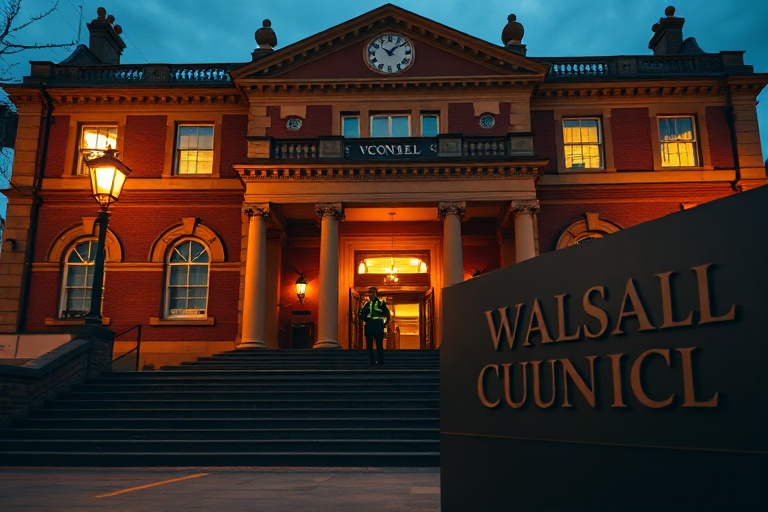
Walsall Council: Balancing Budgets, Services, and Community Needs
Walsall Council operates at the heart of the West Midlands, managing a diverse borough of over 280,000 residents. As a metropolitan district council, it delivers essential services from education and housing to waste collection and social care. Like many local authorities across the UK, Walsall Council faces the dual challenge of rising demand and tightening budgets. Its recent financial planning reflects the broader pressures on local government, where every pound must stretch further.
The council’s financial strategy has drawn attention in recent years. In 2023–24, Walsall Council set a balanced budget despite a projected £17 million shortfall. This was achieved through a combination of service reductions, efficiency savings, and targeted investments in high-priority areas. The approach mirrors strategies seen in other councils, where creative financial management is now standard practice rather than an exception.
Budget Pressures and Service Adaptations
Walsall Council’s budget report outlined several key areas where savings were identified. Adult social care, a growing cost nationwide, required an additional £5.7 million allocation. Meanwhile, the council froze non-essential spending and paused some discretionary projects. These measures were not taken lightly but were framed as necessary to protect frontline services.
Residents have noticed changes. Libraries have reduced opening hours. Some youth services have been scaled back. The council argues that these adjustments are part of a wider transformation aimed at modernising delivery rather than simply cutting corners. This narrative—of modernisation over retrenchment—has become common in local government communications.
Community groups have raised concerns, particularly about the impact on vulnerable residents. A local advocacy organisation, Walsall Community Voice, highlighted worries over reduced support for elderly residents and children with disabilities. The council responded by pointing to preventative programs and partnerships with charities, though critics argue the cuts are still too deep.
Housing and Regeneration: A Focus on the Future
Beyond day-to-day services, Walsall Council is investing in long-term regeneration. The town centre has been a focal point, with plans to improve public spaces and attract investment. The £20 million Walsall Towns Fund project aims to revitalise the High Street, improve transport links, and create new business opportunities.
This regeneration effort is part of a broader West Midlands initiative to reposition post-industrial towns as vibrant hubs. Walsall’s heritage in manufacturing and leather goods is being reimagined through cultural and commercial redevelopment. The council’s leadership has emphasised the importance of balancing heritage with innovation, ensuring that regeneration benefits existing communities rather than displacing them.
However, regeneration brings challenges. Rising property values can push out long-term residents. Local businesses may struggle during construction phases. The council has committed to affordable housing quotas and community benefit agreements, but delivery remains a watchpoint for residents and campaigners.
Education and Children’s Services Under Scrutiny
Education remains a central concern for Walsall Council. The authority oversees 127 schools, including primaries, secondaries, and special schools. In recent Ofsted inspections, several schools were rated ‘requires improvement’, prompting calls for systemic support rather than blame.
The council has introduced targeted interventions, including literacy programs and teacher training, to address underperformance. It has also expanded mental health support in schools, reflecting a growing recognition of wellbeing as part of educational attainment. These efforts align with national priorities but require sustained funding and staffing.
Special educational needs (SEN) services have been a particular focus. Walsall Council has been working to reduce waiting times for EHCP (Education, Health and Care Plan) assessments, which have risen nationally due to increased demand. A dedicated SEN team has been established, though backlogs persist. Parents report frustration, but the council points to progress in digital case management and staff recruitment.
Environmental Initiatives and Climate Action
Walsall Council has also positioned itself as a leader in environmental sustainability. It declared a climate emergency in 2019 and adopted a carbon neutral target by 2045. To date, it has reduced council emissions by 38% since 2019 through LED lighting, fleet electrification, and energy efficiency in buildings.
The council’s environmental strategy includes tree planting, waste reduction, and air quality monitoring. It has introduced food waste collections and expanded recycling services, achieving a 57% recycling rate—above the national average for similar authorities.
Yet challenges remain. Industrial zones in the borough contribute to higher-than-average pollution levels. Residents in some areas report poor air quality, especially near major roads. The council has installed air quality sensors and is working with businesses to reduce emissions, but progress is incremental and subject to economic constraints.
Looking Ahead: Challenges and Opportunities
Walsall Council’s journey reflects broader trends in local governance: shrinking budgets, rising expectations, and the need for innovation. Its leaders argue that transformation is not optional but essential. Yet transformation requires public trust—and that is not always easy to maintain.
The council faces an ongoing balancing act. It must deliver statutory services, invest in growth, and respond to climate imperatives—all while managing public expectations. The next few years will test whether its strategy of targeted cuts, regeneration, and modernisation can deliver real benefits for residents.
One thing is clear: Walsall’s future will be shaped not just by policy documents, but by the voices of its people. Community engagement, transparency, and accountability will determine whether the council’s vision becomes a reality or remains an aspiration.
As the council prepares its next budget cycle, one question looms: can it continue to protect frontline services without compromising the quality of life for the most vulnerable? The answer will define its legacy.
Key Takeaways
- Walsall Council faces significant budget pressures, requiring service adaptations and efficiency measures.
- Regeneration projects aim to revitalise the town centre but raise concerns about displacement and affordability.
- Education and SEN services are under scrutiny, with targeted interventions being introduced.
- The council has made progress on environmental goals but continues to address air quality and waste challenges.
Ultimately, Walsall Council’s story is one of resilience in the face of systemic challenges. Its ability to adapt, engage, and deliver will shape the borough’s future for years to come.