An unexpected aviation incident at one of New York’s busiest airports has left the public searching for answers. Here’s a breakdown of the facts, the response, and what it could mean for air travel moving forward.
The Incident Unfolds: Timeline and Immediate Response
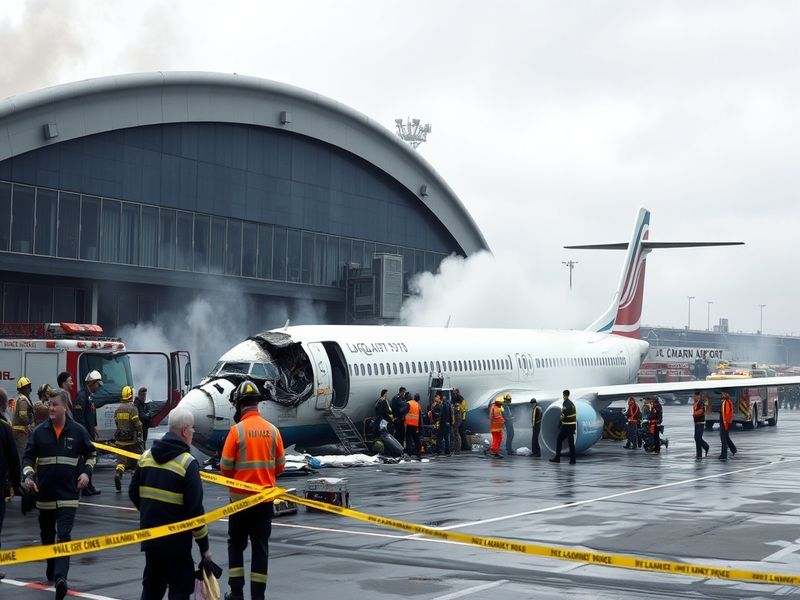
On a routine morning at LaGuardia Airport, a commercial aircraft experienced a catastrophic failure during takeoff. The plane, identified as an American Airlines flight bound for Dallas/Fort Worth, lifted off from Runway 13 before abruptly losing altitude and skidding off the tarmac. Emergency services were on scene within minutes, securing the perimeter and evacuating passengers.
Witnesses described a scene of controlled chaos as flames erupted near the aircraft’s landing gear. Firefighters from the Port Authority and FDNY worked to contain the blaze while passengers, many in a state of shock, were guided to safety. The airport temporarily suspended all operations, stranding hundreds of travelers.
Local authorities confirmed that no one on the ground was injured, but several passengers and crew members sustained minor injuries. The FAA and NTSB immediately launched investigations to determine the cause of the crash.
Investigating the Cause: Early Theories and Challenges
While the investigation is still in its early stages, preliminary reports suggest a mechanical failure may have played a role. Aviation experts have pointed to several potential factors, including equipment malfunction, pilot error, or adverse weather conditions at the time of departure.
Weather data from the National Weather Service indicated gusty winds and low visibility, which could have contributed to the incident. However, officials have not ruled out other possibilities. The plane’s black box recorders were recovered and are being analyzed, which should provide critical insights into the moments leading up to the crash.
The NTSB has urged caution in drawing conclusions until a thorough review is completed. In the meantime, airlines are conducting additional pre-flight checks to ensure no similar issues go unnoticed.
Key Factors Under Review
- Mechanical failure: Potential issues with the aircraft’s systems, including engines or landing gear.
- Pilot error: Review of the flight crew’s actions and decisions during takeoff.
- Weather conditions: Assessment of wind shear, turbulence, or other environmental factors.
- Airport infrastructure: Examination of runway conditions and maintenance protocols.
Broader Implications: How This Affects Air Travel
The incident at LaGuardia has reignited discussions about air travel safety and the pressures facing commercial aviation. With passenger volumes steadily increasing, even minor disruptions can have significant ripple effects across the industry.
Airlines may face stricter regulatory scrutiny in the coming months, particularly regarding maintenance and pilot training. The FAA could impose additional safety protocols, potentially leading to delays or higher operational costs for carriers.
Passengers, too, may feel the impact. Increased inspections and a heightened focus on safety could lead to more thorough boarding procedures or even temporary flight cancellations as airlines adjust to new guidelines. For frequent flyers, this could mean more time spent at the airport and potential disruptions to travel plans.
Beyond the immediate aftermath, this incident serves as a reminder of the inherent risks in air travel. While flying remains one of the safest modes of transportation, even rare accidents can have lasting consequences for public perception and industry practices.
Lessons Learned and Moving Forward
As the investigation continues, the focus remains on ensuring that such an event does not recur. The aviation industry has a strong track record of learning from incidents, implementing changes to prevent future tragedies. Whether this crash leads to new regulations or technological advancements, the priority is clear: safety must come first.
For passengers, the incident is a stark reminder of the importance of situational awareness. Knowing emergency procedures, paying attention to crew instructions, and staying calm in unexpected situations can make all the difference.
In the weeks ahead, we can expect to learn more as investigators piece together the sequence of events. Until then, the aviation community will be watching closely, determined to restore confidence in air travel.
For more on aviation safety and industry trends, explore our News and Travel sections.