Franciacorta: Italy’s Hidden Sparkling Wine Gem You Need to Try
Franciacorta: Italy’s Hidden Sparkling Wine Gem
Nestled in the rolling hills of Lombardy, just southeast of Lake Iseo, the Franciacorta region produces some of Italy’s most refined sparkling wines. While Champagne and Prosecco dominate global conversations about bubbly beverages, Franciacorta remains a well-kept secret—crafted with precision, rooted in tradition, and increasingly celebrated beyond Italy’s borders.
The region’s wines are made using the same méthode traditionnelle process as Champagne, where secondary fermentation occurs in the bottle, creating fine, persistent bubbles. Yet Franciacorta stands apart through its terroir, grape varieties, and a commitment to quality that has elevated it to the status of Italy’s only DOCG sparkling wine. This designation, the country’s highest for wine, underscores the region’s dedication to excellence and its unique place in the world of fine wines.
A Brief History and Global Rise
Franciacorta’s winemaking roots stretch back to the Roman era, but its modern identity began to take shape in the 1960s. Local producers, inspired by Champagne, began experimenting with the méthode traditionnelle, seeking to create a sparkling wine that could rival its French counterpart. By 1995, Franciacorta earned its DOCG status, cementing its reputation as a serious contender in the global wine market.
Today, the region spans approximately 3,000 hectares of vineyards, with over 100 producers contributing to its growing reputation. While still less internationally recognized than Champagne or Prosecco, Franciacorta has carved out a niche among connoisseurs and sommeliers. Its wines are increasingly featured on the menus of high-end restaurants and wine lists around the world, from New York to Tokyo.
What Sets Franciacorta Apart?
Several factors distinguish Franciacorta from other sparkling wines. First is its terroir: the region’s morainic soils, left behind by ancient glaciers, provide excellent drainage and mineral complexity. The climate, influenced by Lake Iseo, ensures a balance of acidity and ripeness in the grapes, which include Chardonnay, Pinot Noir, and Pinot Blanc.
Franciacorta’s production standards are also rigorous. Unlike Prosecco, which is often made using the Charmat method (secondary fermentation in tanks), Franciacorta wines undergo the traditional method, requiring at least 18 months on the lees for non-vintage wines and 30 months for vintage bottlings. Riservas, the highest tier, age for five years or more, resulting in wines of exceptional depth and finesse.
The region’s commitment to sustainability is another point of pride. Many producers adhere to organic and biodynamic practices, ensuring that the land remains healthy for future generations. This focus on eco-conscious winemaking resonates with modern consumers who prioritize ethical and sustainable choices.
The Global Appeal of Franciacorta
Franciacorta’s ascent in the global market reflects broader trends in wine consumption. As consumers become more adventurous and knowledgeable, they seek out unique, high-quality wines that tell a story. Franciacorta fits this demand perfectly—it offers the elegance and complexity of Champagne with a distinct Italian personality.
In the United States, sommeliers and wine directors have taken notice. Many restaurants now feature Franciacorta alongside Champagne, highlighting its versatility as an aperitif or pairing with seafood, risotto, and even sushi. Its crisp acidity and subtle fruit notes make it a refreshing alternative to heavier sparkling wines.
Europe, too, has embraced Franciacorta. In the UK, it has become a favorite among wine collectors and enthusiasts, often found in specialty wine shops and online retailers. The wine’s versatility and food-friendliness have also made it a popular choice for celebrations, from weddings to New Year’s Eve.
Even in Italy, where Prosecco often steals the spotlight, Franciacorta is gaining traction. Younger generations of Italians are rediscovering their country’s sparkling wines, and Franciacorta’s quality and craftsmanship make it a natural choice for those looking to elevate their wine experiences.
How to Enjoy Franciacorta
For those new to Franciacorta, here’s a quick guide to appreciating its nuances:
- Tasting Notes: Franciacorta wines range from brut (dry) to extra brut (very dry), with flavors of green apple, citrus, almond, and brioche. Vintage wines often exhibit more complexity, with notes of honey and toasted nuts.
- Food Pairings: Its high acidity makes Franciacorta a fantastic match for creamy cheeses, fried foods, and dishes with a touch of sweetness. Try it with a classic risotto alla Milanese or a platter of fresh oysters.
- Serving Temperature: Chill to 8–10°C (46–50°F) to fully appreciate its aromas and bubbles.
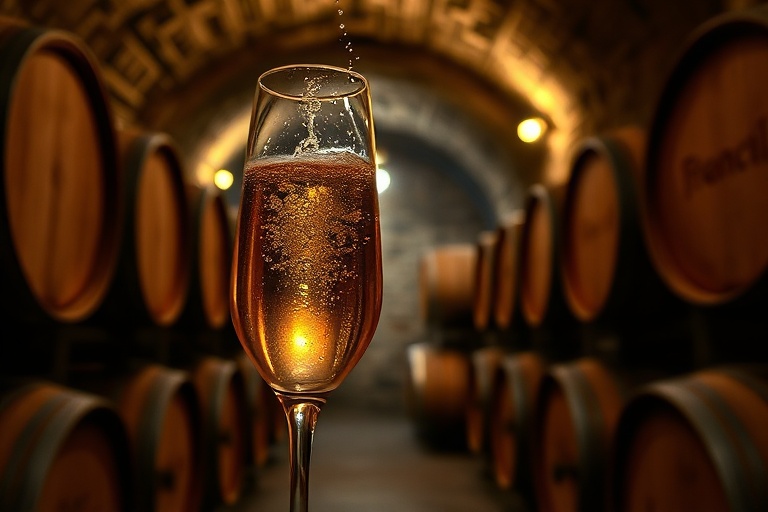
- Glassware: Use a flute or tulip-shaped glass to concentrate the aromas and preserve the effervescence.
For those interested in exploring Franciacorta further, consider visiting the region. The Franciacorta Wine Route offers guided tours of vineyards, tastings, and opportunities to meet the winemakers behind these exceptional wines. It’s an experience that combines scenic beauty, culinary delights, and a deep dive into one of Italy’s best-kept secrets.
A Toast to the Future
As the world of wine continues to evolve, Franciacorta is poised to play an even larger role. Its commitment to quality, sustainability, and innovation ensures that it will remain a benchmark for Italian sparkling wines. Whether enjoyed on its own or paired with a meal, Franciacorta offers a taste of Italy’s rich heritage and a glimpse into the future of fine wine.
For those eager to explore beyond the usual sparkling wine options, Franciacorta is a discovery worth savoring. Its story is one of passion, tradition, and a relentless pursuit of excellence—a narrative that resonates with wine lovers around the world.