Hackney: London’s Creative Powerhouse and Beyond
Hackney, one of London’s most dynamic boroughs, has undergone a remarkable transformation over the past two decades. Once an area known for economic challenges, it has emerged as a cultural and creative epicenter, drawing artists, entrepreneurs, and young professionals from around the world. Its evolution reflects broader trends in urban development, where creativity and commerce intersect to redefine neighborhood identities.
The borough stretches from the leafy streets of Stoke Newington in the north to the industrial edges of the River Lea in the south. This geographic diversity contributes to Hackney’s multifaceted character. Areas like Dalston and Shoreditch pulse with nightlife and street art, while Hackney Wick and Fish Island retain traces of their industrial past, now repurposed as arts districts. This blend of old and new creates a unique urban fabric that continues to attract diverse communities.
The Rise of Hackney’s Creative Economy
The area’s artistic renaissance began in the late 1990s and early 2000s, when affordable rents lured painters, musicians, and designers to its warehouses and loft spaces. The opening of the Hackney Empire in 1986 had already given the borough a cultural landmark, but the real shift came with grassroots initiatives. Studios like Arts in the Park in London Fields provided affordable workspaces for emerging artists, while venues such as the Vortex Jazz Club nurtured local talent.
By the 2010s, Hackney’s creative sector had matured into a significant economic force. The borough became home to over 1,500 creative businesses, ranging from graphic design studios to independent filmmakers. This growth was supported by organizations like the Hackney Council’s Creative Enterprise Zone, which offered grants and business support to local creatives. The area’s reputation was further cemented by events like the Hackney One Festival, which celebrated its cultural diversity through music, dance, and food.
- Key Creative Hubs in Hackney:
- Shoreditch: The epicenter of London’s street art scene, featuring works by Banksy and Stik, alongside flagship stores for emerging fashion brands.
- Hackney Wick: A former industrial zone now populated by artist collectives, galleries, and pop-up venues, particularly along the canal.
- London Fields: A blend of vintage shops, independent cafes, and co-working spaces, drawing a mix of creatives and entrepreneurs.
- De Beauvoir: Known for its bijou mews and bohemian charm, this area attracts a more affluent creative class with its boutique studios and galleries.
The creative economy in Hackney isn’t just about art for art’s sake. It has become a driver of local employment, with over 20,000 people working in creative industries across the borough. According to a 2022 report by the Greater London Authority, Hackney’s creative sector contributes approximately £1.2 billion to the local economy annually. This financial impact has led to increased investment in infrastructure, including improved public transport and cultural facilities.
Gentrification: Progress or Displacement?
Hackney’s transformation has not been without controversy. The borough’s rise in popularity has coincided with soaring property prices and rents, pricing out long-term residents and small businesses. Between 2011 and 2021, average house prices in Hackney increased by over 70%, far outpacing the London average. This has led to accusations of gentrification, where the very communities that once defined the area’s creative spirit are being pushed out.
The tension between regeneration and displacement is most visible in areas like Dalston and Clapton. Once working-class neighborhoods with strong community ties, they now feature luxury apartments and high-end coffee shops. While some long-term residents have benefited from increased property values, others have struggled with rising costs and changing neighborhood dynamics. The Hackney Council has attempted to mitigate these effects through policies like the Affordable Housing Programme, which aims to reserve 50% of new developments for social and affordable housing.
Critics argue that these measures are insufficient. A 2020 report by the London Assembly highlighted that over 10,000 households in Hackney are on the waiting list for social housing, while luxury developments continue to dominate the skyline. Community groups, such as the Hackney Housing Rights Group, have organized protests and campaigns to demand more inclusive policies. Their efforts underscore the complex balance between welcoming new investment and preserving the borough’s social fabric.
Cultural and Social Vibrancy
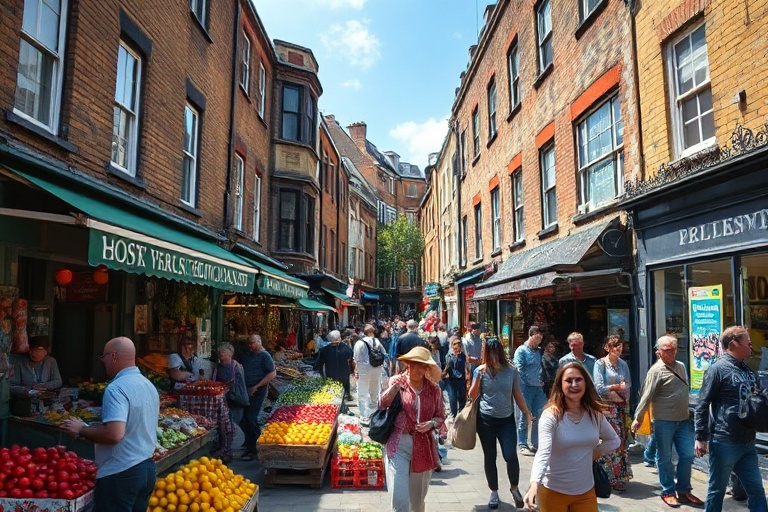
Despite the challenges of gentrification, Hackney remains one of London’s most culturally vibrant boroughs. Its diversity is one of its greatest strengths, with over 50% of residents identifying as Black, Asian, or from other ethnic minority backgrounds. This diversity is reflected in the borough’s food scene, which ranges from traditional Caribbean eateries in Hackney Road to modern Vietnamese restaurants in Kingsland Road. Markets like Ridley Road Market offer a taste of this multiculturalism, with stalls selling everything from fresh produce to vintage clothing.
The borough’s music scene continues to thrive, building on its historic roots. Venues like the Jazz Café in Camden (just beyond Hackney’s borders) and the Total Refreshment Centre in Manor House have become essential stops for both emerging and established musicians. Hackney’s connection to music dates back to the 1960s and 70s, when it was a hub for reggae and punk scenes. Today, it hosts festivals like Love Saves the Day, which celebrates electronic and indie music, drawing crowds from across the UK.
Hackney’s nightlife is equally diverse, with everything from underground clubs like Dalston’s Corsica Studios to rooftop bars offering panoramic views of the city. The borough’s LGBTQ+ community is particularly well-served, with venues like the Royal Vauxhall Tavern (just outside Hackney) and the George & Dragon in Dalston providing safe spaces for queer nightlife. This inclusivity has contributed to Hackney’s reputation as a welcoming and tolerant place to live and visit.
The Future of Hackney: Challenges and Opportunities
As Hackney looks to the future, it faces a series of challenges that will shape its next phase of development. One of the most pressing is the impact of climate change. The borough is particularly vulnerable to flooding, with large parts of Hackney Wick and the Lower Lea Valley at risk. The Hackney Council has responded with initiatives like the Green Roofs project, which encourages the installation of vegetation on rooftops to manage stormwater and reduce urban heat. However, more needs to be done to ensure the borough’s resilience in the face of climate-related threats.
Another challenge is maintaining the balance between growth and sustainability. The COVID-19 pandemic accelerated trends like remote working, leading to increased demand for co-working spaces and residential properties. While this has boosted Hackney’s economy, it has also put pressure on local infrastructure, from schools to public transport. The Council has responded by investing in projects like the Hackney Wick and East Bank regeneration scheme, which aims to create a new cultural quarter along the River Lea, featuring venues like the Victoria & Albert Museum’s new outpost.
Despite these challenges, Hackney’s future looks bright. Its creative energy shows no signs of waning, and its cultural institutions continue to innovate. The borough’s schools, such as the Petchey Academy in Hackney Wick, are producing the next generation of artists and entrepreneurs. Meanwhile, grassroots organizations like the Hackney Pirates, which supports literacy and creativity among young people, are ensuring that the borough’s creative spirit is passed on to future generations.
Hackney’s story is one of resilience and reinvention. From its industrial past to its creative present, it has continually adapted to meet the needs of its residents and the city at large. As it navigates the challenges of the 21st century, Hackney remains a testament to the power of community, creativity, and adaptability in shaping the future of urban living.