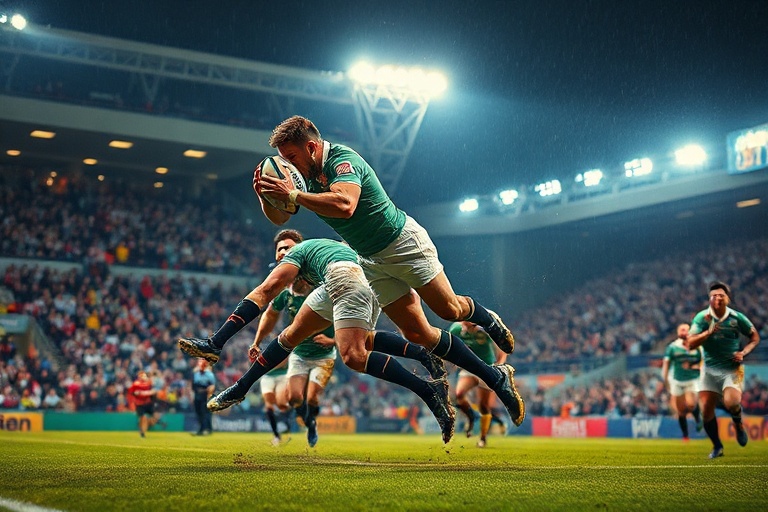
How Rugby League on TV is Changing the Sport’s Future
Television has transformed rugby league from a regional pastime into a global spectacle. What began as local matches played in front of modest crowds has evolved into a broadcast-driven entertainment powerhouse, reaching millions of homes across continents. The way fans consume rugby league today is unrecognizable from even two decades ago, thanks to technological advancements, strategic broadcasting deals, and evolving viewer expectations.
Broadcasters have not only expanded the sport’s reach but have also redefined its presentation. Slow-motion replays, expert commentary, and multi-angle camera work now accompany every play. These enhancements have made rugby league more accessible to casual viewers while deepening the engagement of die-hard fans. As a result, the sport has seen a surge in popularity in markets where it was once considered niche.
The Evolution of Rugby League Broadcasting
The journey of rugby league on television reflects broader trends in sports media. In the 1980s and early 1990s, coverage was limited to highlights packages on terrestrial channels. Matches were often broadcast in black and white or with minimal production value. The sport’s core audience was confined to working-class communities in Northern England, Australia, and Papua New Guinea—regions where rugby league was deeply rooted in local culture.
By the mid-1990s, satellite television began to change the landscape. Sky Sports in the UK and Fox Sports in Australia invested heavily in rugby league, offering live coverage for the first time. This shift brought professional production standards to the sport, including high-definition broadcasts, dedicated studio shows, and in-depth analysis. The introduction of pay-TV platforms meant that fans could watch every match, not just the marquee games.
The digital revolution of the 2010s accelerated this transformation. Streaming services like Rugby League Plus and the NRL’s own platform allowed fans to watch games on demand, anytime and anywhere. Social media integration further amplified engagement, with clips of tries and tackles going viral within minutes. Today, a rugby league fan in New York or Tokyo can follow every tackle, try, and referee decision in real time, just as easily as someone sitting in Sydney’s Allianz Stadium.
Key Milestones in Rugby League TV Coverage
- 1987: First live rugby league match broadcast in the UK (BBC’s Match of the Day extended highlights).
- 1992: Sky Sports secures exclusive rights to the UK’s Rugby League Premiership, marking the start of dedicated coverage.
- 2001: The NRL launches its own broadcast channel, NRL TV, offering live and on-demand content.
- 2012: International streaming platforms like Rugby League Plus expand access beyond traditional markets.
- 2020: The COVID-19 pandemic forces broadcasters to innovate, with empty stadiums replaced by virtual crowds and enhanced graphics.
How Broadcasting Rights Drive Revenue and Growth
Broadcasting rights are the financial backbone of modern rugby league. The revenue generated from TV deals funds player salaries, grassroots development, and infrastructure improvements. In Australia, the National Rugby League (NRL) has leveraged its broadcasting partnerships to become one of the most lucrative sports leagues in the world. The current broadcast deal with Nine Network and Fox Sports, valued at over $1 billion AUD per year, ensures that the NRL can attract top talent and expand its global footprint.
In Europe, the sport’s governing body, the RFL, has also benefited from strategic TV partnerships. The long-term deal with Sky Sports and BBC Sport in the UK guarantees financial stability for clubs across the Super League and Championship. These funds have been critical in professionalizing the sport, allowing clubs to invest in academies, women’s teams, and community programs.
However, the pursuit of broadcast revenue has not been without challenges. Smaller leagues, such as those in France and the Pacific Islands, often struggle to secure lucrative deals. This disparity can widen the gap between elite and developing rugby league nations. For example, the French Elite 1 Championship operates on a fraction of the budget available to its English or Australian counterparts, limiting its ability to compete on the global stage.
The Impact of Global Expansion
The NRL and Super League have both prioritized international expansion, using TV broadcasts as a gateway to new markets. The NRL’s NRL Premiership is now broadcast in over 100 countries, with dedicated feeds in multiple languages. This has led to a surge in participation and fan interest in places like the United States, Canada, and South Africa.
Similarly, the Super League has made inroads into Europe with partnerships in Germany, Spain, and Italy. The league’s decision to stage matches in these countries has further fueled growth. For instance, the 2023 Magic Weekend in Manchester attracted record crowds and television ratings, proving that rugby league can thrive beyond its traditional heartlands.
The Fan Experience: From Living Room to Stadium
Television has not replaced the atmosphere of a live rugby league match, but it has transformed how fans experience the game. Broadcasters now offer a range of viewing options, from traditional linear TV to interactive apps and virtual reality (VR) experiences. The NRL’s official app, for example, provides live stats, player cams, and augmented reality features that enhance the viewing experience.
Social media has also become an integral part of the fan experience. Platforms like Twitter, Instagram, and TikTok allow fans to engage with the sport in real time, sharing their reactions to big plays or controversial decisions. This digital engagement has created a 24/7 conversation around rugby league, keeping the sport relevant even outside of match days.
Yet, the rise of TV and digital viewing has raised questions about the future of live attendance. Some clubs have reported declines in stadium crowds, attributing it to the convenience of watching from home. To counter this, broadcasters and clubs have introduced initiatives like “fan zones” and discounted ticket offers for viewers who watch the game on TV. The goal is to ensure that the communal spirit of rugby league—cheering alongside thousands of fellow supporters—remains a vital part of the sport’s identity.
The Future of Rugby League on TV
The next frontier for rugby league broadcasting is personalization. Artificial intelligence (AI) and machine learning are already being used to tailor content to individual viewers. Imagine a broadcast that adapts camera angles based on your favorite player or provides real-time commentary in your preferred language. These technologies could make the viewing experience even more immersive and engaging.
Another trend is the growth of women’s rugby league. The NRL Women’s Premiership and the Women’s Super League have gained significant traction, with dedicated TV slots and increased production quality. Broadcasters are recognizing the commercial potential of women’s sport, and rugby league is well-positioned to capitalize on this shift.
Sustainability is also becoming a priority. Broadcasters are under pressure to reduce their carbon footprint, and rugby league is no exception. The NRL has committed to carbon-neutral broadcasts by 2030, exploring eco-friendly production methods and offsetting emissions. This aligns with the growing demand for responsible sports entertainment.
What’s Next for Fans?
As rugby league continues to evolve, fans can expect more innovation in how they watch the sport. Here are a few developments to watch:
- Interactive Viewing: Fans may soon be able to vote on camera angles or choose between different commentary teams.
- Augmented Reality (AR): AR could overlay real-time stats or player biographies during broadcasts, enriching the viewing experience.
- Regional Broadcasters: Smaller leagues may partner with regional platforms to reach niche audiences more effectively.
- Fan-Generated Content: Clubs could integrate fan videos and social media posts directly into broadcasts, creating a more inclusive experience.
Conclusion: A Bright Future on Screen and Beyond
Rugby league on television has come a long way from its humble beginnings. What was once a regional sport confined to local stadiums is now a global entertainment phenomenon, shaped by the power of broadcast media. Television has not only expanded the sport’s reach but has also elevated its production standards, financial viability, and fan engagement.
As technology continues to advance, the way we watch rugby league will keep evolving. From AI-driven personalization to sustainable broadcasting, the future holds exciting possibilities. Yet, amidst all these changes, the core of rugby league—its passion, its community, and its thrilling on-field action—remains unchanged. Whether you’re watching from a packed stadium or a living room halfway across the world, the spirit of the game endures.
For fans and newcomers alike, the message is clear: rugby league is here to stay, and television will continue to play a pivotal role in its journey. The next time you tune in, remember that you’re not just watching a game—you’re part of a tradition that spans generations and continents.