How Xbox Games Shaped Global Gaming Culture and Innovation
Microsoft’s Xbox has long been a cornerstone of the gaming industry, evolving from a console-focused platform into a multifaceted ecosystem that spans hardware, software, and digital services. What began as a direct competitor to Sony’s PlayStation and Nintendo’s consoles has grown into a global phenomenon, shaping how millions interact with interactive entertainment. The Xbox brand’s journey reflects broader trends in technology, culture, and consumer behavior, making it a fascinating case study in digital entertainment.
The impact of Xbox extends far beyond its home market. In Europe, for example, the platform has cultivated a dedicated following through strategic partnerships with local developers and publishers. Meanwhile, in Asia—particularly in regions like Japan and South Korea—Xbox has carved out a niche among competitive gamers, thanks to titles like Halo and Forza Horizon. This global reach underscores Xbox’s role not just as a gaming device, but as a cultural bridge connecting players across continents.
The Rise of Xbox: From Console to Ecosystem
When the original Xbox launched in 2001, it introduced American audiences to the idea of a console as more than just a gaming machine. With its built-in hard drive and Ethernet port, the system positioned itself as a multimedia hub, a precursor to today’s all-in-one entertainment devices. This vision was ahead of its time, anticipating the convergence of gaming, streaming, and online connectivity years before it became standard.
Microsoft’s acquisition of Bethesda Softworks in 2020 further cemented its commitment to gaming content. The deal brought iconic franchises like The Elder Scrolls and Fallout into the Xbox family, expanding its library and strengthening its appeal to RPG enthusiasts. This strategic move also highlighted how Xbox’s influence stretches beyond hardware, shaping the broader gaming landscape through acquisitions and partnerships.
Key Milestones in Xbox History
- 2001: Launch of the original Xbox, introducing online multiplayer via Xbox Live.
- 2013: Introduction of Xbox One, emphasizing cloud gaming and social integration.
- 2017: Project Scorpio (later Xbox One X) pushes hardware boundaries with 4K gaming.
- 2020: Xbox Game Pass subscription service gains global traction, redefining access to games.
- 2024: Expansion into cloud gaming with more regions adopting the service.
The shift toward subscription models reflects a broader industry trend, where access often matters more than ownership. Xbox Game Pass, in particular, has democratized gaming by offering a vast library for a monthly fee. This model has resonated in markets like India and Brazil, where high-end hardware costs can be prohibitive. By focusing on accessibility, Xbox has aligned itself with the values of a new generation of gamers who prioritize flexibility and affordability.
Cultural Impact: How Xbox Games Shape Communities
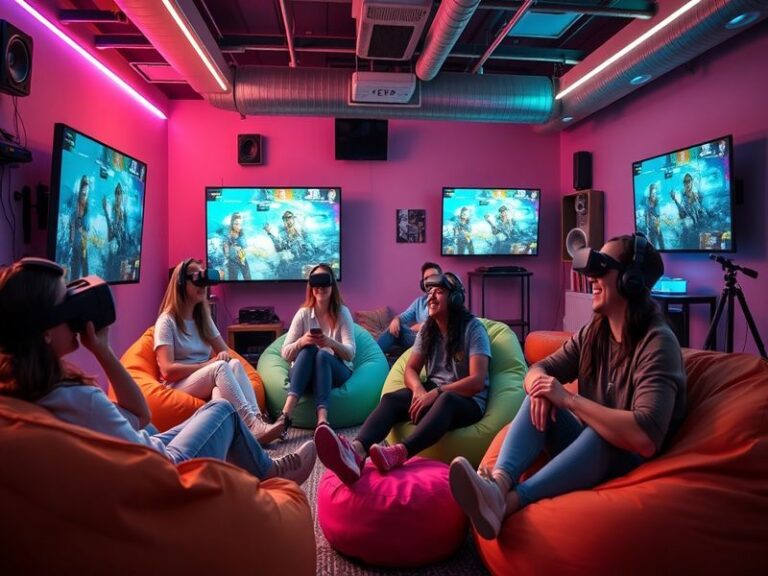
Gaming is no longer a solitary activity confined to basements or bedrooms. It has become a social experience, and Xbox has played a pivotal role in fostering these connections. The platform’s emphasis on online multiplayer—from Halo’s legendary matches to Sea of Thieves’ cooperative adventures—has turned gaming into a shared cultural experience. In South Korea, for instance, PC bangs (internet cafes) have long been communal spaces for gaming, but Xbox’s online features have extended this sense of community into living rooms worldwide.
Moreover, Xbox has become a platform for creative expression. Games like Minecraft—which Microsoft acquired in 2014—have transcended their status as mere entertainment to become tools for education and storytelling. In classrooms across Europe, Minecraft is used to teach subjects ranging from history to mathematics, demonstrating how Xbox’s influence extends into non-traditional spheres. This crossover appeal highlights the platform’s versatility and its potential to engage audiences beyond traditional gamers.
Esports and Competitive Gaming
While Xbox may not dominate esports to the same extent as PC platforms, it has carved out a significant presence in titles like Rocket League and Call of Duty. The Xbox Elite Series controllers, designed with competitive players in mind, reflect the platform’s commitment to high-performance gaming. In regions like North America and Western Europe, where esports infrastructure is well-developed, Xbox has become a viable platform for aspiring professional gamers.
However, the competitive scene also reveals regional disparities. In Africa, for example, esports is still emerging, but Xbox’s affordable hardware and online services have provided a gateway for local talent. Initiatives like the Xbox Africa Cup have begun to nurture homegrown talent, proving that the platform’s impact is not limited to established markets.
Innovation and Challenges in the Xbox Ecosystem
Xbox’s journey has not been without challenges. The console wars of the 2000s and early 2010s were fiercely competitive, with Sony’s PlayStation often outpacing Xbox in terms of exclusives and third-party support. Yet, Microsoft’s pivot toward a service-oriented model has allowed it to compete in new ways. By focusing on Game Pass, cloud gaming, and cross-platform play, Xbox has shifted the conversation from hardware superiority to ecosystem integration.
One of the most significant innovations has been the expansion of cloud gaming through Xbox Cloud Gaming (formerly xCloud). This service allows players to stream games directly to their devices, removing the need for high-end hardware. In regions with limited internet infrastructure, such as parts of Southeast Asia and Latin America, this feature has made high-quality gaming more accessible. However, challenges remain, particularly in areas with unreliable connectivity or data caps.
Sustainability and the Future of Gaming
As the gaming industry grapples with its environmental impact, Xbox has taken steps to address sustainability. The Xbox Series X|S consoles were designed with energy efficiency in mind, and Microsoft has committed to achieving carbon negativity by 2030. These efforts resonate with younger players, particularly in Europe, where environmental consciousness is a growing priority. By aligning itself with these values, Xbox positions itself as a forward-thinking brand in an industry often criticized for its ecological footprint.
Looking ahead, Xbox’s future appears to be rooted in flexibility. The continued growth of Game Pass, the expansion of cloud gaming, and the integration of AI-driven features suggest a platform that will evolve alongside its user base. Whether through partnerships with indie developers or advancements in virtual reality, Xbox is poised to remain a key player in the global gaming landscape.
Conclusion: Why Xbox Matters in the Global Gaming Landscape
Xbox’s story is one of adaptation and innovation. From its early days as a console contender to its current role as a multifaceted gaming ecosystem, the platform has consistently pushed boundaries. Its influence extends beyond hardware, shaping how games are played, shared, and experienced across cultures and continents.
For players in emerging markets, Xbox offers a bridge to global gaming culture. For developers, it provides tools and platforms to reach wider audiences. And for the industry at large, it represents a model of how gaming can evolve in an increasingly interconnected world. As Xbox continues to innovate, its legacy will likely be defined not just by the games it produces, but by the communities it helps build.
For those looking to explore the breadth of Xbox’s offerings, the platform’s diverse library spans genres and regions. Whether you’re interested in sports simulations like FIFA or narrative-driven experiences like Starfield, Xbox provides a gateway to worlds both familiar and uncharted. In a medium often defined by its diversity, Xbox stands as a testament to the power of play to unite, inspire, and innovate.