Juventude vs. São Paulo: A Clash of Styles and Ambitions in Brazilian Football
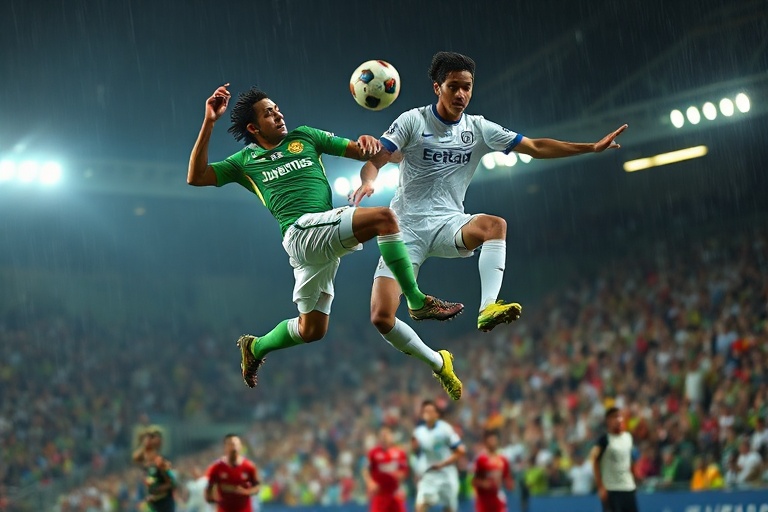
The rivalry between Esporte Clube Juventude and São Paulo Futebol Clube extends beyond the pitch. It represents a collision of two distinct footballing philosophies, one rooted in the passion of southern Brazil and the other in the grandeur of one of South America’s most storied clubs. These teams have met over 50 times in official competitions, with São Paulo holding a historical edge. Yet, Juventude’s rise in recent years has added a layer of unpredictability to their encounters.
Founded in 1913 in Caxias do Sul, Juventude carries the identity of Brazil’s immigrant communities, particularly those of Italian descent. The club’s colors—green, white, and red—reflect this heritage, and its fanbase remains deeply loyal despite periods of financial hardship. São Paulo, by contrast, was established in 1930 and has grown into a global symbol of excellence, boasting three Copa Libertadores titles, three FIFA Club World Cups, and numerous domestic honors.
The Tactical Contrast: Pragmatism Meets Flamboyance
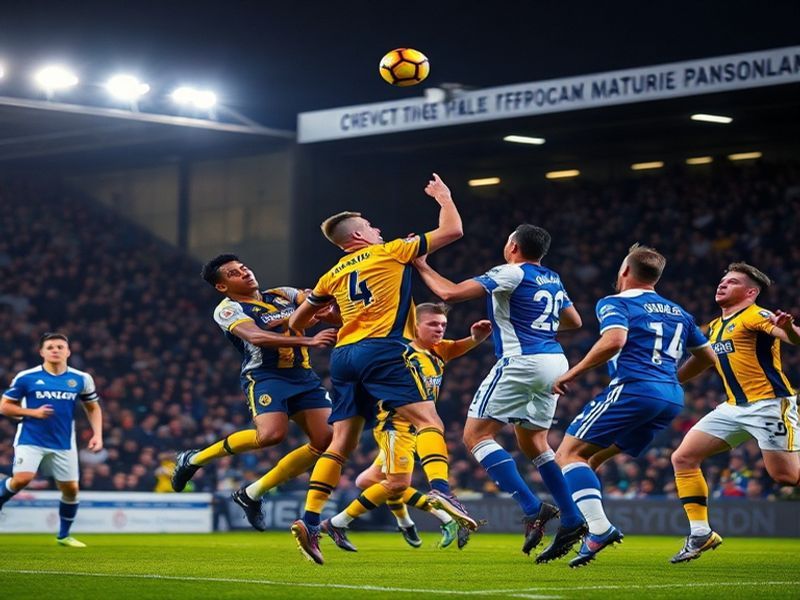
When these two teams face off, spectators witness a fascinating tactical duel. São Paulo typically lines up with a structured 4-2-3-1 or 4-3-3 formation, emphasizing possession, high pressing, and positional fluidity. Their midfielders orchestrate the game with technical precision, while wingers stretch play to exploit defensive weaknesses.
Juventude, on the other hand, often adopts a more direct and physical approach. Known for their resilience, the team relies on quick transitions, long balls, and a compact defensive block. Their style mirrors the gritty, no-nonsense football of smaller Brazilian clubs that punch above their weight. This contrast makes their matches unpredictable—São Paulo may dominate possession, but Juventude thrives on set pieces and counterattacks.
A Global Lens: How Brazilian Football Reflects Broader Trends
Brazilian football has long been a microcosm of global sporting evolution. The country’s clubs have historically blended technical artistry with raw passion, a duality that defines leagues from Europe to Asia. São Paulo’s success in the 2000s, for instance, paralleled the rise of tactical sophistication in European football, where clubs increasingly prioritized data-driven strategies over traditional methods.
Juventude’s recent campaigns, meanwhile, reflect a growing trend among underdog clubs worldwide. Teams from smaller markets are leveraging analytics, youth development, and community engagement to compete with financial giants. This shift mirrors efforts seen in leagues like Portugal’s Primeira Liga or Japan’s J-League, where clubs balance fiscal responsibility with on-field ambition.
Culturally, the Juventude vs. São Paulo rivalry underscores the diversity of Brazilian football. While São Paulo represents the cosmopolitan elite, Juventude embodies the regional pride of Brazil’s interior. This dynamic is not unique—across Europe, clubs like Athletic Bilbao (Spain) or FC Basel (Switzerland) play a similar role in preserving local identity amid globalized football.
Key Matches and Memorable Moments
The history between these teams includes several notable clashes, particularly in the Brasileirão and Copa do Brasil. Below are a few standout encounters:
- 2007 Brasileirão: São Paulo defeated Juventude 3-0 in a dominant display, showcasing their title-winning form.
- 2019 Copa do Brasil: Juventude stunned São Paulo with a 2-1 victory, knocking the Tricolor out in the Round of 16.
- 2021 Brasileirão: A tightly contested 1-1 draw highlighted Juventude’s defensive discipline and São Paulo’s struggles to break them down.
These matches reveal a pattern: São Paulo often controls the game, but Juventude’s tactical discipline forces them into errors. In 2019, for example, Juventude’s midfield pressed São Paulo’s deep-lying playmakers, disrupting their rhythm and creating chances on the counter.
The Role of Fan Culture and Identity
Football in Brazil is as much about culture as it is about sport. Juventude’s fans, known as “Tigres,” are renowned for their vocal support, often filling the Alfredo Jaconi Stadium with chants and drumbeats. Their passion is a testament to the club’s working-class roots, where football is a source of communal pride.
São Paulo’s fanbase, meanwhile, is vast and diverse, spanning multiple continents due to the club’s global fan clubs. The Tricolor’s supporters embrace a cosmopolitan identity, celebrating the club’s international success. Yet, they also face criticism for perceived elitism, a divide that mirrors broader societal tensions in Brazil.
This cultural contrast extends beyond Brazil. In Europe, clubs like FC Barcelona or Bayern Munich similarly represent regional or national pride, while others, like Manchester City or Paris Saint-Germain, are seen as corporate entities. The Juventude vs. São Paulo rivalry, therefore, serves as a microcosm of how football clubs navigate identity, ambition, and global influence.
What’s Next for These Two Clubs?
As both teams look ahead, their trajectories reflect broader shifts in Brazilian football. São Paulo continues to invest in youth academies and international signings, aiming to reclaim their status as a continental powerhouse. Their recent Copa Libertadores campaigns suggest a resurgence, though consistency remains a challenge.
Juventude, meanwhile, has emerged as a competitive force in the Brasileirão, finishing in the top half of the table in recent seasons. Their blend of tactical nous and physicality makes them a formidable opponent, particularly in home games. If they continue to develop, Juventude could soon challenge São Paulo’s dominance in their head-to-head meetings.
For fans, these matches offer more than just points—they represent a clash of cultures, histories, and aspirations. As Brazilian football evolves, encounters like Juventude vs. São Paulo remind us why the sport remains a global unifier, capable of bridging divides and sparking unforgettable moments.
To explore more about Brazilian football’s cultural impact, visit our Sports section. For analysis on tactical trends shaping the game, check out our Analysis category.