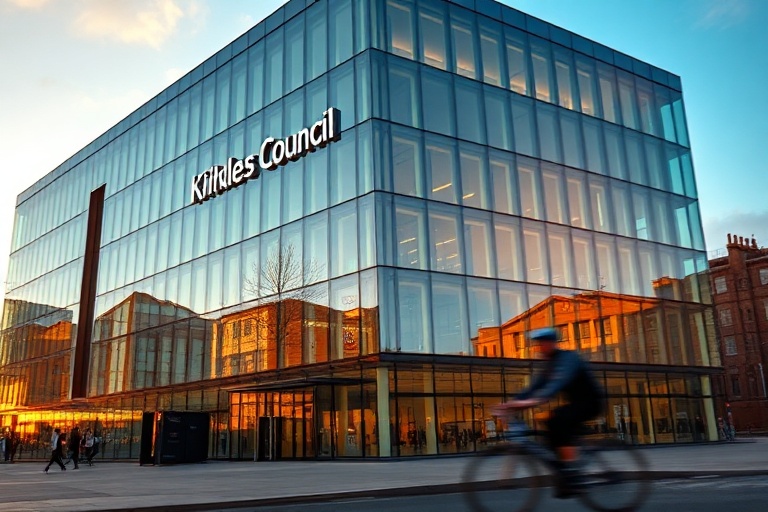
Local governance often operates in the shadows of national politics, but decisions made at the council level shape daily life in tangible ways. Kirklees Council, covering towns like Huddersfield, Dewsbury, and Batley, has found itself at the center of intense scrutiny in recent years. From balancing tight budgets to addressing housing shortages and infrastructure demands, the authority faces challenges familiar to many local governments across the UK. Yet Kirklees’ situation carries unique pressures, influenced by its industrial heritage, diverse population, and geographic challenges.
The Financial Tightrope: Funding and Fiscal Responsibility
Like countless local authorities, Kirklees Council has grappled with the dual pressures of rising costs and diminishing resources. Central government funding reductions since 2010 have forced councils to rethink service delivery, often with painful trade-offs. Kirklees’ budget reports reveal a pattern of difficult choices: closing libraries, reducing youth services, and scaling back road maintenance. These aren’t abstract policy decisions—they translate into real-world impacts for residents, particularly those in deprived wards.
In 2023, the council announced a £30 million budget gap for the following year. To close it, leaders proposed a 4.99% council tax increase—the maximum permitted without triggering a referendum—and significant cuts to discretionary spending. Councillors defended the move as necessary to protect core services, but opponents argued it disproportionately affected vulnerable communities. The debate highlighted a recurring tension in local politics: how to balance fiscal responsibility with social equity.
Council finance isn’t just about numbers on a spreadsheet; it reflects policy priorities. Kirklees’ investments in economic regeneration—such as the ongoing transformation of Huddersfield town centre—compete for funding with essential but less visible services like social care and waste collection. This balancing act has led to accusations of “prestige projects” overshadowing day-to-day needs, a criticism that echoes across many UK towns.
Housing, Infrastructure, and the Growth Paradox
Kirklees is experiencing growth pressures that mirror national trends but with localized intensity. The demand for housing has outstripped supply, particularly in areas near Leeds and Manchester, where commuters are relocating in search of more affordable options. Yet rapid development brings its own set of problems: strain on schools, pressure on GP surgeries, and concerns over greenbelt encroachment.
In response, Kirklees Council has adopted a Local Plan that aims to deliver 15,000 new homes by 2038. However, the plan has faced backlash from residents’ groups worried about overdevelopment and loss of character in villages like Marsden and Slaithwaite. The council argues that without planned growth, housing costs will spiral further, pricing out young families and key workers.
Infrastructure is another flashpoint. The A629 between Huddersfield and Halifax, a vital transport corridor, frequently clogs during peak hours. While major road schemes are often delayed by funding constraints, smaller-scale improvements—like better public transport links to employment hubs—remain underfunded. The council’s reliance on developer contributions (Section 106 agreements) to fund local amenities has also drawn criticism, with some arguing that it places an unfair burden on new housing projects.
- Housing target: 15,000 new homes by 2038, but contested in rural areas.
- Infrastructure strain: Congested roads and overstretched public services.
- Developer contributions: Increasingly used to fund schools and parks, raising affordability concerns.
- Greenbelt tension: Balancing growth with environmental protection.
Political Divisions and Public Trust
Kirklees Council is politically split, with no single party holding overall control. Labour currently leads a minority administration, but faces challenges from the Conservatives in traditional strongholds like Dewsbury and from the Liberal Democrats in suburban areas. This fragmented governance has slowed decision-making, particularly on contentious issues like school closures and parking zones.
Public trust has been further eroded by high-profile controversies. In 2021, the council faced criticism over the handling of a child safeguarding case, which led to an independent review and calls for cultural change within children’s services. More recently, concerns have been raised about transparency in procurement processes, following reports of irregularities in IT contract awards.
These issues matter because local councils are often the first point of contact between citizens and government. When trust erodes, civic engagement declines—fewer people attend meetings, fewer volunteer for community roles, and apathy can set in. Yet Kirklees has pockets of active civic participation, from climate action groups in Holmfirth to heritage campaigns in Batley. These efforts suggest that while institutional trust may be fragile, community resilience remains strong.
Looking Ahead: Challenges and Opportunities
The next few years will test Kirklees Council’s ability to adapt. The government’s proposed devolution deal for West Yorkshire—including potential new powers over transport and skills—could offer opportunities, but only if local leaders can demonstrate coordinated leadership. Meanwhile, the cost-of-living crisis continues to strain household budgets, increasing demand for council support services just as funding tightens.
One area of progress has been in digital transformation. Kirklees has invested in online service portals, reducing queues at council offices and improving access to information. Libraries, once threatened by cuts, are being reimagined as community hubs with co-working spaces and digital training. Such initiatives show that retrenchment doesn’t have to mean retreat—they can be opportunities to rethink service delivery.
Ultimately, the story of Kirklees Council is not unique, but it is instructive. It reflects the broader challenges facing local government across the UK: balancing budgets, meeting growth demands, and maintaining public trust in an era of uncertainty. How it navigates these challenges will shape not just the future of Kirklees, but offer lessons for other communities grappling with similar pressures.
For residents, the message is clear: engagement matters. Whether through attending council meetings, joining consultations, or volunteering in local initiatives, involvement is the best way to influence outcomes. For policymakers, the lesson is equally important: fiscal prudence must be matched with social justice, and long-term planning must include those who are often left behind.
As Kirklees moves forward, one thing is certain: the decisions made today will echo for decades—through the quality of schools, the state of roads, and the vibrancy of its communities.