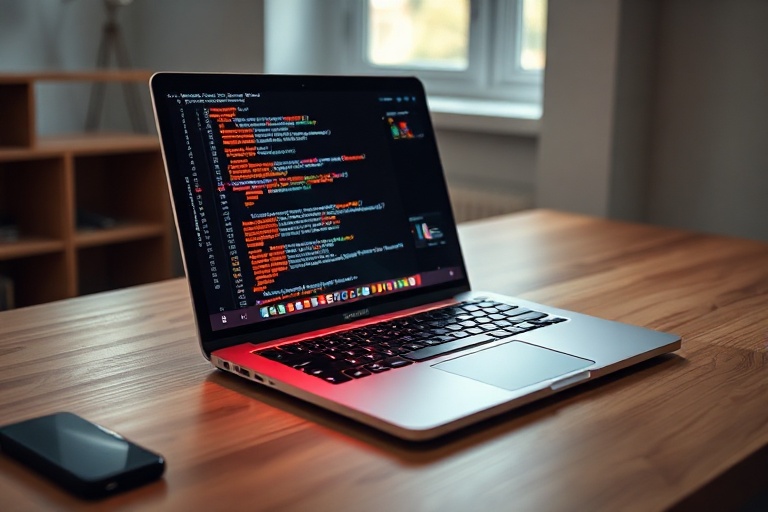
laptop
The laptop computer stands as one of the most transformative inventions of the modern era. What began as a bulky, expensive curiosity in the early 1980s has evolved into a sleek, indispensable tool found in homes, offices, and classrooms worldwide. Unlike desktop computers, which tether users to a single location, laptops brought computing to the user, enabling work, study, and entertainment on the go. Their development reflects broader technological and cultural shifts—from the rise of personal computing to the normalization of remote work and digital nomadism.
Today, the laptop is more than a machine; it’s a gateway to productivity, creativity, and connection. Yet its ubiquity masks the complexity of its design, the rapid pace of innovation, and the broader implications of its use. To understand the laptop’s role today, we must examine its history, assess its current impact, and consider what the future holds for this essential device.
The Origins and Evolution of the Laptop
The concept of a portable computer dates back to the 1970s, but the first true laptop—portable, battery-powered, and usable on one’s lap—emerged in the early 1980s. One of the earliest contenders was the Osborne 1, released in 1981. Weighing 24 pounds and featuring a tiny five-inch screen, it was more of a “luggable” than a modern laptop. Still, it proved that portability was possible and ignited interest in the category.
By the mid-1980s, companies like Toshiba and IBM began refining the form factor. The IBM 5100, released in 1975, was technically portable but not truly practical for most users. It wasn’t until 1989 that the term “laptop” became widely associated with a device we’d recognize today, thanks to the launch of the Grid Compass, designed for NASA and the military, and the Macintosh Portable from Apple. Though expensive and heavy by modern standards, these devices laid the groundwork for what was to come.
The 1990s marked a turning point. The launch of Windows 95 and the rise of the internet created demand for affordable, user-friendly laptops. Brands like Dell, HP, and Compaq democratized access with models priced under $1,000. The introduction of lithium-ion batteries improved portability, while thinner screens and better keyboards enhanced usability. By the late 1990s, the laptop began to replace the desktop in many settings, especially among students and professionals.
Entering the 21st century, the laptop evolved from a luxury item to a necessity. The 2007 introduction of the MacBook Air redefined expectations for thinness and design, while the rise of Chromebooks and budget Windows laptops made computing accessible to millions. Today, laptops come in a dizzying array of configurations: ultrabooks for professionals, gaming rigs with powerful GPUs, 2-in-1 convertibles that double as tablets, and rugged models built for outdoor use. The laptop has become a chameleon, adapting to nearly every use case imaginable.
How Laptops Changed Work, Education, and Culture
The laptop’s most profound impact has been on how and where we work. Before laptops, productivity was tied to physical offices. The rise of the internet and mobile computing shattered that constraint. By the mid-2000s, remote work began to grow, but it was the COVID-19 pandemic that accelerated the shift. Overnight, millions of people transitioned to working from home, relying almost entirely on laptops. According to a 2022 report from Stanford University, 42% of the U.S. workforce worked from home at least part-time—up from just 5% before the pandemic.
This shift has reshaped urban economies, real estate markets, and even social norms. Companies downsized office spaces, while cafes and co-working hubs became informal workspaces. The laptop became a symbol of flexibility and autonomy, empowering individuals to design their own work environments. Yet it also blurred the boundaries between work and personal life, contributing to burnout and digital fatigue.
In education, laptops have democratized learning. Programs like One Laptop per Child and initiatives by governments worldwide have distributed millions of devices to students in underserved communities. In higher education, laptops are now as essential as textbooks, enabling research, collaboration, and access to online courses. Platforms like Zoom and Google Classroom turned laptops into virtual classrooms during the pandemic, ensuring continuity of education despite physical closures.
Culturally, the laptop has influenced everything from film and music to social movements. Musicians compose entire albums on laptops using digital audio workstations. Filmmakers edit movies on portable machines. Social media, which thrives on constant connectivity, owes its existence to the ubiquity of laptops and smartphones. Movements like #MeToo and Arab Spring gained momentum through digital organizing, with laptops serving as tools of activism and change.
Key Impacts of Laptops on Society
- Workforce Transformation: Enabled remote work, flexible schedules, and the gig economy.
- Educational Access: Bridged gaps in digital literacy and provided tools for remote learning.
- Cultural Production: Democratized creative fields like music, film, and writing.
- Social Connectivity: Facilitated global communication and community-building online.
- Environmental Concerns: Raised questions about e-waste and the sustainability of rapid device turnover.
The Laptop in 2024: Trends, Challenges, and Choices
As of 2024, the laptop market is more diverse than ever. Consumers face a bewildering array of choices, from ultra-light notebooks to high-performance gaming machines. One of the most significant trends is the rise of AI-powered laptops. Companies like Microsoft and Dell have integrated AI features that optimize battery life, manage performance, and even assist with writing and coding. These devices learn user behavior and adapt over time, blurring the line between tool and assistant.
Another trend is sustainability. With growing awareness of e-waste, manufacturers are under pressure to design longer-lasting products. Companies like Framework have pioneered modular laptops, allowing users to replace individual components like RAM, storage, and even the screen. This approach extends the lifespan of devices and reduces electronic waste. Meanwhile, Apple and others are using recycled materials and offering trade-in programs to encourage responsible consumption.
Yet challenges remain. The average lifespan of a laptop has decreased due to software bloat, planned obsolescence, and the demand for cutting-edge performance. Many users feel compelled to upgrade every few years, even if their current device still functions. This cycle contributes to environmental strain and financial burden. Additionally, the cost of high-end laptops remains prohibitive for many, particularly in developing regions where access to technology is still limited.
Security is another growing concern. As laptops become central to both personal and professional lives, they become targets for cyberattacks. Phishing, ransomware, and data breaches are on the rise, particularly for remote workers. Companies are investing in endpoint security solutions, while individuals are urged to adopt strong passwords, two-factor authentication, and regular software updates.
What’s Next for the Laptop?
The future of the laptop is likely to be defined by three forces: integration, intelligence, and sustainability. We are already seeing the rise of hybrid devices that blend the capabilities of laptops with tablets and even smartphones. Foldable screen laptops, like Lenovo’s ThinkPad X1 Fold, offer new form factors that could redefine how we interact with machines. These devices promise greater versatility but also raise questions about durability and usability.
Artificial intelligence will continue to play a larger role. Future laptops may not only assist with tasks but anticipate needs, manage schedules, and even participate in creative processes. Imagine a laptop that drafts emails based on your tone, suggests edits to your code, or composes music in real time. While these capabilities raise ethical questions about autonomy and creativity, they also open new frontiers in productivity and innovation.
Sustainability will remain a critical focus. The tech industry is under increasing scrutiny for its environmental impact, and laptop manufacturers are responding with greener designs, longer warranties, and better recycling programs. The push for repairability and longevity could redefine consumer expectations, moving away from disposable tech toward durable, upgradeable devices.
Finally, the laptop’s role in global connectivity cannot be overstated. As internet access expands to remote and underserved regions, laptops will serve as gateways to information, education, and economic opportunity. Initiatives like Starlink and community networks are bringing connectivity to rural areas, and affordable laptops are following closely behind. In this context, the laptop is not just a device—it’s a tool for empowerment and equity.
Looking Ahead: Three Scenarios for the Laptop’s Future
- Scenario 1: The Modular Revolution: Laptops become fully modular, with users upgrading components like swapping out LEGO bricks. This extends device lifespans and reduces waste.
- Scenario 2: AI-Powered Companions: Laptops evolve into intelligent assistants that manage not just work, but personal well-being, health tracking, and even emotional support.
- Scenario 3: Disappearance into the Cloud: As cloud computing matures, the need for local processing power may decline, leading to ultra-thin “dumb terminals” that rely entirely on remote servers.
Regardless of the path, one thing is certain: the laptop will continue to shape how we live, work, and connect. Its story is far from over, and its next chapter may be even more transformative than the last.
Conclusion
The laptop began as a bold experiment in portability and has grown into a cornerstone of modern life. It has redefined work, education, and culture, enabling unprecedented flexibility and connectivity. Yet it has also introduced new challenges, from environmental concerns to cybersecurity risks and social inequality. As we look to the future, the laptop’s evolution will be shaped by our values—sustainability, accessibility, and innovation.
For consumers, the message is clear: choose wisely, use responsibly, and demand better from the industry. For manufacturers,