laptop
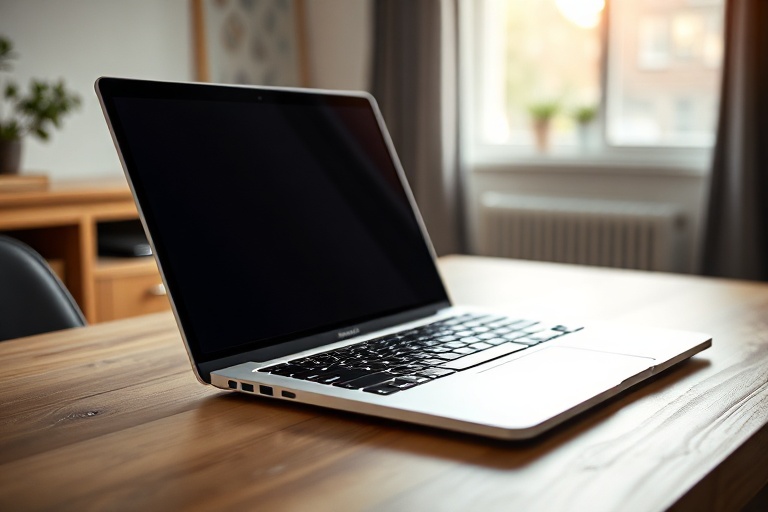
The laptop computer stands as one of the most transformative inventions of the late 20th century. From corporate boardrooms to remote villages, this compact machine has redefined how people create, communicate, and consume information. Its evolution reflects broader shifts in technology, economics, and culture—mirroring humanity’s relentless pursuit of mobility without compromise.
Unlike desktop computers that tether users to a single location, laptops introduced true portability. They made it possible to write a novel on a train, edit a video in a café, or teach a class in a field. This flexibility didn’t just change where work happened—it changed what work could be. Today, over 1.5 billion laptops are in use worldwide, a testament to their enduring relevance in an increasingly digital world.
The Evolution of the Laptop: From Luggable to Lightweight
The first “portable” computers of the 1980s were far from the sleek devices we know today. The Osborne 1, released in 1981, weighed 24 pounds and required a suitcase for transport. Its five-inch screen and lack of a battery meant it was more of a “luggable” than a true laptop. Yet, it proved the concept: computing could leave the office.
By the mid-1980s, IBM and Toshiba began refining the form factor. The IBM PC Convertible, launched in 1986, introduced the familiar clamshell design and floppy disk drives. It weighed just under 13 pounds—a dramatic reduction, though still cumbersome by modern standards. The real breakthrough came in 1989 with the Apple Macintosh Portable, which featured a built-in handle and a more balanced weight distribution. Though expensive and short-lived, it set the stage for the PowerBook series, which popularized the trackball and ergonomic keyboard.
The 1990s brought rapid innovation. Intel’s introduction of the Pentium processor and Microsoft’s Windows 95 operating system created a standardized platform. Meanwhile, Sony and Compaq pushed boundaries in design, reducing weight and improving battery life. By the year 2000, the average laptop weighed under six pounds and boasted five hours of battery life—transforming them from niche tools into everyday essentials.
A Global Perspective: Laptops in Different Cultures
Laptops are not just tools; they are cultural artifacts that reflect local values, economic realities, and educational priorities. In Japan, for instance, ultra-slim laptops like the Sony VAIO became status symbols, embodying the country’s aesthetic appreciation for minimalism and precision engineering. The VAIO’s design philosophy—clean lines, premium materials, and quiet operation—aligned with Japan’s cultural emphasis on harmony and refinement.
In India, laptops have become vital to digital inclusion. The government’s Digital India initiative, launched in 2015, distributed low-cost laptops to students in rural areas, aiming to bridge the digital divide. Brands like Acer and Lenovo responded with rugged, affordable models designed for dusty environments and unreliable power grids. These laptops often feature spill-resistant keyboards and long battery life—adaptations born from necessity rather than luxury.
In Scandinavia, sustainability drives laptop design. Swedish company Framework Computer, founded in 2020, pioneered the “modular laptop,” allowing users to upgrade components like RAM, storage, and even the screen. This approach reduces e-waste and aligns with the region’s strong environmental ethos. It’s a stark contrast to the disposable electronics culture that dominates in many Western markets.
Meanwhile, in sub-Saharan Africa, laptops are transforming education. Programs like One Laptop per Child (OLPC) have distributed millions of low-power, durable laptops to children in countries like Rwanda and Ethiopia. These devices often run on open-source software and include solar charging options—critical features in areas with limited electricity. Here, laptops are not just productivity tools; they are instruments of social mobility.
Why the Laptop Remains Indispensable in a Smartphone World
As smartphones grew more powerful, some predicted the death of the laptop. Yet, the laptop has endured because it fulfills needs that mobile devices cannot. A smartphone screen, even at 6.5 inches, pales in comparison to a 15-inch laptop display when editing a spreadsheet or designing a logo. The tactile feedback of a physical keyboard remains unmatched for long-form writing. And while tablets offer touch input, they struggle to replicate the multitasking capabilities of a full desktop operating system.
Laptops also serve as hubs for creativity. Video editors, 3D animators, and music producers rely on the processing power of laptops with dedicated GPUs and high-speed storage. Even gamers, who once dismissed laptops as inferior to desktops, now turn to gaming laptops with NVIDIA RTX graphics and high-refresh-rate displays. The rise of cloud gaming services like GeForce NOW has further blurred the line between laptop and console, allowing AAA titles to run on portable hardware.
Another key advantage is security. Unlike smartphones, which are often tied to personal accounts and cloud backups, laptops allow for full system encryption, biometric authentication, and offline data storage. This makes them preferable for professionals handling sensitive information—lawyers, journalists, and healthcare workers among them.
- Productivity: Laptops support multiple applications, external monitors, and peripherals like mice and printers—ideal for office work and creative projects.
- Versatility: They can run everything from CAD software to virtual machines, accommodating diverse professional needs.
- Collaboration: Video conferencing, screen sharing, and file synchronization are seamless on laptops, making them essential for remote teams.
- Future-proofing: Modular and upgradeable laptops ensure longevity, reducing the need for frequent replacements.
The Future of Laptops: AI, Foldables, and Beyond
The next chapter of laptop evolution is being written at the intersection of artificial intelligence and flexible displays. Companies like Lenovo, Dell, and Samsung are investing heavily in foldable laptops—devices with screens that bend like paper yet retain the functionality of a traditional display. The Lenovo ThinkPad X1 Fold, for example, transforms from a 13-inch tablet into a dual-screen laptop, offering new ways to multitask.
Artificial intelligence is also reshaping how laptops operate. Modern systems integrate AI-driven features such as real-time noise cancellation, automatic document formatting, and predictive text input. Intel’s Meteor Lake processors, released in 2023, include a dedicated AI engine that enhances performance while reducing power consumption. These advancements are making laptops smarter, quieter, and more efficient.
Sustainability continues to be a driving force. The European Union’s Right to Repair directive, set to take full effect in 2025, will require manufacturers to provide spare parts and repair manuals for laptops. This policy aims to combat planned obsolescence and reduce electronic waste—a growing concern as global e-waste reached 59 million tons in 2022.
Looking further ahead, we may see laptops powered by graphene batteries—offering faster charging and longer life—or even quantum computing chips integrated into portable devices. The boundaries between laptop, tablet, and even smartphone are blurring, but one thing remains clear: the need for a portable, powerful computing device is stronger than ever.
A Lasting Legacy
From the factory floors of Shenzhen to the classrooms of Nairobi, laptops have become a universal language of progress. They’ve enabled millions to work, learn, and connect in ways previously unimaginable. They’ve also highlighted the digital divide—not everyone has equal access—and underscored the importance of inclusive design.
As we move toward an increasingly interconnected world, the laptop will continue to evolve. But its core value—liberating human potential from the constraints of physical space—will remain unchanged. Whether you’re a student in Mumbai, a freelancer in Berlin, or a gamer in São Paulo, the laptop stands ready to adapt, empower, and endure.
In an era where technology often feels ephemeral, the laptop endures because it adapts without abandoning its purpose. It is both a tool and a symbol: a testament to human ingenuity and the relentless drive to make the world more accessible, one keystroke at a time.
For those looking to explore the best laptops suited to different needs, our Technology category offers curated recommendations and in-depth reviews. Whether you’re a professional, a student, or a creator, there’s a laptop designed to meet your demands—today and tomorrow.