Leeds City Council Election Results: What They Mean for the City
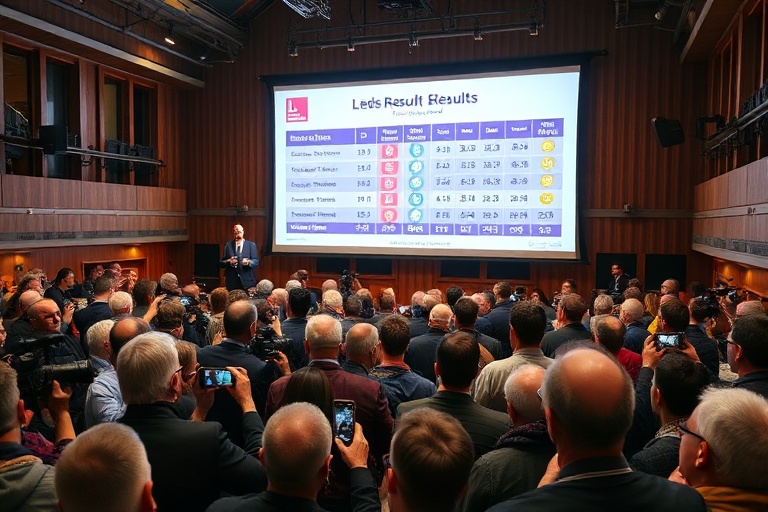
Leeds, a city known for its vibrant culture and economic resilience, has once again demonstrated the power of local democracy through its recent City Council elections. Held amidst a backdrop of global economic uncertainty and shifting political priorities, these elections have not only reshaped the local political landscape but also offered insights into broader societal trends.
The results reflect a city in transition, where traditional loyalties are being tested by new voices and emerging concerns. While the Labour Party maintained its stronghold, the gains made by smaller parties and independent candidates signal a growing appetite for change among voters.
Key Takeaways from the Election Results
The most significant outcome was the Labour Party’s continued dominance, securing a majority of seats on the council. This aligns with the party’s historical stronghold in northern English cities, where it has traditionally held significant influence. However, the margin of victory was narrower than in previous years, suggesting a gradual erosion of unchallenged control.
Among the notable shifts was the rise of the Green Party, which managed to double its representation on the council. This growth mirrors a national trend, where environmental concerns have become a defining issue for many voters, particularly younger demographics. The Greens’ success in Leeds reflects a broader cultural shift toward sustainability and climate action.
Independent candidates also made unexpected gains, particularly in wards where community-specific issues took center stage. These victories highlight the importance of local issues in shaping electoral outcomes, a phenomenon observed in cities across the globe where residents feel disconnected from traditional party politics.
Turnout and Voter Engagement
Voter turnout in Leeds reached 38.7%, a modest increase from previous years but still below the national average. This figure underscores the challenges faced by local governments in engaging citizens, particularly younger voters who are increasingly drawn to national or global political movements.
The turnout was notably higher in wards with competitive races, suggesting that voters are more likely to participate when they feel their vote could make a tangible difference. This trend has been observed in other major cities, where marginal seats often see spikes in engagement.
Efforts to boost participation included targeted campaigns in diverse communities, recognizing the importance of inclusive electoral processes. Cities like Toronto and Berlin have faced similar challenges, where outreach programs have been crucial in bridging gaps in voter engagement.
Global Context: How Leeds Compares to Other Cities
Leeds’ election results can be viewed through a global lens, offering insights into how urban centers are navigating political and social changes. In cities like Barcelona and Amsterdam, similar shifts have occurred, with green parties gaining ground as environmental issues rise in prominence. The success of independent candidates in Leeds also echoes trends in places like Milan, where local issues often drive electoral outcomes.
Economically, Leeds remains a key player in the UK’s urban landscape, with a thriving service sector and a growing reputation as a cultural hub. The election results suggest that while the city’s political future remains tied to traditional parties, there is a growing recognition of the need for innovative solutions to pressing issues like housing affordability and public transport.
Globally, cities are increasingly becoming the focal points of political activity, often outpacing national governments in addressing issues like climate change and social inequality. Leeds’ election results reflect this broader trend, where local governance is seen as a more immediate and effective means of driving change.
Challenges Ahead for the New Council
The newly elected council faces a range of challenges, from addressing the housing crisis to improving public services in the face of budget constraints. One of the most pressing issues is the need to balance economic growth with sustainability, a challenge shared by cities worldwide.
The council’s ability to navigate these issues will be closely watched, particularly as Leeds positions itself as a leader in urban innovation. Cities like Copenhagen and Singapore have demonstrated how effective local governance can drive progress, offering valuable lessons for Leeds.
The new council will also need to address concerns about transparency and accountability, areas where local governments often struggle. Building trust with residents will be key to ensuring long-term stability and progress.
What the Results Mean for Leeds’ Future
The election results suggest that Leeds is at a crossroads, with opportunities for both continuity and change. Labour’s continued dominance ensures stability, but the rise of the Greens and independent candidates indicates a demand for fresh approaches.
For residents, the results signal a need to remain engaged with local politics, ensuring that the council’s actions align with the city’s evolving priorities. This engagement will be crucial in shaping a future that balances tradition with innovation.
Looking ahead, Leeds has the potential to serve as a model for other cities navigating similar challenges. By embracing diversity in its political representation and addressing local issues with global solutions, Leeds can continue to thrive in an ever-changing world.
For those interested in exploring how these trends compare to other cities, international news offers valuable insights into how urban centers worldwide are adapting to political and social shifts.