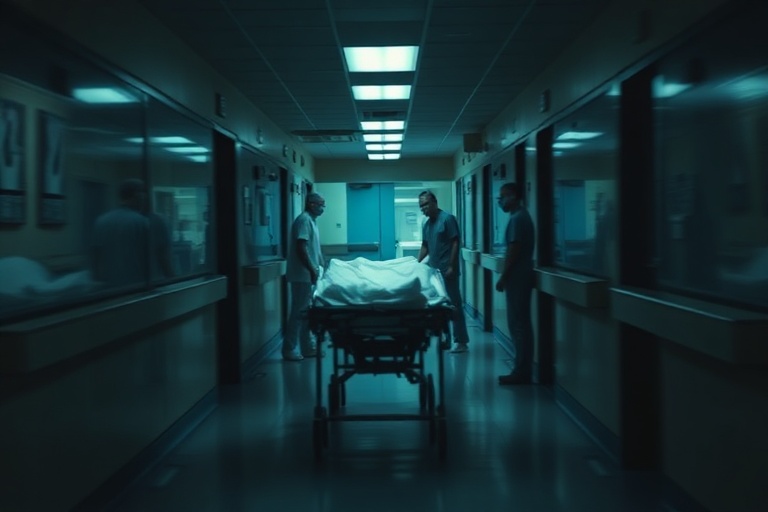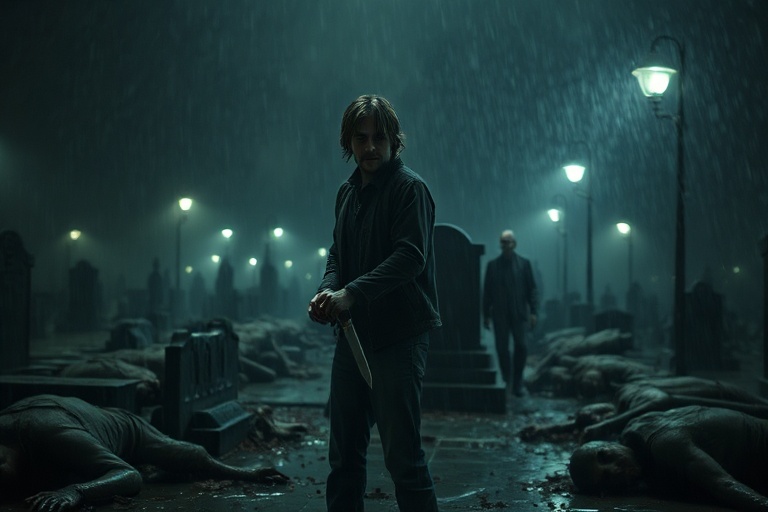
Survival horror has always thrived on desperation, and few games embody that desperation as viscerally as Resident Evil 4. Released in 2005, the title wasn’t just a refinement of the formula—it was a reinvention. At its core stood Leon S. Kennedy, a character who evolved from a rookie cop into one of gaming’s most enduring action heroes. But what if Leon had died in the line of duty before completing his mission?
That grim hypothetical forms the foundation of the fan-made game Leon Must Die, a passion project that reimagines Resident Evil 4 with a darker twist. It’s not an official sequel or remake, but a bold reinterpretation that has captivated horror fans worldwide. More than just a fangame, it challenges players to confront failure—and to ask what survival truly means when the hero falls.
The Genesis of a Dark Fan Vision
Fan projects often emerge from love for a series, but Leon Must Die was born from a deeper obsession. Developed by a small, dedicated team over several years, the game reimagines Leon’s story with a fatal twist: he dies during the opening chapter. The player doesn’t control Leon. Instead, they control a mysterious figure known only as “The Stranger,” tasked with resurrecting him in a nightmarish world where time has fractured.
This narrative inversion is more than a gimmick. It flips survival horror on its head. In the original Resident Evil 4, Leon fights to survive. In Leon Must Die, survival itself is the puzzle. The game blends elements of psychological horror, time manipulation, and gothic atmosphere, drawing comparisons to titles like Silent Hill and Dark Souls.
The project gained traction not just for its premise, but for its meticulous production quality. The team behind it leveraged modern game engines, motion capture, and voice acting to create a polished experience that rivals commercial titles. It’s a testament to how passionate communities can push boundaries when given the tools and freedom to experiment.
A Global Fandom Takes Shape
Leon Must Die didn’t stay confined to niche gaming forums. It spread organically across platforms like YouTube, Twitch, and Discord, fueled by a wave of Let’s Plays, speedruns, and analytical deep dives. The game’s international appeal is striking—players from Brazil, Japan, Germany, and the U.S. have all contributed to its growing legacy.
What unites this global audience? A shared love for Resident Evil, certainly. But also a hunger for stories that subvert expectations. In an era where blockbuster games often prioritize accessibility over tension, Leon Must Die offers something raw and unpredictable. It’s survival horror stripped of its safety net.
Online communities have sprung up around the game, sharing theories about its lore, debating its mechanics, and even creating fan art and music inspired by its haunting atmosphere. The game’s ambiguous ending has sparked countless discussions about identity, destiny, and the cost of resurrection—topics that resonate across cultures.
Survival Horror Meets Narrative Experimentation
To understand Leon Must Die, it’s essential to revisit its spiritual predecessor, Resident Evil 4. That game redefined the genre by shifting from fixed camera angles to an over-the-shoulder perspective, blending action with terror. It was a masterclass in pacing—tense exploration, sudden ambushes, and a relentless sense of dread.
Leon Must Die takes those elements and bends them into something stranger. The world is still recognizable—Spanish villages, haunted castles, and grotesque enemies—but the tone is darker, more surreal. The game’s use of time isn’t just a mechanic; it’s a narrative device. Players manipulate temporal loops, revisit past events, and witness the consequences of failure in ways that feel deeply personal.
The result is a game that feels both familiar and alien. Fans of Resident Evil will recognize the DNA, but newcomers will find a world that defies genre conventions. It’s a reminder that survival horror isn’t just about jump scares or resource management—it’s about psychological endurance.
A New Kind of Horror Protagonist
The original Leon Kennedy was defined by his resilience. He was the everyman who kept pushing forward, even when the odds were impossible. In Leon Must Die, that resilience is shattered. The game forces players to confront failure not as a temporary setback, but as a permanent state.
This shift in perspective is radical. In most games, death is a reset button. In Leon Must Die, death is the starting point. The player’s goal isn’t to survive the story—it’s to survive the act of telling it. That inversion forces a deeper emotional investment. Players aren’t just controlling a character; they’re negotiating with fate itself.
It’s a theme that resonates globally. Across cultures, stories of resurrection often carry moral weight—think of Orpheus descending into the underworld, or the Buddha’s journey through the realms of death. Leon Must Die taps into that universal fascination with crossing boundaries, even when the cost is high.
The Cultural Impact of Fan-Made Horror
Fan-made games like Leon Must Die highlight a growing trend in the gaming industry: the blurring line between creator and audience. With accessible tools like Unreal Engine and Unity, anyone can build a game that challenges conventions. But what makes Leon Must Die stand out is its ambition.
It’s not just a passion project—it’s a cultural artifact. It reflects a moment in gaming where players are hungry for experiences that feel personal, risky, and unfiltered. In an era dominated by live-service games and polished AAA titles, Leon Must Die offers something raw and unpredictable.
Its success also raises questions about the future of survival horror. If a fan game can achieve this level of depth and engagement, what does that say about the industry’s willingness to take risks? The rise of indie horror games like Signalis and Amnesia: The Bunker suggests that audiences crave stories that challenge them emotionally and narratively.
For aspiring developers, Leon Must Die serves as both inspiration and cautionary tale. It proves that passion can overcome technical limitations, but it also underscores the importance of community support and clear vision. The team behind the game didn’t just build a game—they built a movement.
Where Does the Story Go From Here?
The future of Leon Must Die remains uncertain. As a fan project, its development is driven by volunteer efforts and crowdfunding. The team has hinted at potential expansions or sequels, but for now, the focus is on refining the existing game and expanding its narrative.
One possibility is that the game could evolve into a full-fledged commercial project. Given the rising popularity of narrative-driven horror games, it’s not out of the question. Alternatively, it could remain a cult phenomenon—a testament to the power of fandom in shaping gaming culture.
Regardless of its path, Leon Must Die has already made its mark. It’s a reminder that survival horror isn’t just a genre—it’s a mindset. And in a world where so many games prioritize spectacle over substance, it’s refreshing to find a project that dares to be bold, dark, and deeply personal.
For fans of Resident Evil and horror in general, the game offers a new lens through which to view the series. It challenges players to ask: What happens when the hero falls? Can survival exist without hope? And most importantly, what does it mean to keep fighting, even when the odds are impossible?
Those questions linger long after the final credits roll—a rare achievement in any medium.