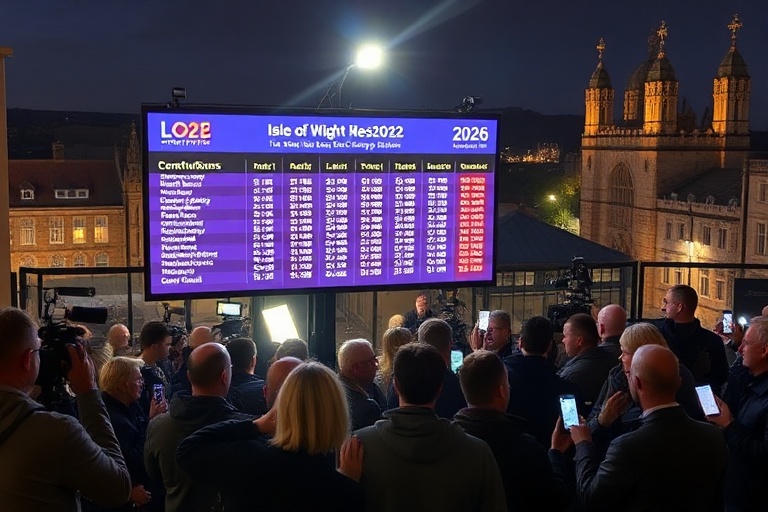
Milton Keynes, a town often celebrated for its modern urban planning and rapid growth, faces another pivotal moment in its political landscape with the 2026 local elections. Unlike traditional British towns rooted in centuries of history, Milton Keynes was designed in the late 20th century as a “new town,” reflecting post-war ambitions for progress and innovation. Yet, as the 2026 elections approach, the town’s future is being debated through the same lenses shaping cities worldwide: housing affordability, public services, and environmental sustainability.
These elections will not only determine the leadership of Milton Keynes Council but also serve as a microcosm for broader trends in British local governance. With rising costs of living and shifting political priorities, the decisions made in Milton Keynes could influence how similar towns navigate the challenges of the 2020s and beyond.
The Key Issues Dominating the Campaign Trail
As candidates from major parties—Conservative, Labour, Liberal Democrats, and Green—prepare for the campaign, several recurring themes have emerged. Housing remains the most pressing concern. Milton Keynes has experienced significant population growth, with demand for homes outpacing supply. The average house price in the town now exceeds £350,000, placing homeownership out of reach for many young families.
- Housing Crisis: The shortage of affordable housing has led to overcrowded rental markets and long waiting lists for social housing. Local activists argue that current policies fail to address the needs of low-income residents.
- Public Transport: Despite Milton Keynes’ reputation for innovative urban design, its public transport system lags behind. Commuters face unreliable bus services and limited rail connectivity, particularly in outer areas.
- Environmental Initiatives: Climate change has become a central issue. Residents demand better waste management, more green spaces, and policies to reduce carbon emissions. The council’s commitment to achieving net-zero by 2030 is under scrutiny.
- Economic Development: Milton Keynes is a hub for business, home to companies like Santander and Marshall Amplification. Yet, local entrepreneurs argue that infrastructure improvements are needed to support small businesses and attract investment.
These issues resonate beyond Milton Keynes, mirroring debates in other fast-growing towns across the UK and Europe. In cities like Reading and Cambridge, similar challenges around housing and transport have sparked political movements demanding systemic change. The outcome of Milton Keynes’ elections could set a precedent for how such towns balance growth with livability.
The Political Landscape: Who Holds the Power?
Milton Keynes Council has historically been a battleground between the Conservatives and Labour, with the Liberal Democrats and Greens making inroads in recent years. The 2026 elections will test whether these smaller parties can consolidate their influence or if traditional power structures will prevail.
The Conservatives, currently in control, face pressure from both the left and right. While they champion economic development, critics argue their policies have exacerbated inequality. Labour, meanwhile, is pushing for greater investment in public services and housing, appealing to younger voters disillusioned with the status quo. The Liberal Democrats, traditionally strong in local governance, are focusing on transport and environmental issues, while the Greens are rallying around climate activism.
One wildcard in the race is the influence of independent candidates. In 2023, independents won seats in nearby towns by capitalizing on local frustrations with mainstream politics. Could Milton Keynes see a similar trend?
Global Context: How Milton Keynes Reflects Worldwide Trends
Milton Keynes’ challenges are not unique. Across the globe, cities and towns designed for growth face similar dilemmas. In the United States, cities like Austin and Denver grapple with housing shortages and rising costs. In Europe, towns in Germany and the Netherlands are rethinking urban planning to prioritize sustainability. Milton Keynes’ experience offers a case study in how planned communities adapt to unforeseen pressures.
One notable parallel is Singapore, a city-state that, like Milton Keynes, was designed as a modern urban center. Singapore’s success in balancing growth with livability—through strict housing policies and green initiatives—has made it a model for other cities. Could Milton Keynes take inspiration from such examples?
Yet, there are also cautionary tales. In China, rapid urbanization led to environmental degradation and social inequality. Milton Keynes’ leaders must navigate these risks, ensuring that growth does not come at the expense of social cohesion or environmental health.
What’s Next for Milton Keynes?
The 2026 local elections will be a referendum on the town’s priorities. Will voters prioritize economic growth, even if it means higher costs and environmental trade-offs? Or will they demand a shift toward affordability, sustainability, and community well-being?
Regardless of the outcome, one thing is clear: Milton Keynes’ experience will resonate far beyond its borders. As towns worldwide confront the legacies of post-war planning, the decisions made in this planned city could offer lessons—or warnings—for others.
For those interested in the broader implications of local governance, the Politics section of Dave’s Locker offers deeper analysis on how municipal decisions shape national trends. Meanwhile, the Culture section explores how urban planning influences community identity and social dynamics.
The 2026 elections are more than a local contest; they are a snapshot of the challenges and opportunities facing towns designed for the future. Milton Keynes, with its blend of innovation and ambition, stands at the forefront of this conversation.