dubai international airport
Dubai International Airport: The Global Gateway Bridging Continents
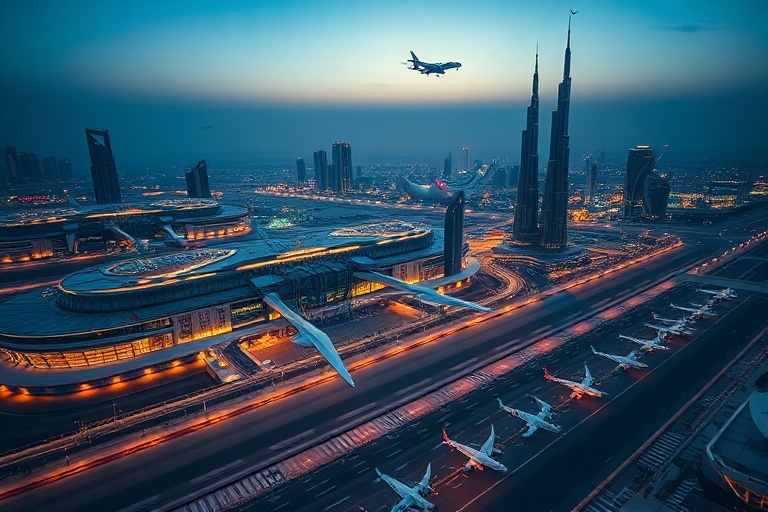
Dubai International Airport (DXB) stands as more than just a transit point—it is a symbol of global connectivity, architectural ambition, and economic ambition. Since its opening in 1960, DXB has evolved from a modest airstrip into one of the world’s busiest aviation hubs, serving over 260 destinations across six continents. Its rise reflects Dubai’s transformation from a small Gulf port into a cosmopolitan metropolis that thrives on movement, trade, and tourism.
The airport’s strategic location at the crossroads of Europe, Asia, and Africa gives it a unique advantage. Flights from DXB to destinations in Africa and South Asia often take less time than from European hubs, making it a preferred stopover for travelers and cargo alike. This geographic sweet spot has turned DXB into a vital artery in the global supply chain, supporting industries from perishable goods to high-tech manufacturing.
The Infrastructure: A Marvel of Modern Aviation
Dubai International Airport is not just large—it is meticulously designed to handle massive volumes with efficiency and comfort. Terminal 3, the largest building in the world by floor space, handles the majority of Emirates airline operations and reflects the airline’s commitment to luxury travel. With its high ceilings, marble floors, and expansive duty-free zones, the terminal feels less like a transit area and more like a luxury shopping mall or five-star hotel.
The airport has also pioneered automation and smart technology. Self-service kiosks, biometric screening, and AI-powered baggage handling systems have streamlined operations, reducing wait times and enhancing security. These innovations are not merely technological upgrades—they are part of Dubai’s broader vision to become a smart city where efficiency and sustainability go hand in hand.
In 2024, DXB completed the construction of Concourse D, a dedicated facility for budget airlines and regional carriers. This expansion underscores the airport’s adaptive strategy, balancing luxury with accessibility and ensuring it remains inclusive for travelers of all budgets.
A Cultural Crossroads: More Than Just a Transit Hub
DXB is more than a functional space—it is a cultural nexus. The airport welcomes over 90 million passengers annually, representing nearly every nationality on earth. This diversity is evident in the food courts, where sushi bars sit beside shawarma stands and traditional Arabic cafes. The duty-free shops offer everything from Swiss watches to Indian spices, reflecting the tastes and demands of a global clientele.
The airport also serves as a stage for cultural diplomacy. During the month of Ramadan, DXB adjusts its dining options to include Iftar meals. During Diwali, it illuminates its interiors with festive displays. These gestures are not performative—they are part of Dubai’s identity as a tolerant, inclusive city that celebrates diversity without erasing its own heritage.
Moreover, DXB has become a destination in itself. The airport’s observation decks, luxury lounges, and even its mosque—located between Terminals 1 and 3—are visited by travelers who treat the airport as a sightseeing attraction. This dual role—as both a gateway and a destination—has redefined what an airport can be.
Economic Impact: Fueling Dubai’s Growth Engine
The airport’s contribution to Dubai’s economy is immense. Aviation supports over 30% of Dubai’s GDP, with DXB acting as the primary engine. The airport supports more than 90,000 jobs directly and indirectly, from pilots and engineers to retail staff and hospitality workers.
DXB is also a cornerstone of Dubai’s ambition to become a global logistics hub. The airport handles over 2.8 million tons of cargo annually, making it the world’s third-busiest cargo airport. Its proximity to Jebel Ali Port, the largest man-made harbor in the world, creates a seamless link between air and sea freight, enabling just-in-time delivery for industries ranging from electronics to pharmaceuticals.
The airport’s success has attracted global airlines to launch hub operations in Dubai, reinforcing its role as a connecting point. Airlines like Emirates, flydubai, and Air Arabia have built their business models around DXB’s connectivity, turning it into a launchpad for long-haul services to underserved markets in Africa and Central Asia.
Challenges and the Road Ahead
Despite its success, DXB faces challenges. Airspace congestion, environmental concerns, and competition from neighboring airports like Abu Dhabi’s Zayed International Airport and Saudi Arabia’s new NEOM airports pose risks. DXB’s expansion is limited by its location within an urban area, making runway expansions difficult. As a result, Dubai has invested in Al Maktoum International Airport (DWC), a second airport designed to handle future growth.
Environmental sustainability is another pressing issue. DXB has committed to reducing carbon emissions and improving fuel efficiency. Initiatives like electric ground service vehicles and solar-powered facilities are steps toward a greener future. Still, balancing growth with environmental responsibility remains a delicate act.
Looking ahead, DXB is preparing for Expo City Dubai 2025 and potential tourism surges from global events. The airport is also expanding its digital infrastructure, integrating blockchain for cargo tracking and AI for predictive maintenance. These efforts are not just about staying competitive—they are about redefining the future of air travel.
Why DXB Matters Beyond Aviation
Dubai International Airport is a case study in how infrastructure can shape a nation’s destiny. It transformed Dubai from a regional trading post into a global city in less than three decades. Its success has inspired other cities in the Middle East and beyond to invest in aviation as a catalyst for economic development.
The airport also reflects broader geopolitical shifts. As traditional hubs like London Heathrow and New York JFK face capacity constraints, DXB has stepped into a leadership role. It has redefined what a global hub can look like—efficient, luxurious, and culturally inclusive.
For travelers, DXB is more than a layover. It is an experience—a moment of transition between cultures, a pause in a journey that spans continents. Whether you’re a business executive sipping coffee in a lounge with a view of the runway or a family exploring the world for the first time, DXB offers more than transit. It offers a glimpse of the future.
As Dubai continues to grow, so too will DXB. It will remain a symbol of ambition, a bridge between worlds, and a testament to what happens when vision meets execution.
Plan Your Next Journey Through DXB
Dubai International Airport is not just a stopover—it’s a destination worth exploring. Whether you’re connecting between flights or planning a layover, consider visiting the travel and culture sections on Dave’s Locker for more insights on destinations, cultural etiquette, and travel tips. From navigating the airport’s luxury lounges to understanding Dubai’s visa policies, preparation can turn a routine transit into a memorable experience.
Safe travels, and may your next journey begin—or end—at DXB.