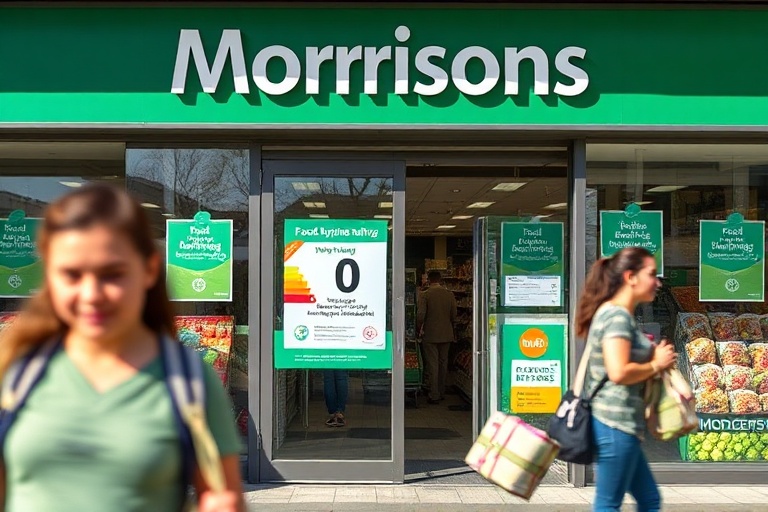
The Morrisons store in Cwmbran, South Wales, has been fined £30,000 following multiple food hygiene violations identified during an unannounced inspection. The enforcement action comes after environmental health officers discovered serious breaches that posed potential risks to public health.
How the Inspection Unfolded
Environmental health inspectors visited the Morrisons branch in Cwmbran in late 2023 as part of a routine audit. However, what began as a standard check quickly escalated into a detailed investigation after officers identified several concerning issues. These ranged from improper food storage to inadequate temperature controls, all of which can lead to foodborne illness.
The inspection report, later released under a Freedom of Information request, outlined a series of failures. Among the most notable were:
- Improper refrigeration of high-risk foods, with temperatures recorded above safe levels
- Inadequate cleaning and sanitization of food preparation surfaces
- Failure to ensure staff followed proper handwashing procedures
- Lack of traceability in food sourcing, particularly for meat products
These lapses were not isolated incidents but part of a pattern observed over several months. The report noted that some issues had been previously identified in earlier inspections but remained unresolved, raising questions about Morrisons’ internal compliance systems.
Legal and Financial Consequences
The case proceeded to Torfaen Magistrates’ Court, where Morrisons pleaded guilty to four charges under the Food Safety and Hygiene (England) Regulations 2013. The charges included failing to ensure food was stored at safe temperatures and not maintaining adequate records for food traceability. The company was fined £30,000 and ordered to pay £1,500 in costs, a relatively steep penalty for a single store.
While Morrisons has not publicly commented on the specific failures, a spokesperson stated that the company takes food safety “extremely seriously” and that corrective measures had been implemented. However, the timing of the fine—coming shortly after a series of similar cases across the UK—suggests that regulators are taking a harder line on food hygiene compliance.
This is not the first time Morrisons has faced enforcement action. In 2022, a store in Manchester was fined £18,000 for similar violations. Such repeated incidents could indicate systemic issues within the company’s food safety protocols, particularly in larger or older stores where infrastructure may be outdated.
Broader Implications for Supermarkets
The Cwmbran case reflects a growing trend in food safety enforcement. Local authorities across the UK have increased inspections following high-profile incidents, such as the 2021 listeria outbreak linked to a major supermarket chain. These events have put pressure on regulators to demonstrate vigilance, resulting in stricter penalties for non-compliance.
For supermarket chains, the implications are twofold. First, the financial cost of fines and reputational damage can be significant. Second, the operational burden of maintaining compliance across hundreds of stores is substantial. Many retailers are investing in new technology, such as digital temperature monitoring and automated cleaning systems, to reduce human error.
However, technology alone is not a panacea. Staff training remains a critical factor. The Cwmbran case highlighted lapses in basic hygiene practices, such as handwashing, which cannot be fully addressed by automation. This underscores the need for continuous training and auditing, particularly in high-turnover environments like supermarkets.
What This Means for Shoppers
For consumers, the news serves as a reminder to remain vigilant about food safety. While major retailers are subject to regular inspections, lapses can still occur. Shoppers can take simple steps to protect themselves, such as checking use-by dates, avoiding damaged packaging, and ensuring perishable items are stored properly after purchase.
It is also worth noting that the Food Standards Agency (FSA) publishes the hygiene ratings of all food businesses online. The Morrisons store in Cwmbran currently holds a “Good” rating, but this case demonstrates that ratings are not static. Shoppers can use this resource to make informed choices about where they shop.
“Food safety is a shared responsibility. While retailers must uphold the highest standards, consumers also play a role in ensuring the food they bring into their homes is safe.” — Food Standards Agency spokesperson
The Cwmbran incident is a cautionary tale for the entire retail sector. As supply chains grow more complex and consumer expectations rise, maintaining rigorous food hygiene standards has never been more important. For Morrisons, the fine is a costly lesson. For other supermarkets, it is a reminder that complacency can have serious consequences.
Read more news coverage on Dave’s Locker or explore food safety and industry analysis.
Food hygiene failures are not just a legal issue—they are a public health concern. The Cwmbran case should prompt all retailers to review their practices and ensure that food safety remains a top priority.