Hawaiian Monk Seals: Endangered Ocean Guardians of Hawaii
The Hawaiian monk seal is one of the most endangered marine mammals in the United States, with fewer than 1,500 individuals remaining in the wild. Native to the Hawaiian Islands, these seals face numerous threats that have pushed them to the brink of extinction. Their story is not just one of survival but also of ecological importance, cultural significance, and the broader challenges of ocean conservation.
Once abundant across the Pacific, Hawaiian monk seals are now found almost exclusively in the Hawaiian archipelago. Their decline is a result of historical hunting, habitat loss, and modern pressures like climate change and human interference. Understanding their plight offers a window into the broader struggles of marine ecosystems worldwide.
The Hawaiian Monk Seal: A Species on the Edge
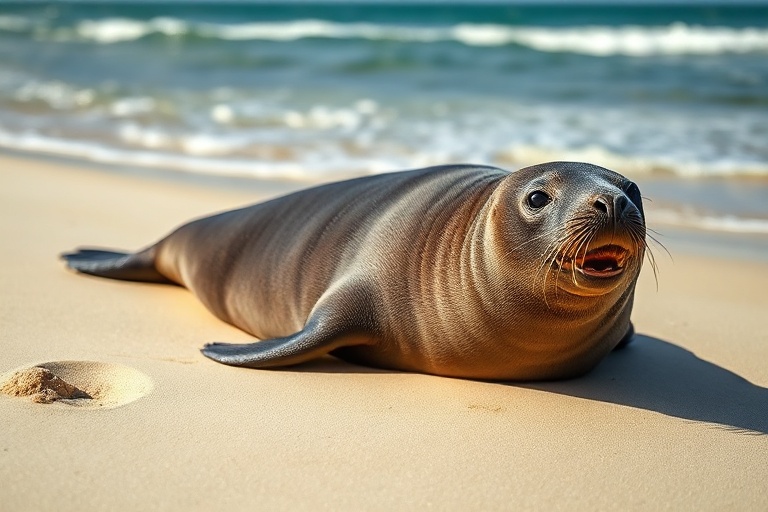
The Hawaiian monk seal, scientifically known as Neomonachus schauinslandi, is one of only two surviving monk seal species in the world. The other, the Mediterranean monk seal, is even rarer. These seals are characterized by their silvery-gray coats, which fade to brown or tan as they age, and their distinctive whiskers that help them navigate murky waters.
Unlike their more social relatives, Hawaiian monk seals are solitary creatures, spending much of their time resting on beaches or foraging in the ocean. They primarily feed on fish, crustaceans, and cephalopods, diving to depths of up to 1,500 feet in search of food. Their adaptability to Hawaii’s unique marine environment has been a key factor in their survival, but it has also made them vulnerable to human encroachment.
One of the most striking aspects of Hawaiian monk seals is their cultural significance. In Hawaiian tradition, they are known as ʻIlio-holo-i-ka-uaua, or “dog that runs in rough water,” a name that reflects their agility and resilience. Indigenous Hawaiians revered these seals, and their presence was often seen as a sign of a healthy ocean. Today, they remain a powerful symbol of Hawaii’s natural heritage.
Threats to Survival: What’s Endangering These Seals
The Hawaiian monk seal’s decline is driven by a combination of historical and contemporary factors. Understanding these threats is critical to developing effective conservation strategies.
- Historical Hunting: Hawaiian monk seals were hunted extensively by Polynesians and later by European and American sealers in the 19th and early 20th centuries. This hunting decimated their populations, and they never fully recovered.
- Habitat Loss: Coastal development, erosion, and rising sea levels have reduced the number of suitable beaches for resting and pupping. Many of Hawaii’s beaches are now crowded with resorts, homes, and recreational activities, leaving little undisturbed space for the seals.
- Fisheries Interactions: While Hawaiian monk seals are protected under the Endangered Species Act, they often become entangled in fishing gear or accidentally ingest marine debris. These interactions can lead to injury, starvation, or death.
- Climate Change: Warmer ocean temperatures and shifting currents affect the availability of prey, forcing seals to travel farther for food. Additionally, sea level rise threatens their breeding beaches, particularly on low-lying atolls like French Frigate Shoals.
- Human Disturbance: Tourists and locals often approach seals too closely, causing them to abandon their resting spots or pups. Even well-meaning interactions can disrupt their natural behaviors and lead to stress-related health issues.
The combination of these threats has created a perfect storm for Hawaiian monk seals. Without urgent action, their population could continue to decline, leading to potential extinction within the next few decades.
Conservation Efforts: A Beacon of Hope
Despite the challenges, there is hope for the Hawaiian monk seal. Conservationists, government agencies, and local communities are working tirelessly to protect and restore their populations. These efforts include habitat restoration, public education, and direct interventions like disentangling seals from debris or relocating pups to safer beaches.
One of the most successful conservation programs is the Hawaiian Monk Seal Recovery Program, a partnership between the National Oceanic and Atmospheric Administration (NOAA) and other organizations. This program focuses on monitoring seal populations, rescuing injured or malnourished individuals, and reducing human-seal conflicts.
Another critical initiative is the protection of key breeding sites. For example, the French Frigate Shoals, one of the most important pupping areas, is now a designated critical habitat under the Endangered Species Act. Efforts to restore native vegetation and stabilize shorelines have made these beaches more suitable for seals.
Public education also plays a vital role. Organizations like Dave’s Locker Conservation are raising awareness about the plight of Hawaiian monk seals and encouraging responsible tourism. By teaching visitors and locals about the seals’ needs, these programs help reduce disturbances and foster a culture of conservation.
The success of these efforts is evident in some areas where seal populations have stabilized or even increased slightly. For instance, the number of pups born annually has risen in recent years, a sign that conservation measures are working. However, the overall population remains critically low, and continued vigilance is essential.
The Broader Implications: Why Hawaiian Monk Seals Matter
The decline of Hawaiian monk seals is not just a tragedy for the species itself; it reflects deeper issues facing Hawaii’s marine ecosystems. As apex predators, monk seals help maintain the balance of ocean life. Their decline could lead to overpopulation of certain fish species, disrupting the food web and ultimately affecting fisheries and coastal communities.
Moreover, the challenges facing Hawaiian monk seals mirror those of other endangered marine species, from sea turtles to vaquitas. Their story highlights the urgent need for global action on climate change, overfishing, and plastic pollution. Protecting these seals is not just about saving one species—it’s about preserving the health of the entire ocean.
There’s also an economic angle. Hawaiian monk seals are a flagship species for ecotourism in Hawaii. Visitors who come to see these seals often spend money on guided tours, accommodations, and local businesses. Protecting the seals ensures that Hawaii remains a top destination for nature lovers, benefiting the economy and local communities.
Ultimately, the fate of the Hawaiian monk seal is a test of our commitment to conservation. If we can save this species, it will send a powerful message about our ability to coexist with nature and address the environmental challenges of our time. The seals’ story is one of resilience, but it also serves as a reminder of our responsibility to act as stewards of the planet.
A Call to Action
Saving the Hawaiian monk seal will require a collective effort. Here’s how you can help:
- Respect Their Space: If you encounter a Hawaiian monk seal on the beach, keep a safe distance—at least 150 feet—and never disturb them. Use binoculars or a camera with a zoom lens to observe them without intruding.
- Support Conservation Organizations: Donate to or volunteer with groups like NOAA’s Hawaiian Monk Seal Recovery Program or local initiatives like Dave’s Locker Wildlife that work to protect these seals and their habitats.
- Reduce Plastic Use: Plastic pollution is a major threat to marine life, including Hawaiian monk seals. Avoid single-use plastics, participate in beach cleanups, and support policies that reduce ocean pollution.
- Educate Others: Share information about Hawaiian monk seals with friends, family, and social media followers. The more people know about their plight, the greater the collective effort to save them.
- Advocate for Policy Change: Support legislation that addresses climate change, overfishing, and plastic pollution. Contact your representatives to urge them to prioritize marine conservation.
The Hawaiian monk seal’s future hangs in the balance, but it’s not too late to turn the tide. By taking action today, we can ensure that future generations will have the chance to witness these remarkable creatures thriving in their natural habitat. The ocean’s guardians deserve nothing less.