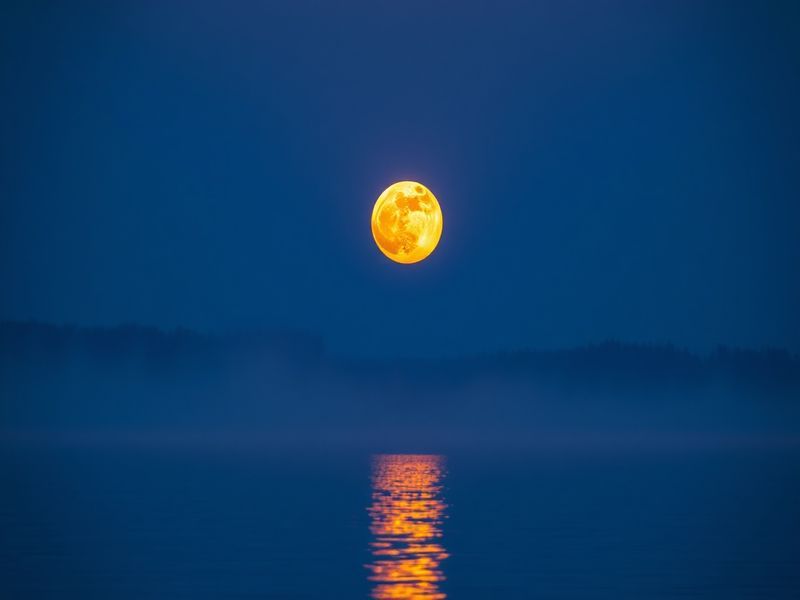
April 2026 Full Moon: When to See the Pink Moon
The full moon of April 2026, traditionally known as the “Pink Moon,” arrives with more than just its luminous presence. Occurring on the evening of April 5, 2026, this celestial event coincides with the moon reaching perigee—the point in its orbit closest to Earth—resulting in a slightly larger and brighter appearance. While not a “supermoon” by strict astronomical definitions, the proximity will still make it an unmissable sight for skywatchers and photographers alike.
Beyond its visual spectacle, the April full moon carries deep cultural and seasonal significance. It has long been associated with spring’s renewal, symbolizing growth and new beginnings in various traditions. For modern observers, it serves as a reminder of humanity’s enduring connection to the cosmos—a moment to pause and reflect on our place in the universe.
Why the April Full Moon Is Worth Watching
The 2026 Pink Moon arrives during a period of heightened lunar visibility. With clear skies forecasted for many regions, this event offers a rare opportunity to observe the moon in detail without specialized equipment. The moon will reach peak illumination at 10:19 PM UTC, making it visible across North America, Europe, and parts of Asia.
What makes this full moon particularly notable is its alignment with Earth’s axial tilt, resulting in a higher-than-average arc across the night sky. In northern latitudes, this means the moon will appear to “ride” low near the horizon, casting long shadows and creating dramatic lighting effects. For photographers, this presents a chance to capture wide-angle shots with foreground elements like trees or buildings dwarfed by the moon’s presence.
The event also coincides with the peak of the Lyrid meteor shower, though the bright moonlight may obscure all but the brightest shooting stars. Still, the combination of the two phenomena offers a unique viewing experience for astronomy enthusiasts.
Cultural and Historical Context of the Pink Moon
The name “Pink Moon” originates from Native American traditions, specifically the Algonquin tribes, who named full moons based on seasonal events. April’s full moon marked the blooming of wild ground phlox, one of the first flowers of spring, rather than the moon’s actual color. This tradition reflects the deep ties between indigenous cultures and the natural world, where celestial events were tied to agricultural and spiritual cycles.
In other cultures, the April full moon has different names and meanings. In Hindu tradition, it’s known as Hanuman Jayanti, celebrating the birth of the monkey god Hanuman. In Buddhist lore, it’s associated with the Visakha Bucha festival, commemorating the birth, enlightenment, and death of the Buddha. These diverse interpretations highlight how lunar cycles have shaped human calendars and rituals for millennia.
Even in modern times, the full moon retains a mystical allure. Astrologers often link it to heightened emotions and energy shifts, while pop culture frequently portrays it as a time of mystery or transformation. Whether viewed through a scientific or spiritual lens, the April full moon remains a powerful symbol of transition and renewal.
How to Best Experience the April 2026 Full Moon
To make the most of this celestial event, consider the following tips:
- Timing: Check local moonrise times for your area. The moon will appear largest and most vibrant when it’s near the horizon due to the “moon illusion,” where our brains perceive it as larger when compared to terrestrial objects.
- Location: For optimal viewing, choose a dark-sky site away from city lights. Open fields, beaches, or elevated areas like hills or mountains provide unobstructed views.
- Equipment: While the moon is visible to the naked eye, a pair of binoculars or a small telescope can reveal details like lunar maria (dark plains formed by ancient volcanic activity) and crater walls.
- Photography: Use a tripod and a camera with manual settings to capture the moon’s details. A telephoto lens (200mm or longer) will help fill the frame. For wide shots, include silhouettes of trees or buildings to add context.
- Community Events: Many astronomy clubs and planetariums host public viewing parties. Check local listings or organizations like Dave’s Locker Science for organized events.
The April 2026 full moon is more than just a date on the calendar—it’s a bridge between ancient traditions and modern curiosity. Whether you’re a seasoned astronomer, a casual observer, or someone seeking a moment of wonder, this event invites you to look up and reconnect with the rhythms of the natural world.
Beyond the Pink Moon: Lunar Events to Watch in 2026
While the April full moon is a highlight, 2026 promises several other notable lunar events. Mark your calendars for the following:
- October 29, 2026 – Partial Lunar Eclipse: Visible from Europe, Africa, and parts of Asia, this eclipse will cast a subtle shadow over the moon, offering a subtle yet striking display.
- December 24, 2026 – Christmas Eve Full Moon: A rare holiday full moon, coinciding with Christmas Eve, which hasn’t occurred since 2023. This event blends astronomical spectacle with festive tradition.
These events underscore the moon’s role as a celestial constant, guiding everything from ancient rituals to modern celebrations. As technology advances, our ability to observe and understand the moon grows, yet its timeless allure remains unchanged.
The April 2026 full moon is a reminder of the universe’s grandeur and our small but meaningful place within it. Whether you’re marking the arrival of spring or simply marveling at the night sky, take a moment to witness this luminous event. It’s a chance to step outside, look up, and remember that we’re all part of something far bigger than ourselves.