Punjab Kings and Mumbai Indians: A Rivalry Beyond the Boundary
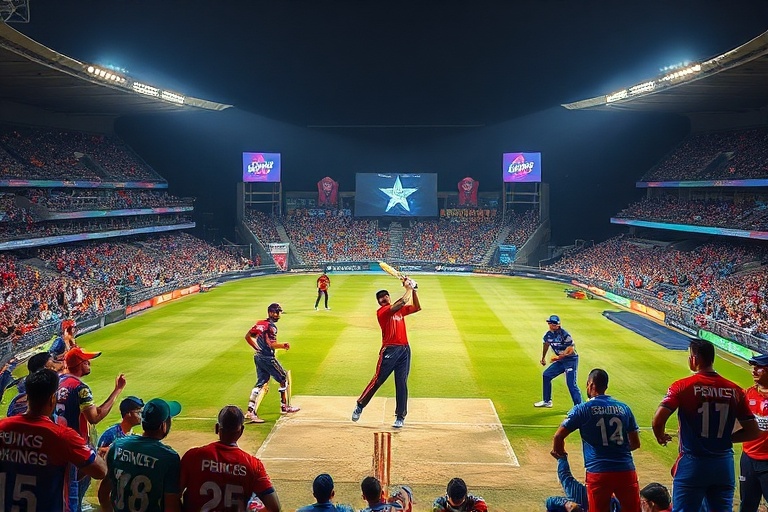
The clash between Punjab Kings (PBKS) and Mumbai Indians (MI) in the Indian Premier League (IPL) transcends mere cricket. It represents a collision of cultures, economies, and fan expectations. While Mumbai’s franchise dominates the leaderboards, Punjab’s underdog spirit keeps the rivalry alive in the hearts of millions.
The IPL, now in its sixteenth season, has evolved into a global spectacle. Matches between PBKS and MI are not just sporting events; they are cultural exchanges that reflect India’s regional diversity. Punjab’s vibrant Sikh heritage and Mumbai’s cosmopolitan energy blend on the field, creating a narrative that resonates far beyond the stadium.
The Origin of a Modern Rivalry
The rivalry gained momentum in the early 2010s when both teams frequently clashed in high-stakes matches. PBKS, formerly known as Kings XI Punjab, rebranded in 2021 to emphasize its regional identity. This shift mirrored a broader trend in Indian sports, where local pride increasingly shapes team branding.
Mumbai Indians, owned by India’s richest conglomerate, Reliance Industries, embody financial power and strategic depth. Their five IPL titles contrast sharply with PBKS’s zero championships, yet the gap fuels the underdog narrative that fans adore. This asymmetry creates a dynamic where every match becomes a David versus Goliath story.
The teams have met 30 times in the IPL, with Mumbai holding a 18-12 advantage. However, Punjab has delivered memorable upsets, including a 2014 win by 19 runs and a 2020 victory by 9 wickets. These moments remind cricket enthusiasts that in T20 cricket, anything is possible.
Cultural and Economic Dimensions
Punjab’s identity is deeply tied to agriculture, Sikh traditions, and Bollywood cinema. The PBKS jersey, adorned with the Khanda symbol, reflects this heritage. In contrast, Mumbai, India’s financial capital, projects a global, corporate image through MI’s sleek branding and star-studded lineups.
According to a 2023 report by the Federation of Indian Chambers of Commerce and Industry, the IPL contributes over $10 billion annually to India’s economy. Matches between PBKS and MI generate significant revenue for broadcasters, sponsors, and local businesses. In Punjab, cricket matches are communal events, while in Mumbai, they are high-profile social gatherings.
This rivalry also highlights India’s linguistic and culinary diversity. Punjab is known for its hearty cuisine—sarson ka saag, makki di roti, and lassi—while Mumbai is famous for vada pav and Irani chai. These regional flavors become symbols of identity during match days, with fans incorporating them into their viewing experiences.
Star Players and Tactical Battles
The PBKS vs MI rivalry is as much about individual brilliance as it is about team strategy. Over the years, both teams have featured cricketing legends and rising stars.
Key Players in the Rivalry:
- Mumbai Indians: Rohit Sharma (captain), Jasprit Bumrah (bowler), and Hardik Pandya (all-rounder) have been instrumental in MI’s success.
- Punjab Kings: KL Rahul (batsman), Mohammed Shami (bowler), and R Ashwin (all-rounder) bring experience and flair to PBKS’s lineup.
- Legacy Players: Sachin Tendulkar and Virender Sehwag have left indelible marks on this rivalry, shaping its legacy.
The tactical battle often hinges on spin versus pace. MI’s spinners like Anmolpreet Singh exploit slow pitches, while PBKS’s pacers like Kagiso Rabada target early wickets. Recent seasons have seen PBKS adopt a more aggressive approach, contrasting MI’s methodical playstyle.
Coaching philosophies also play a role. MI’s appointment of Mahela Jayawardena as batting coach reflects a focus on technique and temperament. PBKS, under the guidance of Trevor Bayliss, emphasizes aggressive batting and innovative bowling strategies.
The Fan Experience: A Global Phenomenon
The rivalry extends far beyond India’s borders. With over 200 million IPL viewers worldwide, PBKS and MI matches attract audiences in the UAE, UK, Australia, and the US. Social media amplifies the excitement, with hashtags like #PBKSvMI trending during matches.
Fan engagement is a cornerstone of this rivalry. PBKS supporters, known for their passion, often organize flash mobs and cultural performances before games. MI fans, meanwhile, bring a cosmopolitan flair, blending Bollywood anthems with international cricket chants.
A 2022 survey by YouGov revealed that 68% of IPL viewers consider PBKS vs MI one of the most anticipated matchups. This global appeal underscores cricket’s role as a unifying force, bridging cultural divides through shared passion.
Beyond the IPL: A Broader Impact
The rivalry influences cricket development in Punjab and Maharashtra. PBKS’s community initiatives, such as grassroots coaching programs, aim to nurture local talent. MI, through its partnership with the Mumbai Cricket Association, has revitalized infrastructure in the city’s suburbs.
This rivalry also sets trends in sports marketing. PBKS’s 2021 rebranding campaign, featuring Punjabi folk music and modern aesthetics, went viral. MI’s collaborations with international brands like Puma have elevated its global profile.
As the IPL expands, the PBKS vs MI rivalry will continue to evolve. New formats, such as the IPL’s 2024 expansion to six teams, may introduce fresh dynamics. Yet, the core narrative—Mumbai’s dominance versus Punjab’s resilience—remains unchanged.
A Rivalry That Defines Generations
For over a decade, PBKS vs MI has delivered moments of joy, heartbreak, and sheer brilliance. It reflects India’s diversity, where tradition meets modernity, and underdogs challenge the establishment. As long as cricket is played, this rivalry will endure, captivating fans across generations.
Whether you’re drawn to the strategic depth of MI or the raw passion of PBKS, one thing is certain: this clash is more than a game. It’s a celebration of India’s spirit.
For more on the IPL’s cultural impact, visit our Sports section. To explore cricket’s global reach, check out our Entertainment category.