Real Madrid vs Real Oviedo: How These 1990s Matches Shaped Spanish Football
When Real Madrid and Real Oviedo faced off in the 1990s, it wasn’t just a match—it was a battle that shaped the trajectory of Spanish football. These encounters were more than statistical footnotes; they were defining moments for both clubs, each with its own ambitions and struggles. The rivalry between the two teams, though not as storied as others in La Liga, carried significant weight during a transformative era in Spanish football.
The 1990s were a period of immense change. Real Madrid was transitioning from the dominance of the 1980s, while Real Oviedo was carving out its identity as a competitive mid-table side. Their meetings often reflected the broader challenges and opportunities facing Spanish football at the time. Understanding these matches provides insight into the evolution of tactics, player development, and the financial pressures that shaped the modern game.
The Context: Football in the 1990s
The 1990s marked a pivotal decade for Spanish football. The league was transitioning from a period of domestic dominance to a more globalized, commercially driven model. Real Madrid, traditionally the league’s powerhouse, faced increasing competition from the likes of Barcelona and Atlético Madrid, while clubs like Real Oviedo were fighting to establish themselves in a crowded landscape.
Oviedo, despite its smaller fanbase and limited resources, became a consistent La Liga presence during this era. Their matches against Real Madrid were not just about points—they were about proving that smaller clubs could compete with the giants. For Madrid, these games were opportunities to assert dominance, but they were also tests of their adaptability in an evolving football environment.
Key Factors Influencing the Rivalry
- Tactical Evolution: Real Madrid under managers like Fabio Capello and Jupp Heynckes were experimenting with tactical systems that blended defensive solidity with attacking flair. Oviedo, meanwhile, often employed a pragmatic approach, focusing on organization and counterattacks.
- Player Development: Matches between the two clubs often showcased emerging talents. Oviedo’s youth academy produced players who later became stars elsewhere, while Real Madrid’s matches were platforms for youngsters like Raúl González to make their mark.
- Financial Pressures: The 1990s were a time when clubs began to feel the squeeze of financial sustainability. Oviedo’s survival battles contrasted sharply with Madrid’s ambitions to remain at the top, highlighting the disparities in Spanish football.
- Fan Culture: While Real Madrid boasted a global fanbase, Oviedo’s supporters created an atmosphere that was intimate yet fiercely passionate. These matches were as much about pride as they were about points.
Memorable Matches and Turning Points
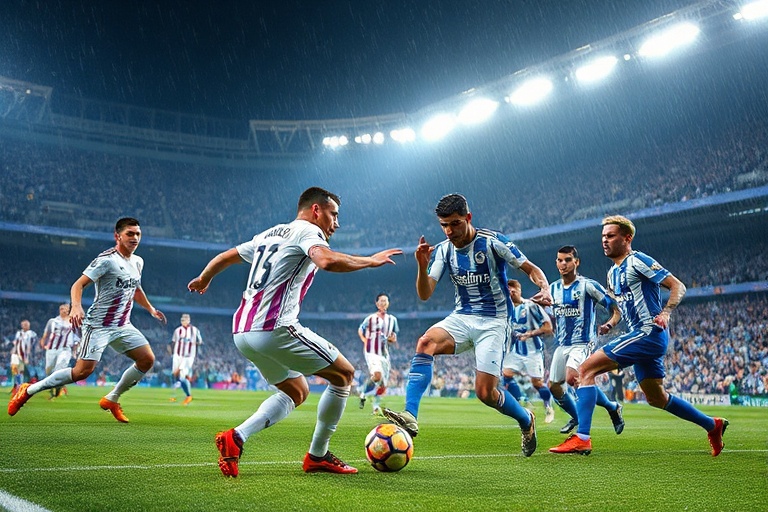
One of the most notable encounters between the two sides took place on April 10, 1994, in a La Liga match that ended 2-2. Real Madrid, led by Capello, were in the midst of a title challenge, while Oviedo were fighting relegation. The match was a rollercoaster, with Oviedo taking a 2-0 lead before Madrid clawed their way back. Goals from Iván Zamorano and Fernando Hierro secured the draw, but the match was a microcosm of the broader tensions in Spanish football—underdogs pushing giants to their limits.
Another significant clash occurred on January 21, 1995, when Real Madrid won 3-1. This match was particularly notable for the performance of young forward Raúl, who scored a brace. At the time, Raúl was still a teenager, but his performances in matches like this foreshadowed his future as one of Real Madrid’s greatest players. Oviedo, despite their best efforts, struggled to contain Madrid’s attacking prowess, a recurring theme in their encounters.
These matches were not just about results; they were about narratives. For Oviedo, they were opportunities to prove that they belonged among the elite. For Real Madrid, they were tests of character and adaptability. The outcomes often reflected the broader challenges each club faced during the decade.
Broader Implications for Spanish Football
The rivalry between Real Madrid and Real Oviedo may not be the most storied in Spanish football, but its implications were far-reaching. These matches highlighted the structural inequalities in La Liga, where a handful of clubs dominated both on and off the pitch. For smaller clubs like Oviedo, the challenge was not just about winning matches but about surviving financially and maintaining relevance in an increasingly commercialized league.
For Real Madrid, the matches were reminders of the pressures that came with being a global brand. The club was transitioning from a period of domestic dominance to one where European success became a priority. Matches against teams like Oviedo were opportunities to blood young talent and refine tactics, but they were also reminders of the need to stay competitive in a rapidly changing environment.
These encounters also reflected the broader evolution of Spanish football. The 1990s saw the rise of television revenue, commercial sponsorships, and the globalization of the sport. Clubs like Real Madrid were at the forefront of this transformation, while smaller clubs like Oviedo struggled to keep pace. The matches between the two sides were microcosms of these broader trends, offering a glimpse into the challenges and opportunities that defined the era.
Legacy and Lessons for Modern Football
Today, the legacy of these matches serves as a reminder of the importance of competition in football. While Real Madrid has gone on to become a global superpower, clubs like Real Oviedo have faced their own struggles, including relegation and financial difficulties. The story of their encounters in the 1990s is a testament to the resilience of smaller clubs and the challenges they face in a league dominated by financial giants.
For modern football, the lessons are clear. The gap between the elite and the rest continues to widen, both financially and competitively. While clubs like Real Madrid can afford to invest in world-class talent, smaller clubs must rely on smart recruitment and youth development to stay competitive. The matches between Real Madrid and Real Oviedo in the 1990s were a reflection of these realities, offering a glimpse into the complexities of Spanish football during a transformative era.
As football continues to evolve, the stories of these matches remind us of the importance of competition, resilience, and the enduring appeal of the beautiful game. Whether it’s in the grand stadiums of Madrid or the intimate grounds of Oviedo, the spirit of football remains the same—a game of passion, ambition, and unyielding competition.
Key Takeaways from the Real Madrid vs Real Oviedo Rivalry
- Tactical Evolution: The matches showcased the tactical experimentation of the 1990s, with Real Madrid focusing on defensive solidity and attacking flair, while Oviedo employed a pragmatic, counterattacking style.
- Player Development: These encounters were platforms for emerging talents like Raúl, who later became legends at Real Madrid.
- Financial Disparities: The rivalry highlighted the growing financial divide in Spanish football, with smaller clubs like Oviedo struggling to compete with the financial might of giants like Real Madrid.
- Cultural Impact: Oviedo’s passionate fanbase created an atmosphere that was uniquely intimate yet fiercely competitive, contrasting with the global appeal of Real Madrid.
- Broader Implications: The matches were microcosms of the broader challenges facing Spanish football in the 1990s, including the rise of commercialization and the globalization of the sport.
For those interested in exploring more about the evolution of Spanish football, visit Dave’s Locker Analysis for in-depth articles on tactical trends and historical contexts. To stay updated on current La Liga developments, check out Dave’s Locker Sports.