Strait of Hormuz: The World’s Most Critical Waterway Explained
The Strait of Hormuz: A Global Chokepoint Shaping Geopolitics and Trade
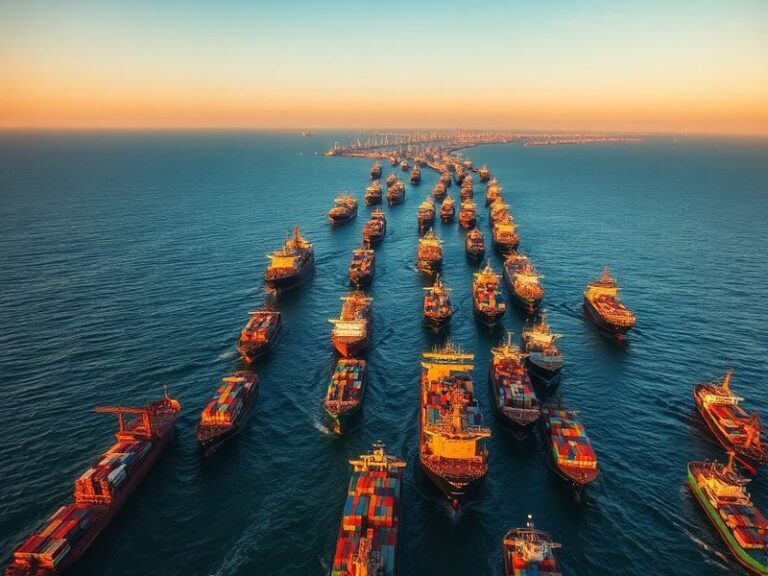
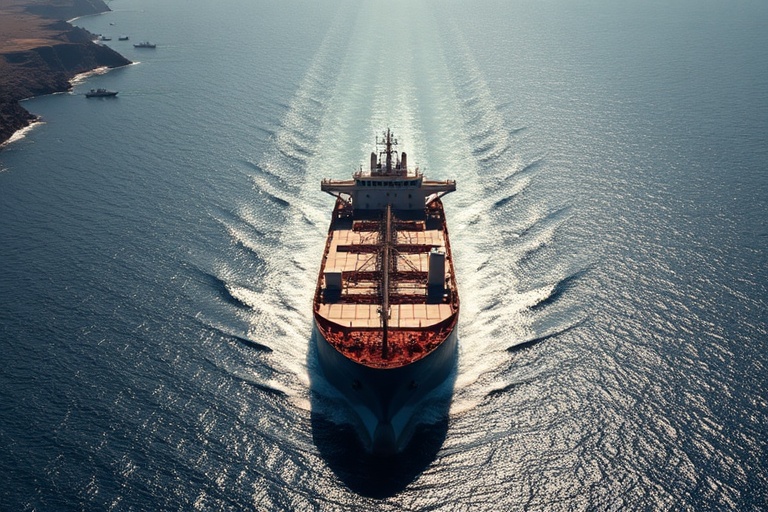
The Strait of Hormuz is more than just a narrow waterway—it is a critical artery of global commerce, a flashpoint for international tensions, and a symbol of the delicate balance between power and vulnerability in the modern world. Connecting the Persian Gulf to the Gulf of Oman and, by extension, the Arabian Sea, this 21-mile-wide passage handles roughly one-third of the world’s seaborne oil shipments. Its strategic importance has made it a focal point for military posturing, diplomatic maneuvering, and economic calculations for decades.
Beyond its economic weight, the Strait of Hormuz carries profound cultural and historical significance. For centuries, it has been a crossroads where civilizations collided and intertwined—from the ancient trade routes of the Sumerians and Persians to the colonial ambitions of European powers. Today, it remains a microcosm of the broader tensions in the Middle East, where national interests, sectarian divides, and global energy demands collide.
The Geopolitical Chessboard of the Strait
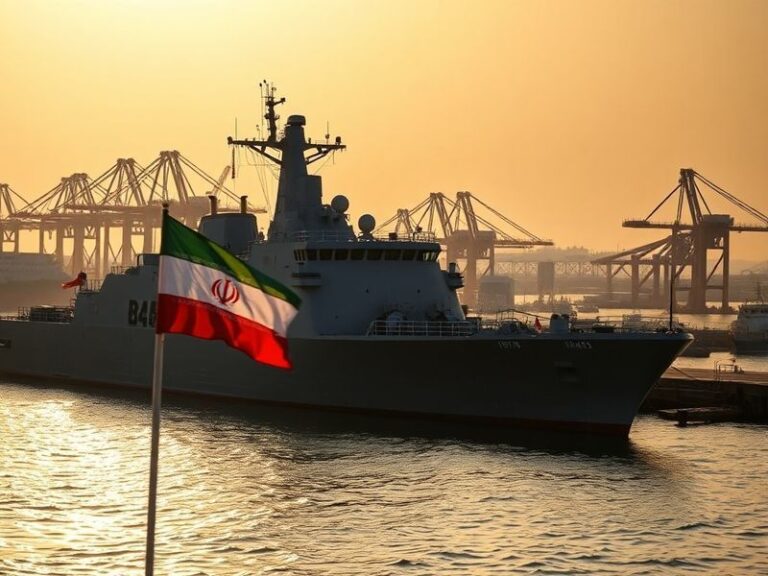
The Strait of Hormuz isn’t just a geographic feature; it’s a geopolitical chessboard where regional powers and global actors compete for influence. At the heart of this dynamic is the rivalry between Iran and its neighbors, particularly Saudi Arabia, as well as the broader Sunni-Shia divide that shapes much of the Middle East’s politics. Iran has long used its geographic advantage in the strait as a lever in negotiations, periodically threatening to disrupt shipping lanes—a move that sends ripples through global oil markets.
This tension isn’t new. Since the 1979 Islamic Revolution, Iran has positioned itself as a defender of its sovereignty, often framing its military exercises and rhetoric as responses to perceived threats from the West and regional rivals. The strait, in this context, becomes both a shield and a sword. For example, in 2019, Iran seized a British-flagged oil tanker in the strait, escalating tensions that had been simmering since the U.S. withdrawal from the Iran nuclear deal. Such incidents underscore how the strait is not just a pathway for trade but a stage for power plays.
Meanwhile, other players keep a close watch. The United States, which has maintained a military presence in the region since the 1980s, regularly conducts naval patrols to ensure the free flow of commerce. Countries like China and India, heavily reliant on Middle Eastern oil, have also sought to expand their influence, often through economic investments or strategic partnerships with Iran. This complex web of alliances and rivalries turns the Strait of Hormuz into a stage where global energy security is constantly negotiated.
The Economic Lifeline of the World
If the Strait of Hormuz were to close—even temporarily—the economic consequences would be catastrophic. The strait is the primary route for oil exports from Saudi Arabia, Iraq, the United Arab Emirates, Kuwait, and Qatar. According to the U.S. Energy Information Administration, about 21 million barrels of oil pass through the strait daily, accounting for roughly 20% of global oil consumption. A disruption here would send oil prices soaring, trigger fuel shortages, and destabilize economies worldwide.
Oil isn’t the only commodity at risk. The strait is also a key transit point for liquefied natural gas (LNG), particularly from Qatar, the world’s largest LNG exporter. With Europe and Asia increasingly dependent on Middle Eastern energy, the strait’s role in the global supply chain cannot be overstated. Any prolonged closure—whether due to conflict, sabotage, or natural disaster—would trigger a domino effect, disrupting industries from automotive to aviation.
Countries have responded to this vulnerability in different ways. Some, like the UAE, have invested in alternative export routes, such as pipelines that bypass the strait entirely. Others, like Saudi Arabia, have explored partnerships with global powers to ensure military protection of their shipping lanes. Yet, despite these efforts, the strait remains the most efficient and cost-effective route for most oil and gas exports, making it an indispensable part of the global economy.
For a deeper look at how energy markets react to geopolitical tensions, explore our Finance section, where we analyze the ripple effects of global events on investments and commodity prices.
Cultural and Historical Echoes
The Strait of Hormuz isn’t just a modern geopolitical flashpoint—it’s a living museum of the region’s rich history. For millennia, the strait has been a crossroads for traders, explorers, and conquerors. The ancient Persians and Arabs used it as a gateway to the Indian Ocean, while Portuguese explorers and British colonialists later sought to control its waters. This history is etched into the coastal cities of Oman, Iran, and the UAE, where forts, souks, and shipyards tell stories of resilience and adaptation.
Culturally, the strait has shaped the identities of the communities that live along its shores. In Oman, for instance, the strait is central to the national narrative, with the country’s historical role as a maritime power celebrated in museums and festivals. In Iran, the strait is often framed as a symbol of national pride and defiance, particularly in the face of Western sanctions and perceived encroachments. Meanwhile, in the UAE, the strait is a reminder of the country’s transformation from a series of small fishing villages to a global hub of commerce and tourism.
This cultural significance extends to the people who work in the strait’s waters. Fishermen, sailors, and oil workers form a unique subculture, bound by the challenges and opportunities of life in one of the world’s most strategically vital regions. Their stories—of endurance, innovation, and sometimes tragedy—add a human dimension to the strait’s geopolitical importance.
The Future: Challenges and Uncertainties
The future of the Strait of Hormuz is fraught with uncertainty. On one hand, the strait’s importance as a chokepoint is likely to grow as global energy demand rises, particularly in Asia. On the other hand, the risks of conflict, climate change, and technological disruption loom large. Climate change, in particular, poses a long-term threat, with rising sea levels and extreme weather events potentially altering shipping routes and increasing the strain on infrastructure.
Technological advancements could also reshape the strait’s role. The rise of renewable energy and electric vehicles might reduce global dependence on Middle Eastern oil, but for now, fossil fuels remain dominant. Meanwhile, advancements in maritime security—such as drones, AI-driven surveillance, and cyber warfare—are changing the way countries protect their interests in the strait. These developments could either stabilize the region or introduce new layers of complexity.
Diplomacy remains the most critical factor in determining the strait’s future. Efforts to revive the Iran nuclear deal, for example, could ease tensions and reduce the likelihood of military confrontations. Regional initiatives, such as the Abraham Accords, which normalized relations between Israel and some Arab states, might also create new frameworks for cooperation. However, deep-seated mistrust and competing national interests make progress difficult.
For now, the Strait of Hormuz remains a symbol of both the fragility and resilience of the global order. It is a reminder that in a world where energy and power are intertwined, even the narrowest of passages can shape the destiny of nations.
To stay updated on how global events like these impact markets and economies, follow our News section for real-time analysis and insights.