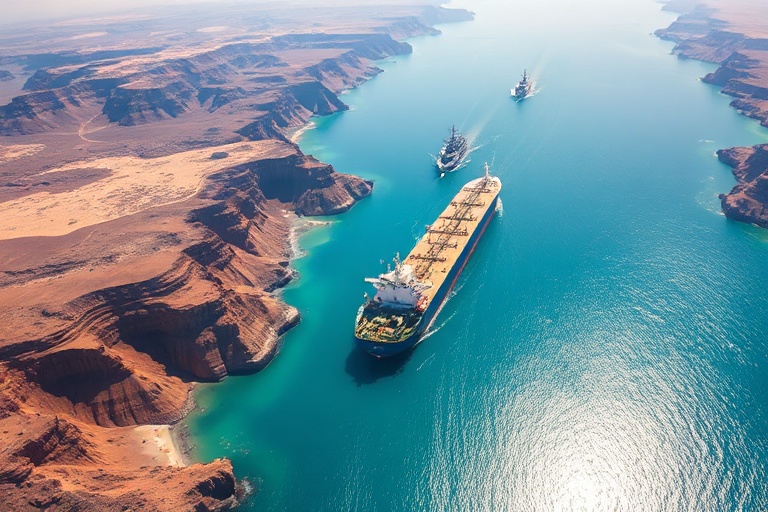
Strait of Hormuz: Why This Chokepoint Matters to Global Energy
The Strait of Hormuz is more than just a narrow waterway between Iran and Oman—it is one of the world’s most strategically vital maritime passages. Connecting the Persian Gulf to the Gulf of Oman and, by extension, the Arabian Sea, this 21-mile-wide channel handles roughly 20% of the world’s oil supply daily. For nations dependent on Middle Eastern energy exports, the strait is not merely a geographical feature; it is a potential pressure point that can disrupt economies, influence geopolitical decisions, and spark international tensions.
The Strait’s Strategic Importance
Every day, tankers carrying millions of barrels of crude oil pass through the Strait of Hormuz. This flow underpins global energy markets, making the strait indispensable to economies from Asia to Europe. The United States Energy Information Administration estimates that in 2023 alone, approximately 21 million barrels per day of crude oil and condensates transited the strait—more than 20% of global petroleum liquids consumption. Disruptions here send ripples across supply chains, affecting fuel prices and economic stability worldwide.
Beyond oil, the strait is a critical trade route for liquefied natural gas (LNG), container ships, and bulk cargo. Its shallow depth and narrowness—at points barely two miles wide—mean that even minor incidents can cause massive delays. The chokepoint’s geography, combined with the competing interests of regional powers like Iran, Saudi Arabia, and the United States, creates a volatile mix where geopolitical maneuvering can quickly escalate into conflict.
Key Players and Their Interests
The strait’s geopolitical significance is shaped by several key actors, each with distinct objectives and strategies:
- Iran – Views the strait as a leverage point in its ongoing tensions with Western powers and regional rivals. Iran has repeatedly threatened to close the strait in response to sanctions or perceived threats, most notably during the 1980s Iran-Iraq War and in periodic military drills.
- United States – Maintains a significant naval presence in the region, including the Fifth Fleet, to ensure the free flow of maritime traffic. The U.S. has repeatedly stated that any disruption to global oil supplies would be met with a military response.
- Saudi Arabia and Gulf States – Rely on the strait for oil exports and see Iran’s military capabilities as a direct threat. Saudi Arabia has invested in alternative export routes, such as the East-West Pipeline, to bypass the strait in case of a crisis.
- China – Increasingly dependent on Middle Eastern oil, China has sought to strengthen ties with Iran while also protecting its shipping lanes. Its growing naval presence in the Indian Ocean reflects a long-term strategy to secure energy corridors.
- International Community – Countries like Japan and South Korea, which import nearly all their oil via the strait, have a vested interest in its stability. The European Union also monitors the region closely due to its reliance on Gulf energy.
Historical Flashpoints and Modern Tensions
The Strait of Hormuz has been a flashpoint for decades, with incidents escalating during periods of heightened regional conflict. One of the most notable occurred in 2019, when Iran seized a British-flagged tanker, the Stena Impero, in retaliation for the UK’s detention of an Iranian tanker in Gibraltar. The incident highlighted how quickly maritime disputes can spiral into broader confrontations.
Earlier tensions in the 1980s during the Iran-Iraq War saw both sides targeting oil tankers in what became known as the “Tanker War.” The U.S. intervened directly in 1988 after the USS Samuel B. Roberts struck an Iranian mine, launching Operation Praying Mantis—a series of retaliatory strikes against Iranian naval targets.
More recently, drone attacks on Saudi oil facilities in 2019, attributed to Iran-backed Houthi rebels in Yemen, disrupted global oil markets and underscored the strait’s vulnerability. These events demonstrate how proxy conflicts can spill into critical maritime zones, complicating efforts to maintain stability.
Broader Implications for Global Security
The Strait of Hormuz is not just a regional concern—it is a global security issue. A prolonged closure or significant disruption could trigger an energy crisis, with far-reaching consequences:
- Economic Disruption – Oil price spikes could stifle economic recovery, particularly in developing nations dependent on affordable energy.
- Energy Diversification Efforts – Countries may accelerate investments in renewable energy or alternative supply routes, altering long-term energy strategies.
- Military Escalation – Increased naval patrols and potential conflicts could draw major powers into direct confrontation, raising the stakes for global stability.
- Diplomatic Realignments – Nations may reassess alliances, with some seeking closer ties to Russia or China as hedges against Western dominance in the region.
- Technological Innovations – The threat of disruption could spur advancements in maritime surveillance, cybersecurity for shipping, and alternative energy storage solutions.
These implications extend beyond the immediate region, creating a domino effect that could reshape international relations for decades. The strait’s role as a chokepoint forces nations to balance their energy needs with the risks of geopolitical conflict—a delicate act that demands both vigilance and diplomacy.
Navigating the Future: Can Stability Be Achieved?
Ensuring the Strait of Hormuz remains open requires a combination of deterrence, diplomacy, and economic resilience. The international community has repeatedly emphasized the importance of freedom of navigation, with naval coalitions like the Combined Maritime Forces patrolling the waters to deter aggression. However, these efforts are complicated by the region’s complex political landscape, where mistrust and competing interests often overshadow cooperation.
Diplomatic initiatives, such as the 2015 Iran nuclear deal (JCPOA), offered a temporary respite by easing sanctions and reducing tensions. However, the deal’s collapse in 2018 and subsequent U.S. sanctions have reignited hostilities, making dialogue more difficult. Meanwhile, regional powers continue to engage in proxy conflicts, further destabilizing the area.
For the shipping industry, the risks have prompted a shift toward risk mitigation strategies. Insurers now charge higher premiums for vessels transiting the strait, and some companies reroute shipments around the Cape of Good Hope to avoid the region entirely. These adaptations, while costly, highlight the strait’s precarious position in global trade.
The path forward remains uncertain. While no single nation can unilaterally guarantee the strait’s security, collective action and de-escalation efforts offer the best hope for stability. The alternative—a prolonged crisis—could have devastating consequences for energy markets, global economies, and international peace.
As the world grapples with climate change and shifting energy demands, the Strait of Hormuz will continue to play a pivotal role. Its fate is not just a matter for Middle Eastern nations; it is a concern for every country reliant on the free flow of goods and resources. The challenge ahead is to manage this chokepoint wisely, ensuring that its waters remain open for the benefit of all.
For further reading on energy markets and geopolitical risks, explore our News and Analysis sections.