Girona vs Real Sociedad: A Clash of Styles in La Liga’s Global Spotlight
In the ever-evolving landscape of European football, few fixtures capture the imagination quite like the matchup between Girona and Real Sociedad. These two teams, each with distinct identities and ambitions, offer more than just three points on the board. Their encounters provide a window into the shifting dynamics of La Liga, where tradition meets innovation and local pride battles global ambition. This fixture isn’t just about the players on the pitch; it’s about the cultures, histories, and futures they represent.
The Historical Context: Where Tradition Meets Modernity
Real Sociedad, hailing from the Basque Country, is one of Spain’s most storied clubs, with roots stretching back to 1909. Their history is steeped in tradition, from their iconic blue-and-white striped jerseys to their reputation as a club that nurtures homegrown talent. The Txuri-Urdin, as they’re affectionately known, have long been a symbol of Basque identity, even as they’ve embraced a more global approach in recent years. Their stadium, Anoeta, is a fortress of passion, where the echoes of the past resonate with every chant.
Girona, on the other hand, is a relative newcomer to the upper echelons of Spanish football. Founded in 1930, the club spent decades in the lower divisions before a series of ownership changes and strategic investments catapulted them into La Liga in 2017. Their rise has been meteoric, fueled by a blend of Catalan pride and ambitious recruitment. Girona’s stadium, the compact and electric Estadi Montilivi, is a far cry from the grandeur of Anoeta, but it pulses with a raw energy that reflects the club’s underdog spirit. The clash between these two teams isn’t just a sporting contest; it’s a collision of identities.
Tactical Contrasts: The Art of Football in the 21st Century
The beauty of football lies in its diversity, and Girona and Real Sociedad embody this principle. Under the guidance of managers like Michel Sánchez (Girona) and Imanol Alguacil (Real Sociedad), both teams have developed distinct tactical philosophies that reflect their broader cultural and philosophical outlooks.
Real Sociedad’s approach is rooted in a blend of pragmatism and flair. Alguacil, a former player of the club, has instilled a system that prioritizes possession, pressing, and positional play. Their midfield is often anchored by the likes of Mikel Merino or Martín Zubimendi, players who dictate the tempo with precision. Up front, forwards like Alexander Isak and Takefusa Kubo bring a mix of creativity and clinical finishing, making Sociedad a team that can dominate games through sheer technical superiority.
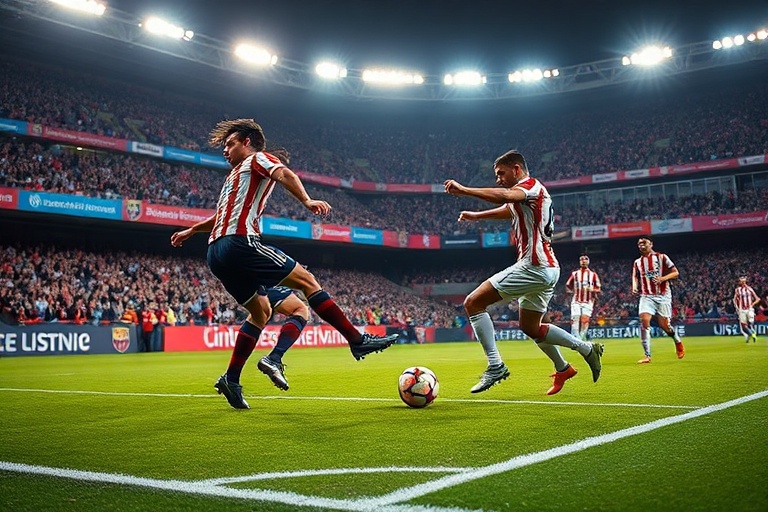
Girona, meanwhile, plays with a fearless abandon that has made them one of La Liga’s most entertaining sides. Sánchez’s team is built on high-intensity pressing, rapid transitions, and an unwavering belief in their attacking prowess. Players like Aleix García and Savio, who bring dazzling dribbling and creativity, epitomize Girona’s style. Their defense, often the subject of scrutiny, is compensated by their ability to overwhelm opponents with sheer numbers in attack. This tactical contrast makes their matches unpredictable and endlessly fascinating.
The Global Appeal: Football as a Cultural Bridge
The Girona vs. Real Sociedad rivalry extends far beyond the borders of Spain. In an era where football is increasingly globalized, these teams serve as ambassadors for their regions, attracting fans from all corners of the world. Girona, in particular, has become a darling of football purists and neutrals alike, thanks to their underdog narrative and stylish play. Their matches are broadcast in over 100 countries, and their social media presence has grown exponentially, with fans drawn to their charismatic players and bold approach.
Real Sociedad, with their deep-rooted history and Basque identity, offer a different kind of allure. The club’s commitment to youth development and its resistance to the financial excesses of modern football have earned them respect across Europe. Their matches are a celebration of Basque culture, from the pre-game bertsolaritza (Basque poetry) performances to the post-match pintxos (Basque tapas) enjoyed by fans in the local bars surrounding Anoeta.
This global appeal is reflected in the diversity of their fanbases. Girona’s following includes a significant contingent of international fans, many of whom are drawn to the club’s progressive ownership and social media-savvy approach. Real Sociedad, meanwhile, has a loyal following in the Basque Country and beyond, with supporters in countries like Mexico, Argentina, and the Philippines. The Girona vs. Real Sociedad fixture isn’t just a local derby; it’s a global spectacle that brings together fans from different backgrounds under the banner of football.
What’s at Stake: More Than Just Three Points
The outcomes of these matches carry weight beyond the standings. For Girona, a strong performance against a team like Real Sociedad can solidify their reputation as a club that belongs among Spain’s elite. Their ambition is not just to survive in La Liga but to challenge for European spots and, eventually, titles. A win against a team of Sociedad’s caliber would be a statement of intent, proving that Girona’s rise is no fluke.
For Real Sociedad, every match is an opportunity to reaffirm their status as a top-half team and a potential Europa League contender. The club’s financial constraints mean that consistency is key, and a loss to a team like Girona could derail their ambitions. Moreover, their matches against Girona are often tightly contested, reflecting the parity that exists in modern La Liga. A draw might feel like a missed opportunity for Sociedad, while a win could be the catalyst for a strong run of form.
The stakes are also personal for the players. For young talents like Kubo or Savio, performances in these high-profile matches can accelerate their careers and attract the attention of Europe’s biggest clubs. Conversely, a poor showing could see them sidelined or even pushed out of the first team. The Girona vs. Real Sociedad fixture is more than just a game; it’s a proving ground for the next generation of stars.
The Fan Experience: A Celebration of Football Culture
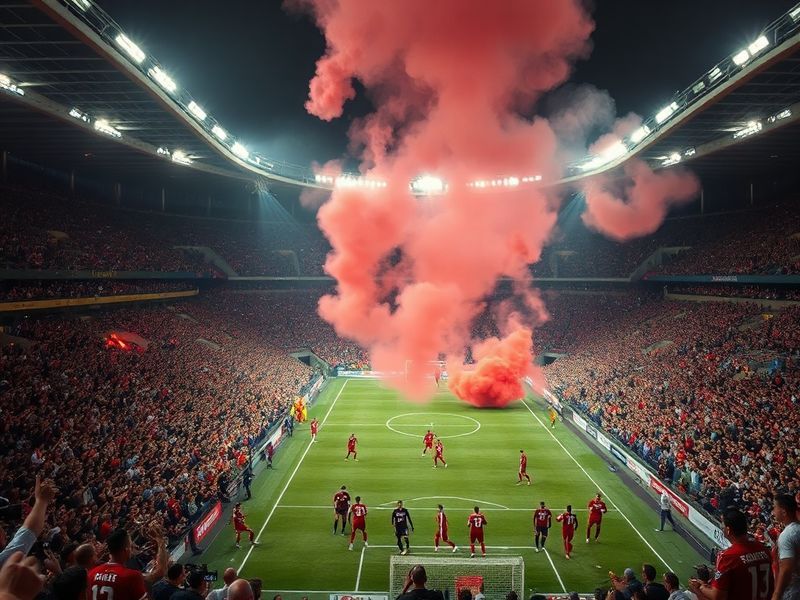
Attending a Girona vs. Real Sociedad match is an experience that transcends the 90 minutes on the pitch. In Girona, the pre-match atmosphere is electric, with fans gathering in the Plaça del Vi to soak in the city’s medieval charm before making their way to Montilivi. The stadium itself is intimate, with fans just meters from the action, creating an atmosphere that is both intense and intimate. Post-match, the streets of Girona buzz with activity, as supporters debate the game over local specialties like suquet de peix (fish stew) and crema catalana (a Catalan dessert).
In San Sebastián, the experience is equally vibrant but steeped in tradition. The city’s pintxo bars, from the historic La Cuchara de San Telmo to the modern-day La Parte Vieja, are packed with fans dissecting the match over glasses of txakoli (a local white wine). The streets around Anoeta are alive with music and chants, as supporters celebrate their team’s successes or commiserate over defeats. The cultural pride on display is palpable, making every matchday a celebration of Basque heritage.
For neutrals, these fixtures offer a chance to witness football in its purest form. Away from the glitz of the Champions League or the financial might of clubs like Real Madrid and Barcelona, Girona and Real Sociedad represent the soul of Spanish football. Their matches are a reminder that football is not just about money or global superstars; it’s about passion, identity, and the love of the game.
Looking Ahead: The Future of This Rivalry
As La Liga continues to evolve, the Girona vs. Real Sociedad rivalry is poised to take on even greater significance. Girona’s ownership, backed by City Football Group, has ambitious plans to transform the club into a global brand while maintaining its local roots. Real Sociedad, meanwhile, is navigating the challenges of staying competitive in an era of financial disparity, relying on their academy and smart recruitment to keep their dreams alive.
The next decade could see this fixture become a staple of European football, with both teams vying for Champions League spots and domestic honors. For Girona, the challenge will be to maintain their identity while scaling up their ambitions. For Real Sociedad, the task will be to balance tradition with innovation, ensuring that their club remains relevant in an increasingly commercialized sport.
One thing is certain: whenever Girona and Real Sociedad meet, football fans around the world will be watching. These matches are more than just games; they are celebrations of culture, identity, and the beautiful game. Whether you’re drawn to Girona’s attacking flair or Real Sociedad’s tactical sophistication, one thing is clear—this rivalry is here to stay.
For those looking to dive deeper into the world of La Liga and its global impact, explore our Sports and Analysis sections for more insights into the teams, players, and trends shaping modern football.