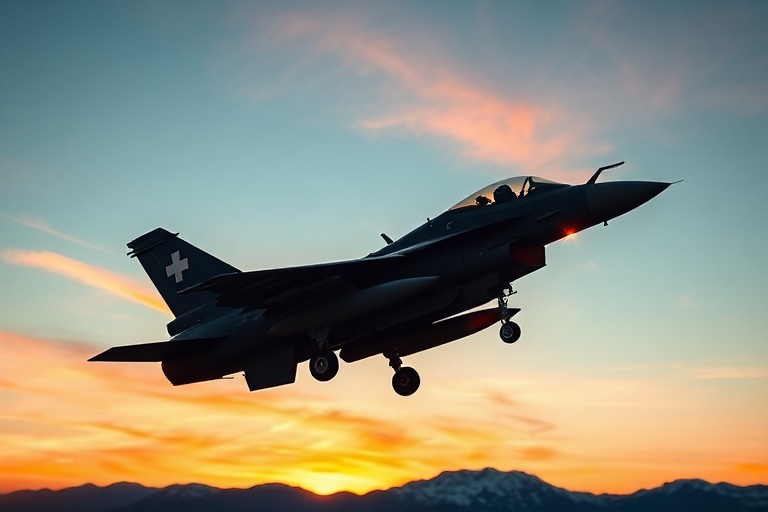
Swiss Airlines Pilot Emergency: A Close Look at Aviation Safety
Swiss Airlines Pilot Emergency: A Global Perspective on Aviation Safety
Swiss International Air Lines faced an unexpected challenge on June 10, 2024, when a pilot declared an emergency shortly after takeoff from Zurich Airport. The incident, involving Flight LX345 bound for New York, unfolded within minutes, prompting swift action from air traffic control and the airline’s operational teams. While emergencies in aviation are rare, their occurrence often raises broader questions about safety protocols, pilot training, and the pressures facing modern aviation professionals.
The aircraft, an Airbus A330, experienced a technical issue shortly after departure, forcing the crew to return to Zurich. Passengers reported hearing unusual noises from the cockpit and observed the pilots’ focused demeanor during the emergency landing. No injuries were reported, but the incident underscored the critical importance of preparedness in commercial aviation. Swiss Airlines, a subsidiary of the Lufthansa Group, has since conducted a thorough investigation, collaborating with aviation authorities to determine the root cause.
Aviation safety remains a top priority globally, with incidents like this serving as reminders of the industry’s commitment to continuous improvement. Swiss Airlines has a strong track record, but even the most reliable airlines are not immune to unexpected challenges. This event highlights the delicate balance between operational efficiency and the rigorous standards required to ensure passenger safety.
The Immediate Response: Protocols Under Pressure
When the pilot declared the emergency, Swiss Airlines’ ground and air teams activated their contingency plans without delay. Air traffic control at Zurich Airport coordinated closely with the flight crew, guiding the aircraft to a safe landing. The Swiss Federal Office of Civil Aviation (FOCA) was notified immediately, initiating a formal investigation to assess the technical issue.
Aviation experts emphasize that such incidents are often resolved efficiently due to the strict training and protocols in place. Pilots undergo extensive simulations for emergency scenarios, ensuring they can respond calmly under pressure. The crew’s ability to prioritize safety over schedule adherence reflects the core values of the aviation industry.
Passengers aboard Flight LX345 later shared their experiences, describing a mix of concern and relief. One traveler noted, “We heard the captain’s calm voice over the intercom, explaining the situation clearly. It was reassuring to know the crew was in control.” Such testimonials highlight the trust passengers place in airline professionals, even during unforeseen circumstances.
A Global Look at Aviation Safety Standards
Aviation safety is a universal concern, with airlines worldwide adhering to stringent regulations set by bodies like the International Civil Aviation Organization (ICAO) and the European Union Aviation Safety Agency (EASA). These organizations establish guidelines for aircraft maintenance, pilot training, and emergency procedures, ensuring a consistent standard of safety across the globe.
Switzerland, known for its precision and reliability, maintains some of the highest aviation safety standards in the world. The country’s airports are equipped with advanced technology, and its airlines invest heavily in training and technology to minimize risks. However, no system is flawless, and even minor technical issues can escalate if not addressed promptly.
Comparing aviation safety across different regions reveals both progress and challenges. For instance, while Europe and North America boast some of the lowest accident rates, other regions face hurdles due to infrastructure limitations or regulatory gaps. This disparity underscores the need for global collaboration in improving aviation safety standards.
Swiss Airlines’ quick response to the incident aligns with its reputation for reliability. The airline’s commitment to transparency, both with passengers and regulatory bodies, reinforces its standing as a leader in the industry. Such incidents, while rare, provide opportunities for airlines to refine their practices and enhance passenger confidence.
The Human Factor: Pilots Under the Spotlight
The role of pilots in aviation safety cannot be overstated. These professionals undergo years of training, including rigorous simulations for emergencies. Yet, the pressures of the job—long hours, time zone changes, and the weight of responsibility—can take a toll. The incident involving Swiss Airlines’ pilot raises questions about the mental and physical well-being of those entrusted with passenger safety.
Aviation authorities worldwide have begun to address these concerns by implementing stricter regulations on pilot rest periods and workload management. The European Union, for example, has introduced rules limiting flight hours and mandating rest periods to prevent fatigue-related incidents. These measures reflect a growing recognition of the human factor in aviation safety.
Swiss Airlines has not disclosed specific details about the pilot involved in the emergency, adhering to privacy protocols. However, the airline’s swift response and transparent communication with authorities and passengers demonstrate its commitment to accountability. Such incidents serve as a reminder that aviation safety is not just about technology but also about the people who operate it.
In an era where air travel is more accessible than ever, the expectations placed on pilots and airlines continue to rise. Passengers demand not only convenience but also uncompromising safety. Swiss Airlines’ handling of the incident reflects its dedication to meeting these expectations, reinforcing its position as a trusted carrier.
The Path Forward: Lessons and Innovations
As Swiss Airlines and aviation authorities investigate the incident, the focus remains on identifying any systemic issues and implementing preventive measures. The airline has already begun reviewing its maintenance and training protocols to ensure no stone is left unturned. Such proactive steps are essential in maintaining the high standards of safety that passengers expect.
Innovation also plays a key role in enhancing aviation safety. Airlines are increasingly adopting advanced technologies, such as predictive maintenance systems and real-time monitoring tools, to detect potential issues before they escalate. These innovations, combined with rigorous training, create a multi-layered approach to safety that minimizes risks.
The incident involving Swiss Airlines serves as a reminder of the complexities of modern aviation. While the industry has made significant strides in safety, challenges remain. Addressing these challenges requires collaboration between airlines, regulatory bodies, and technology providers. Only through continuous improvement can the aviation industry uphold its commitment to passenger safety.
For travelers, incidents like this can be unsettling, but they also highlight the resilience and preparedness of the aviation industry. Swiss Airlines’ swift response and transparent communication demonstrate its dedication to safety and customer trust. As the investigation progresses, the airline’s actions will be closely scrutinized, offering valuable insights into the future of aviation safety.
For those interested in aviation trends and safety innovations, Technology on Dave’s Locker provides in-depth analysis of how advancements are shaping the industry. Additionally, our Travel section offers insights into the broader experiences of air travel, from passenger perspectives to airline innovations.
Conclusion: Safety as the Ultimate Priority
The Swiss Airlines pilot emergency was a stark reminder of the unpredictability of aviation and the critical importance of safety protocols. While the incident was resolved without harm to passengers or crew, it underscored the need for constant vigilance in an industry where even minor issues can have significant consequences. Swiss Airlines’ handling of the situation reflects its commitment to transparency and accountability, reinforcing its reputation as a reliable carrier.
Aviation safety is a global endeavor, requiring collaboration between airlines, regulatory bodies, and technology providers. As the industry continues to evolve, innovations in training, technology, and regulation will play a pivotal role in maintaining the high standards passengers expect. Incidents like this, while rare, serve as opportunities for reflection and improvement, ensuring that air travel remains one of the safest modes of transportation in the world.
For aviation enthusiasts and travelers alike, understanding the complexities of airline safety is essential. By staying informed and supporting airlines that prioritize transparency and innovation, passengers can contribute to a safer and more reliable aviation industry.