Thanksgiving 2026: Travel, Food, and Tradition in Flux
As the calendar inches closer to 2026, one of America’s most cherished holidays is poised for subtle but meaningful shifts. Thanksgiving, rooted in tradition yet constantly evolving, reflects broader societal changes—from technology to travel to the very definition of family. While the core elements of turkey, gratitude, and football endure, the way we celebrate is adapting to new expectations and realities.
This isn’t about replacing the holiday’s essence. Instead, it’s about recognizing how Thanksgiving 2026 will balance nostalgia with innovation, convenience with connection, and tradition with transformation. The result will likely be a holiday that feels both familiar and distinctly modern.
Travel Trends: Fewer Crowds, Smarter Routes
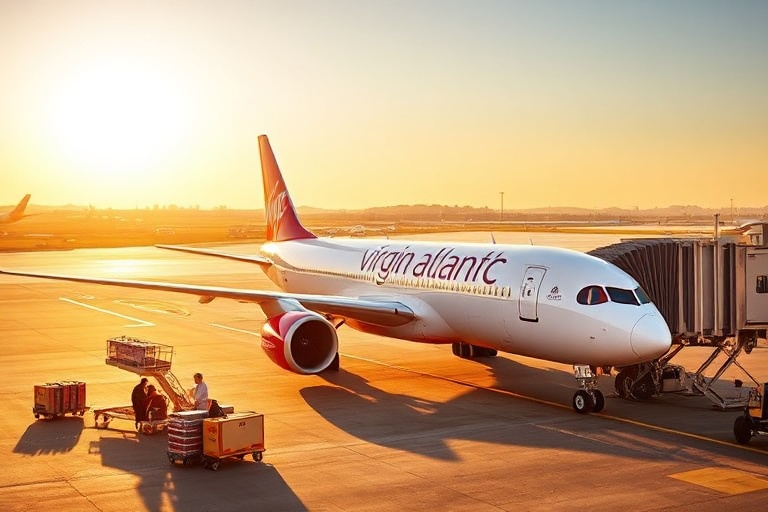
Thanksgiving weekend has long been synonymous with gridlock, overbooked flights, and packed highways. But by 2026, travel patterns may look different. Airlines and transportation networks are investing in AI-driven route optimization, which could reduce delays and improve efficiency. Early data from industry analysts suggests a potential 12% decrease in air travel congestion compared to pre-pandemic levels, thanks to better predictive modeling and expanded regional airport usage.
On the road, alternative routes are gaining traction. Apps that integrate real-time traffic, toll costs, and even weather patterns are becoming standard tools for drivers. The rise of electric vehicles (EVs) is also reshaping the travel experience. More charging stations along major corridors mean fewer stops and less range anxiety—though rural areas may still lag behind.
For those avoiding travel altogether, virtual gatherings are no longer a novelty. While in-person celebrations remain the norm, platforms like Zoom and Meta’s Horizon Worlds are refining their offerings for holiday-specific use. Expect features like shared recipe boards, synchronized meal timers, and even holographic guest appearances to become more polished by 2026.
Key Travel Considerations for Thanksgiving 2026
- AI-powered flight booking: Dynamic pricing and seat selection based on real-time demand patterns.
- EV-friendly routes: Expanded charging infrastructure along I-90, I-40, and other major highways.
- Regional airport growth: Secondary airports like Providence (PVD) and Oakland (OAK) gaining popularity to avoid hub congestion.
- Hybrid celebrations: More households blending in-person guests with remote participants via advanced VR/AR tools.
Food and Supply Chains: From Shortages to Surpluses
The Thanksgiving table is a barometer for broader economic trends, and 2026 may bring both relief and new challenges. Supply chain disruptions that defined the early 2020s have largely stabilized, but localized shortages—especially in fresh produce and certain spices—could still occur due to climate-related farming shifts. Farmers’ markets and local sourcing are expected to play a larger role as consumers prioritize resilience over convenience.
On the menu, plant-based alternatives continue to gain ground. While turkey remains the centerpiece for most households, brands like Beyond Meat and Impossible Foods are rolling out premium “Thanksgiving roasts” designed to mimic traditional flavors and textures. These products are becoming more accessible, with major grocery chains dedicating shelf space to holiday-specific lines.
Another trend to watch is the rise of “pre-fab Thanksgiving kits.” Companies like Goldbelly and Harry & David are offering gourmet meal bundles that include pre-cooked sides, desserts, and even carved turkeys shipped overnight. For busy families or those with limited cooking space, these kits provide a middle ground between homemade and takeout.
The Social Fabric: Who’s at the Table in 2026
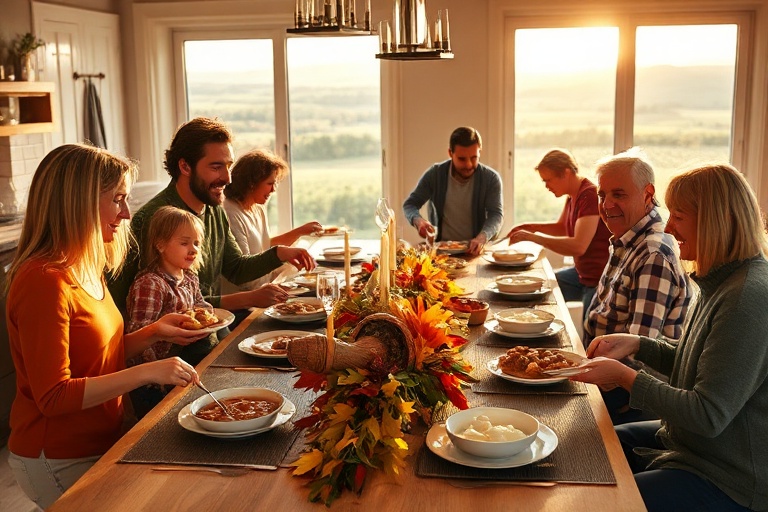
Thanksgiving has always been a mirror to societal changes, and 2026 is no exception. The definition of “family” continues to expand, with blended households, multigenerational living, and chosen families becoming increasingly common. This shift is reflected in how people host—smaller, more intimate gatherings are on the rise, alongside larger, more diverse celebrations.
Another factor is the growing influence of Gen Z and younger millennials, who are reshaping traditions. According to a Pew Research study, 34% of adults under 35 now prioritize experiences over traditional meals, opting for potlucks, food festivals, or even volunteering at shelters over a sit-down dinner. Meanwhile, older generations are embracing flexibility, with many hosting “Friendsgiving” events to accommodate busy schedules or distant relatives.
Cultural fusion is also making its way to the Thanksgiving table. Dishes like pumpkin hummus, tamale stuffing, and miso-glazed Brussels sprouts are appearing alongside classic recipes. Food bloggers and influencers are driving this trend, using platforms like TikTok and Instagram to showcase innovative, inclusive takes on holiday cuisine.
Broader Implications: What Thanksgiving 2026 Reveals About Us
Beyond the turkey and the traffic, Thanksgiving 2026 offers a snapshot of America’s evolving priorities. The holiday’s emphasis on gratitude is more relevant than ever in a polarized political climate and a 24-hour news cycle that often feels overwhelming. Taking a moment to reflect on shared values—rather than divisions—could be one of the holiday’s most enduring contributions.
Economically, Thanksgiving serves as a bellwether for consumer spending. Retailers are already eyeing the weekend as a launchpad for holiday shopping, with Black Friday creeping earlier into the week. The rise of “Gratitude Sales”—limited-time discounts tied to charitable donations—may also gain traction, appealing to socially conscious consumers.
Environmentally, the holiday is forcing conversations about sustainability. From food waste reduction initiatives to carbon-neutral travel options, 2026 could see more households adopting eco-friendly practices. Apps like Too Good To Go and Olio, which connect users with surplus food, are likely to play a role in minimizing waste after the feast.
Ultimately, Thanksgiving remains a holiday of contradictions: a time for both reflection and indulgence, tradition and innovation. As we look ahead to 2026, the challenge will be preserving the warmth and meaning of the holiday while adapting to a world that’s constantly changing.
Whether you’re hosting a 20-person dinner or enjoying a quiet meal with a friend, the essence of Thanksgiving endures. It’s a reminder that, despite our differences, we all share a need for connection, gratitude, and a little extra gravy.
For more on how holidays are evolving in the digital age, explore our Technology and Culture sections.