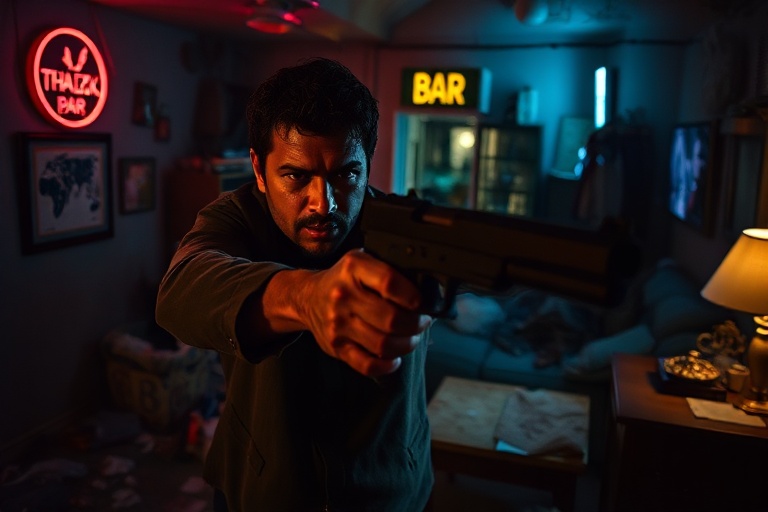
The Boys Season 5 Episode 7: Frenchie’s Sacrifice and the Cost of Resistance
The Boys Season 5 Episode 7: Frenchie’s Sacrifice and the Global Implications of Power
In the seventh episode of The Boys Season 5, Frenchie’s character reaches a pivotal turning point, one that underscores the series’ ongoing critique of unchecked corporate power and the moral compromises of those who fight against it. The episode, titled “The French Dispatch”, delivers a blend of dark humor, visceral action, and emotional weight, reinforcing why the show remains a standout in modern television. While Frenchie’s arc is central to this installment, the episode also weaves in broader themes of resistance, betrayal, and the cost of vengeance—elements that resonate far beyond the confines of its fictional universe.
The Evolution of Frenchie: From Anti-Hero to Martyr
Frenchie, played by Tomer Capon, has always been a complex figure in The Boys—a character caught between his moral compass and the violent world he inhabits. In Season 5 Episode 7, his journey takes a definitive turn. The episode opens with Frenchie grappling with the aftermath of previous seasons’ events, particularly the loss of his friends and the destruction of his found family. His relationship with Soldier Boy and the other Supes forces him to confront the reality that his fight against Vought and its Supes may be futile. Yet, it’s his decision to take direct action against a high-ranking Vought executive that solidifies his role as a tragic figure in the series.
Frenchie’s sacrifice isn’t just a plot device; it’s a commentary on the futility of individual resistance in a system designed to crush dissent. The episode’s climax, where Frenchie detonates a bomb in a Vought facility, is both a moment of catharsis and despair. It’s a reminder that in a world where corporations wield godlike power, even the most determined rebels may find their efforts ending in ashes. This theme resonates globally, particularly in an era where tech giants, pharmaceutical conglomerates, and media empires often operate with impunity.
A Global Lens: Corporate Power and Resistance
The events of The Boys may unfold in a fictional America, but the critique of corporate dominance is universally applicable. Across the globe, from the tech monopolies of Silicon Valley to the pharmaceutical giants of Europe, corporations increasingly shape politics, culture, and even public health. In Brazil, for example, agribusiness giants have faced criticism for their role in deforestation and human rights abuses, while in India, pharmaceutical companies have been scrutinized for their influence over healthcare policies. The show’s exploration of Vought’s unchecked power mirrors these real-world dynamics, where accountability is often an afterthought.
The episode also touches on the idea of “heroism” in a corporate dystopia. Traditional notions of heroism—saving the day, outsmarting the villain—are subverted when Frenchie’s act of defiance results in his own death. This mirrors real-world movements where activists and whistleblowers often face severe consequences for challenging powerful institutions. The episode forces viewers to ask: Is resistance worth the cost? And who, ultimately, gets to decide what’s worth fighting for?
The Boys’ Satirical Edge: Why the Show Strikes a Nerve
The Boys has always thrived on its ability to blend satire with shock value, and Season 5 Episode 7 is no exception. The episode’s title, “The French Dispatch,” is a nod to Wes Anderson’s 2021 anthology film, but the tone couldn’t be more different. Where Anderson’s film is whimsical and nostalgic, The Boys leans into the grotesque and the tragic. The satire here is biting, targeting not just the military-industrial complex but the very idea of corporate personhood and the cult of celebrity that surrounds Supes like Homelander.
The episode’s humor is dark, often undercutting its own moments of tension with absurdity. For instance, the scene where Soldier Boy monologues about the “good old days” of war is both hilarious and unsettling, highlighting the show’s knack for juxtaposing comedy with horror. This balance is what makes The Boys more than just a superhero parody—it’s a commentary on how power corrupts, regardless of the context. Whether it’s the military, big tech, or Hollywood, the structures of power remain largely unchanged, and the show holds up a mirror to that reality.
What’s Next for Frenchie’s Legacy
Frenchie’s death in Episode 7 is a turning point for the series, but it also sets the stage for future conflicts. His sacrifice may inspire other characters to take up the mantle of resistance, or it may push them further into despair. The episode leaves several questions unanswered: Will the other members of the Boys, like Hughie or Butcher, continue their fight? How will Soldier Boy’s growing influence reshape the power dynamics? And what role will Vought’s new generation of Supes play in the coming battles?
One thing is certain: Frenchie’s arc highlights the show’s commitment to exploring the human cost of fighting systemic oppression. In a world where corporations and governments often act with impunity, his story serves as a reminder that resistance, while costly, is not in vain. The episode’s final moments, where the camera lingers on Frenchie’s lifeless body, are a stark contrast to the invincibility of Supes like Homelander. It’s a visual and emotional gut-punch, one that lingers long after the credits roll.
The Bigger Picture: Why The Boys Matters Now More Than Ever
As The Boys continues to push boundaries, its relevance in today’s socio-political climate cannot be overstated. The series taps into a global unease about the concentration of power in the hands of a few, whether it’s tech billionaires, pharmaceutical executives, or media moguls. In Europe, debates rage over the influence of Big Tech on democracy, while in the U.S., antitrust lawsuits and public backlash against corporate greed dominate headlines. The show’s exaggerated portrayal of these issues serves as a cautionary tale, warning viewers about the dangers of complacency.
Moreover, The Boys challenges the idea of “chosen ones” and destiny, themes that are central to traditional superhero narratives. Frenchie’s story is a rejection of the notion that heroes are born, not made. Instead, the series argues that heroism is a choice—a choice that often comes with a heavy price. This theme resonates in a world where young activists, from climate strikers to social justice warriors, are increasingly taking on powerful institutions, often at great personal cost.
For fans of the show, Episode 7 is a reminder of why The Boys stands out in the crowded landscape of superhero television. It’s not just about spectacle or shock value; it’s about asking hard questions and refusing easy answers. As the season progresses, it will be fascinating to see how the other characters grapple with Frenchie’s legacy and what it means for their own journeys.
Final Thoughts: A Series That Keeps Evolving
The Boys Season 5 Episode 7 is a masterclass in balancing dark humor, emotional depth, and sharp social commentary. Frenchie’s arc is a standout, but it’s part of a larger tapestry that critiques everything from celebrity culture to corporate power. The episode’s global themes—corporate dominance, resistance, and sacrifice—ensure that its message resonates far beyond the confines of its fictional universe.
As the season unfolds, viewers can expect more twists, more betrayals, and more moments that challenge their perceptions of heroism and villainy. But one thing is clear: The Boys isn’t just a show about superheroes. It’s a show about power, and the people who dare to fight against it.
For those looking to dive deeper into the themes explored in this episode, check out our analysis of Entertainment trends or explore the darker side of power in our Culture section.