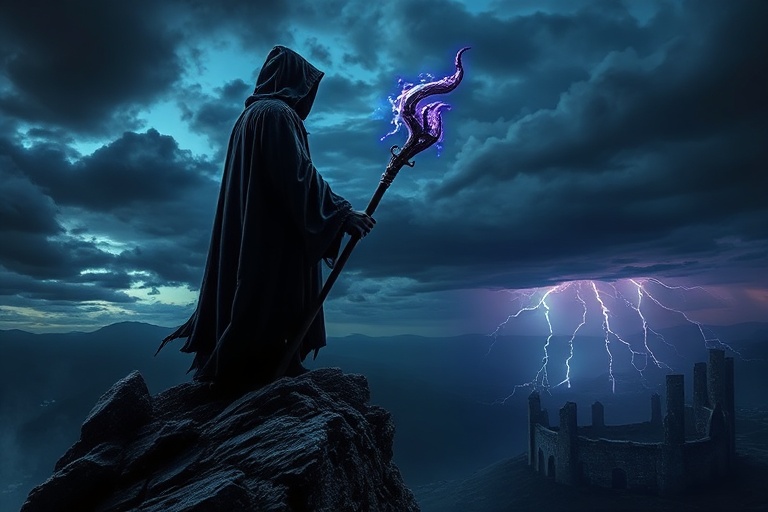
the dark wizard
The Dark Wizard: A Global Exploration of Modern Mythmaking
The figure of the dark wizard persists across cultures, evolving from ancient folklore to contemporary digital narratives. This archetype—whether as a villain, antihero, or cautionary tale—serves as a mirror for societal fears, technological anxieties, and moral ambiguities. From the witch trials of early modern Europe to the blockbuster villains of today, the dark wizard remains a potent symbol, adapting to the anxieties of each era.
In 2023, streaming platforms and gaming industries have amplified this figure’s reach. The dark wizard is no longer confined to dusty grimoires; it now thrives in pixels and streaming algorithms. This shift reflects a broader cultural fascination with power, corruption, and the supernatural, themes that resonate globally. To understand this phenomenon, we must examine its historical roots, its modern incarnations, and the psychological undercurrents that keep it alive.
The Historical Roots of the Dark Wizard
The concept of the dark wizard is deeply embedded in human history. Ancient civilizations, from Mesopotamia to medieval Europe, documented figures who wielded forbidden knowledge. These figures often embodied the dangers of unchecked ambition or the perils of defying natural order. In Mesopotamian mythology, figures like the sorcerer Asag represented chaos and destruction, while European witch trials of the 16th and 17th centuries demonized individuals—primarily women—accused of consorting with dark forces.
These historical narratives were not merely tales of superstition. They served as tools for social control, scapegoating marginalized groups during periods of upheaval. The dark wizard, in these contexts, became a symbol of the unknown, a way to rationalize the inexplicable. Even today, the trope endures in political rhetoric, where leaders and media often label opponents as “evil” or “sorcery-like” to undermine their credibility.
The evolution of the dark wizard from folklore to modern fiction reflects broader societal changes. The industrial revolution, for instance, introduced new fears about mechanization and loss of humanity, themes later echoed in science fiction’s dark wizards—think of the mad scientists of the 19th century or the cybernetic overlords of the 21st. These figures represent humanity’s unease with progress and the unknown consequences of innovation.
Modern Incarnations: From Page to Screen
In the 20th and 21st centuries, the dark wizard has transitioned from oral tradition to mass media. J.K. Rowling’s Harry Potter series brought the archetype to a global audience, framing it within a coming-of-age narrative. Voldemort, the series’ primary antagonist, is more than a villain; he embodies the dangers of unchecked power, ideological extremism, and the rejection of love and community. His character resonates because he is not just evil for evil’s sake—he is a product of his environment, shaped by trauma and ambition.
Beyond literature, the dark wizard has flourished in gaming and digital media. Titles like The Witcher 3: Wild Hunt and Elden Ring feature dark wizards as central antagonists, blending myth with interactive storytelling. These characters are often complex, neither purely good nor evil, which reflects modern audiences’ preference for morally ambiguous narratives. The rise of open-world games has allowed players to explore the consequences of dark magic firsthand, blurring the line between player and protagonist.
Streaming platforms have also embraced the dark wizard trope. Series like The Witcher on Netflix and Shadow and Bone on HBO Max reimagine these characters for contemporary audiences, often with a focus on diversity and cultural reinterpretation. For example, the dark witch Baba Yaga, originally a Slavic folktale figure, has been reimagined in Entertainment media as a morally ambiguous guardian of nature, reflecting modern environmental concerns.
This global reinterpretation highlights the dark wizard’s versatility. In Japanese media, figures like Urobutcher from JoJo’s Bizarre Adventure or the witches of Puella Magi Madoka Magica explore themes of sacrifice and existential dread. Meanwhile, in African storytelling, dark wizards often serve as cautionary tales about greed and betrayal, as seen in Nollywood films and oral traditions. The archetype’s adaptability ensures its relevance across cultures, making it a universal language of fear and fascination.
The Psychological and Societal Appeal
Why does the dark wizard continue to captivate audiences worldwide? Psychologically, these figures tap into primal fears—of the unknown, of losing control, and of the corrupting influence of power. The dark wizard represents the shadow self, the part of us that fears our own potential for destruction. This is why villains like Voldemort or Dark Souls’ Manus are so compelling; they are not just external threats but manifestations of our own inner turmoil.
Societally, the dark wizard serves as a scapegoat for collective anxieties. In an era of rapid technological change, climate crisis, and political instability, the dark wizard becomes a symbol of the forces we cannot control. The rise of conspiracy theories during the COVID-19 pandemic, for example, often framed global elites as “dark sorcerers” pulling unseen strings. This rhetoric is not new—it echoes historical anti-Semitic tropes and medieval fears of witchcraft—but it has been amplified by digital echo chambers.
The dark wizard also reflects modern disillusionment with authority. In an age where traditional institutions are increasingly distrusted, the dark wizard becomes a figure of rebellion. This is evident in the popularity of antiheroes in Gaming and television, from the morally gray protagonists of Breaking Bad to the rogue mages of Elder Scrolls. These characters challenge the status quo, offering a sense of agency in a world that often feels powerless.
Moreover, the dark wizard trope allows audiences to explore taboo subjects in a safe context. By framing complex issues—such as mental illness, addiction, or systemic oppression—as “dark magic,” creators can engage audiences with difficult topics without overwhelming them. This is particularly evident in animated series like Arcane, where the character of Silco embodies the cyclical nature of violence and trauma, wrapped in a visually stunning dark fantasy aesthetic.
The Dark Wizard in the Digital Age
The 21st century has transformed the dark wizard from a static archetype into a dynamic, interactive phenomenon. Social media platforms like TikTok and YouTube have given rise to a new breed of digital “dark wizards”—influencers and content creators who blend mysticism with modern aesthetics. These figures often curate personas that play with the dark wizard trope, selling merchandise, courses, or even spiritual guidance under the guise of forbidden knowledge.
This digital iteration of the dark wizard reflects a broader cultural shift toward individualism and self-optimization. The promise of unlocking hidden potential—whether through “dark magic” or self-help gurus—appeals to those seeking control in an uncertain world. However, this commodification of the archetype also raises ethical questions. When dark magic becomes a marketing tool, what happens to its original cautionary purpose? Are we trivializing centuries of folklore, or are we simply adapting it to new forms of storytelling?
The dark wizard’s presence in esports and gaming communities further complicates its role. In competitive gaming, terms like “cheater” or “exploiter” are often framed as dark magic, a way to demonize opponents without addressing the systemic issues within the industry. Similarly, the rise of AI and deepfake technology has introduced new fears about “digital sorcery”—the idea that unseen forces can manipulate reality. This anxiety is reflected in media like Black Mirror, where technology itself becomes the dark magic of the modern age.
Yet, even in these digital spaces, the dark wizard retains its power to provoke thought. Online forums and fan communities dissect these characters with the same fervor as ancient scholars debated religious texts. The dark wizard, in this context, becomes a catalyst for dialogue—about ethics, about power, and about the human condition.
A Conclusion: The Enduring Shadow
The dark wizard is more than a relic of the past or a trope of fantasy. It is a living archetype, constantly evolving to reflect the fears and aspirations of each generation. From ancient grimoires to viral TikTok trends, this figure persists because it speaks to something fundamental within us: the struggle between light and dark, order and chaos, control and surrender.
As technology advances and global challenges mount, the dark wizard will likely continue to adapt. Perhaps it will merge with AI, becoming a sentient force of destruction. Or maybe it will retreat into the shadows, only to reemerge when society once again needs a scapegoat or a cautionary tale. One thing is certain: the dark wizard is not going anywhere. It is woven into the fabric of human storytelling, a testament to our enduring fascination with the unknown and the unknowable.
For those who wish to explore this theme further, Entertainment and Gaming offer rich veins of content. Whether through a classic novel, a blockbuster film, or an indie game, the dark wizard awaits—ready to challenge, frighten, and ultimately, illuminate.