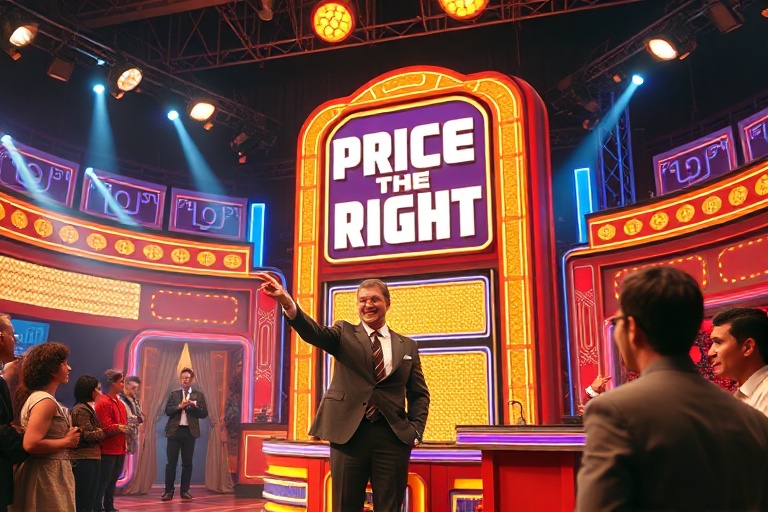
The Price is Right has stood as a cornerstone of daytime television for half a century, blending entertainment, suspense, and the timeless allure of consumer culture. Premiering on September 4, 1972, the show became an instant hit under the guidance of host Bob Barker, whose warm demeanor and memorable sign-off—“Help control the pet population. Have your pets spayed or neutered.”—became iconic. Over the years, the franchise has evolved, survived format shifts, and welcomed new hosts while maintaining its core appeal: letting ordinary people compete for real prizes in a celebration of everyday life.
The Origins and Evolution of a Television Staple
Created by Bob Stewart and originally hosted by Bill Cullen, the original version of The Price is Right premiered on NBC before moving to ABC. The show’s premise was simple yet revolutionary: contestants guessed the retail prices of everyday items, with the closest bidder winning the prize. Unlike typical game shows of the era, which focused on trivia or luck, this format centered on consumer knowledge—a reflection of post-war America’s booming retail economy.
In 1988, CBS revived the franchise with Bob Barker at the helm, transforming it into the cultural touchstone it remains today. Barker’s 35-year tenure saw the show introduce classics like “Plinko,” “Cliff Hangers,” and “Showcase Showdowns,” each designed not just to entertain, but to create moments of genuine surprise. The show’s longevity is a testament to its adaptability. While game shows often fade with changing trends, The Price is Right has thrived by embracing new products, technologies, and even a 2007 transition to high-definition broadcasting.
Behind the Scenes: How the Show Keeps It Real
The magic of The Price is Right lies in its authenticity. Unlike scripted reality TV, the contestants are real people with real stories. Many are first-time visitors to Los Angeles, fulfilling lifelong dreams of appearing on television. The show’s producers work closely with local communities and organizations to find diverse contestants, ensuring representation across age, race, and background. Each episode features a mix of returning players and first-time bidders, creating a dynamic and unpredictable atmosphere.
Behind the bright lights and polished set, the production process is meticulous. Before taping, contestants undergo a thorough screening process, including background checks and briefings on set etiquette. Producers provide training on how to bid naturally, how to react on camera, and even how to stand and gesture—all to maintain the show’s polished yet spontaneous feel. The pricing games themselves are carefully designed to balance skill and chance, ensuring that victories feel earned, not rigged.
The Psychology of Pricing: Why We Watch and Play Along
The Price is Right taps into a fundamental human curiosity: the value of things. Every episode invites viewers at home to guess along, testing their own knowledge of retail prices. This interactive element transforms passive watching into active participation. Studies have shown that people are more likely to remember and trust pricing information when it’s presented in an engaging format like a game show. In an era of algorithm-driven shopping and dynamic pricing, the show’s reliance on fixed retail costs feels refreshingly transparent.
The show also plays on the psychology of competition and reward. Contestants aren’t just playing for themselves; they’re often competing for life-changing prizes, from cars and dream vacations to appliances and furniture. The emotional highs when a contestant wins a car—or the groan when they overbid by a single dollar—create emotional resonance. This emotional payoff is why the show has inspired countless parodies, memes, and even academic studies on consumer behavior.
The Role of Prizes in Shaping the Show’s Identity
Prizes have always been central to The Price is Right. In the 1970s, winners took home basic household items like toasters and blenders. By the 1990s, the show was giving away luxury cars, dream homes, and even exotic vacations. Today, sponsors like Ford, Amazon, and Carnival Cruises contribute high-value prizes, often worth tens of thousands of dollars. The prizes aren’t just rewards; they’re a reflection of America’s changing consumer landscape.
Some critics argue that the show’s reliance on expensive prizes creates an unrealistic fantasy for viewers. After all, most people don’t win cars or trips on a regular basis. Yet, this disconnect is part of the appeal. The prizes serve as aspirational goals, a reminder of what’s possible with a bit of luck and skill. They also highlight the show’s commitment to showcasing real-world products. Unlike infomercials or product placements, The Price is Right presents items in an organic, entertaining way—whether it’s a state-of-the-art kitchen range or a family vacation package.
Controversies and Challenges: The Show’s Bumpy Moments
Despite its success, The Price is Right has faced its share of controversies. In 2008, the show was embroiled in a lawsuit alleging that producers routinely manipulated the outcomes of games to benefit returning champions. The case, Goldberg v. CBS Broadcasting, dragged on for years and ultimately led to changes in how the show selects and manages contestants. While the allegations were never fully substantiated, the lawsuit cast a shadow over the show’s reputation for fairness.
The show has also grappled with the challenge of maintaining relevance in a fragmented media landscape. As streaming services and social media platforms compete for attention, traditional game shows have struggled to attract younger audiences. CBS has responded by introducing digital components, such as interactive apps and social media tie-ins, to engage viewers beyond the broadcast. Yet, the core appeal of the show remains its timeless format—a testament to the enduring power of simple, honest entertainment.
From Barker to Carey: The Host Transition and Legacy
Bob Barker’s retirement in 2007 marked the end of an era. His successor, Drew Carey, brought a different energy to the show—more comedic, less formal. While some fans were skeptical about the transition, Carey quickly won over audiences with his self-deprecating humor and genuine enthusiasm. His ability to connect with contestants and viewers alike helped the show maintain its popularity during a time of industry upheaval.
Carey’s leadership also coincided with the show’s embrace of digital media. Under his tenure, The Price is Right launched a YouTube channel, partnered with influencers, and even experimented with virtual tapings during the COVID-19 pandemic. These adaptations ensured that the show remained accessible even when live audiences were impossible. Today, the show stands as a bridge between generations, appealing to long-time fans while introducing new viewers to its classic charm.
The Future of The Price is Right: What’s Next?
As The Price is Right approaches its 60th anniversary, its future looks bright. CBS has renewed the show through at least 2025, and discussions about a streaming revival or international spin-offs are ongoing. The franchise has already expanded into podcasts, merchandise, and even a board game, proving that its appeal extends far beyond the television screen.
One potential evolution is the integration of augmented reality (AR) and virtual reality (VR) technologies. Imagine contestants using AR glasses to “see” the price of an item in real time, or VR experiences that transport them to a tropical resort when they win a vacation. While these ideas are still speculative, they highlight the show’s potential to innovate while staying true to its roots.
The show’s enduring popularity also speaks to its cultural significance. It has been referenced in countless TV shows, movies, and songs, and its catchphrases—“Come on down!” and “Bidder’s row!”—are instantly recognizable. For many Americans, watching The Price is Right is a ritual, a shared experience that transcends generations. Whether it’s a child watching for the first time or a grandparent reminiscing about Bob Barker’s sign-off, the show continues to foster connection in an increasingly digital world.
As the franchise looks ahead, one thing is clear: The Price is Right is more than just a game show. It’s a cultural institution, a mirror of American consumerism, and a testament to the power of simple, joyful entertainment. In a media landscape dominated by complexity and controversy, the show’s enduring appeal lies in its authenticity. It reminds us that sometimes, the simplest pleasures—guessing a price, hearing a crowd cheer, seeing someone’s dream come true—are the most satisfying of all.
For fans looking to dive deeper into the world of game shows, Dave’s Locker’s Entertainment section offers in-depth analysis and retrospectives on television’s most beloved programs. And for those interested in the business side of television, our Business category explores how game shows like The Price is Right shape the media landscape.