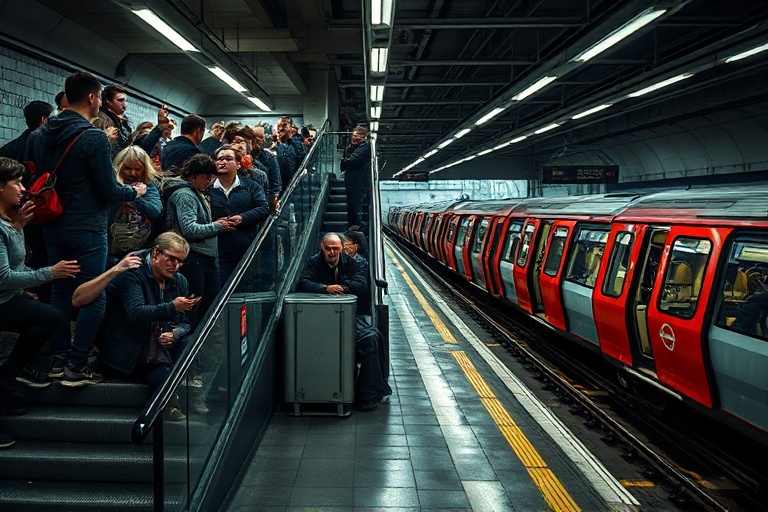
The London Underground faces another round of industrial action next week as unions escalate pressure over ongoing disputes with Transport for London (TfL). The strikes, scheduled for Tuesday and Thursday, mark the latest in a series of walkouts that have disrupted commutes since early summer. With TfL’s funding crisis and union demands for better pay and conditions unresolved, the timing of these strikes couldn’t be worse for workers and businesses alike.
Commuters should brace for significant disruptions. According to TfL’s latest advisory, key lines including the Central, Piccadilly, and Victoria will experience reduced services or full closures during peak hours. Stations in central London may see reduced staffing, leading to longer queues and potential overcrowding on remaining trains. The RMT and Unite unions have confirmed the action, emphasizing their frustration with TfL’s refusal to meet their demands for inflation-adjusted pay rises and job security guarantees.
Why Are the Strikes Happening Now?
The current wave of strikes stems from a breakdown in negotiations between TfL and the unions representing tube staff. The unions argue that TfL’s offer—a 5% pay rise over two years—falls far short of the real-term wage cuts workers have endured due to inflation. The dispute also involves concerns over job losses, particularly in light of TfL’s plans to modernize ticket offices and reduce staffing levels.
TfL, meanwhile, has cited financial constraints as the primary obstacle to meeting union demands. The organization faces a £730 million funding gap, exacerbated by reduced fare revenue and the lingering effects of the pandemic. Mayor Sadiq Khan has acknowledged the challenges but reiterated that TfL cannot afford unsustainable pay deals without risking service cuts or fare hikes down the line. The political stakes are high, with Khan walking a tightrope between supporting workers and maintaining fiscal responsibility.
- Union Demands: Inflation-linked pay rises, no job cuts, and improved pensions.
- TfL’s Position: Limited funds require balanced pay offers; automation and efficiency are unavoidable.
- Public Impact: Commuters face repeated disruptions, eroding trust in the Underground’s reliability.
Which Lines Will Be Affected and How?
The strikes will target the Tube network on Tuesday, October 10, and Thursday, October 12, with services expected to run at minimal capacity. The following lines are likely to be most affected:
- Central Line: Partial service between Ealing Broadway and Leytonstone, with no trains running through central London during peak hours.
- Piccadilly Line: Closure between Cockfosters and Heathrow, with replacement buses operating between key stations.
- Victoria Line: Reduced frequency, with trains running every 10-15 minutes instead of the usual 2-3 minutes during rush hour.
- Jubilee Line: Limited service between Stratford and Wembley Park, causing knock-on delays for commuters heading to Canary Wharf or Westminster.
Commuters are advised to check TfL’s Transport updates page for real-time service changes. Alternative routes, such as using overground trains or buses, are expected to be overwhelmed, so planning ahead is critical. Some employers have already announced flexible working arrangements or remote options for staff to mitigate the impact.
How Businesses and Workers Are Responding
London’s business community is bracing for a hit, particularly in the financial and hospitality sectors, where punctuality is non-negotiable. The City of London Corporation has warned that repeated strikes could deter investment and strain local economies. Meanwhile, small businesses near major Tube hubs, such as those around Liverpool Street or King’s Cross, report a 20-30% drop in foot traffic on strike days.
For workers, the strikes compound the frustration of unreliable transport. A survey by the London Chamber of Commerce found that 62% of employees have experienced delays or cancellations due to strikes this year, with many considering hybrid work arrangements permanent. However, not all industries can accommodate remote work. Healthcare, education, and emergency services will feel the strain as staff struggle to reach hospitals, schools, or operational centers.
Some employers are taking proactive steps. Tech firms in Shoreditch and financial services in Canary Wharf have arranged shuttle buses or partnered with ride-sharing apps to transport employees. Others are offering subsidies for bike rentals or temporary accommodation near offices. The latest news suggests that these measures are helping, but the long-term solution remains elusive.
What’s Next for TfL and the Unions?
The immediate focus is on damage control. TfL has deployed additional staff at major stations to manage crowds and provide updates, while the unions have called for emergency talks with Mayor Khan. The government’s role in mediating the dispute is also under scrutiny. Transport Secretary Mark Harper has urged both sides to return to negotiations, warning that continued strikes risk undermining London’s economic recovery.
Looking ahead, the strikes highlight deeper issues within London’s transport ecosystem. The reliance on aging infrastructure, coupled with underfunding and labor disputes, points to systemic challenges. Industry analysts suggest that TfL may need to explore alternative funding models, such as congestion charges or public-private partnerships, to bridge the financial gap. For the unions, the strikes are a last resort to force TfL to the negotiating table, but they also risk alienating the public if disruptions persist.
The coming weeks will be critical. If the strikes continue, TfL may be forced to implement service reductions permanently, while the unions could escalate their tactics. For now, Londoners are left to navigate the chaos, hoping for a resolution that balances worker rights with the city’s economic needs.
Key Takeaways for Commuters:
- Check TfL’s website or app for live updates on strike-affected lines.
- Allow extra travel time and consider alternative routes or transport modes.
- Communicate with employers about flexible working arrangements or support available.
- Stay informed about any last-minute negotiations that could avert the strikes.
Disclaimer: This article was written for informational purposes only. For official updates, visit Transport for London.