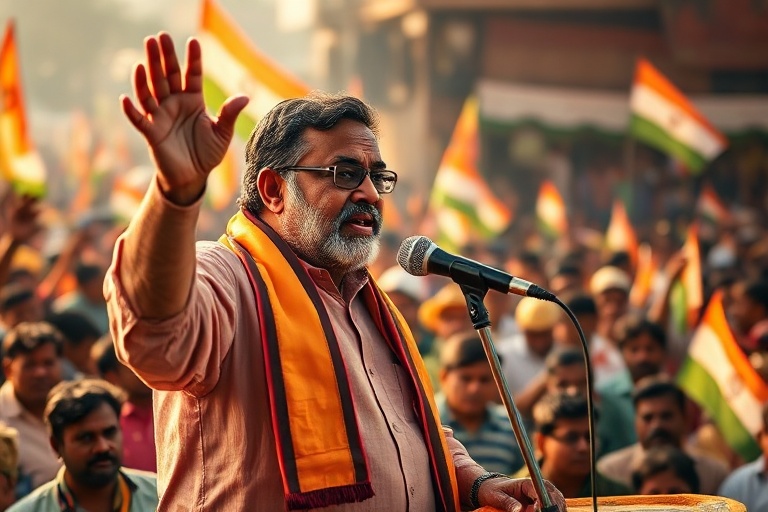
Who Is VD Satheesan: The Rising Voice in Kerala’s Political Landscape
In the vibrant political ecosystem of Kerala, few names have risen as rapidly as VD Satheesan. As a prominent leader in the Indian National Congress (INC) and the current Leader of the Opposition in the Kerala Legislative Assembly, Satheesan represents a new generation of politicians reshaping public discourse in southern India. His trajectory from grassroots activism to the pinnacle of state politics reflects broader shifts in Indian democracy, where regional voices increasingly challenge entrenched power structures.
Born in 1965 in the coastal district of Kollam, Satheesan’s early life was shaped by the social and economic realities of Kerala. The state’s legacy of high literacy, strong labor movements, and robust civil society provided fertile ground for his political awakening. Unlike many of his contemporaries who entered politics through family lineage, Satheesan built his reputation through grassroots engagement, earning respect for his accessibility and direct communication style.
His political career gained momentum during the 2010s, a period marked by intense competition between the Communist Party of India (Marxist)-led Left Democratic Front (LDF) and the Congress-led United Democratic Front (UDF). As the UDF sought to reclaim influence after successive electoral losses, Satheesan emerged as a key strategist and orator, helping restore public confidence in the Congress party’s vision for Kerala.
The Leadership Style That Redefines Opposition Politics
Satheesan’s leadership style is often characterized by its clarity and directness. In a political environment where ambiguity and bureaucratic language often dominate, he has carved a niche by speaking plainly—sometimes bluntly—about governance failures, corruption, and policy missteps. This approach resonates with voters frustrated by opaque decision-making processes in both state and central governments.
His public addresses frequently highlight issues such as unemployment, agricultural distress, and the need for inclusive development. Unlike traditional opposition leaders who rely on ideological rhetoric, Satheesan blends practical concerns with a strong emphasis on constitutional values. This balance has helped him connect with diverse segments of Kerala’s electorate, from urban professionals to rural workers.
One notable aspect of his leadership is his digital presence. Satheesan has effectively used social media platforms to amplify his messages, bypassing traditional media gatekeepers and reaching millions directly. His use of Malayalam and English in online content ensures accessibility across linguistic and generational divides—a crucial factor in a state with high digital literacy rates.
In a 2023 interview, he stated, “Politics is not about winning battles of words, but about solving people’s problems. If we cannot deliver on basic needs like healthcare, education, and jobs, then no amount of rhetoric will suffice.” This statement underscores his pragmatic approach and rejection of performative politics.
Cultural Context: Kerala’s Unique Political Ecosystem
Kerala’s political culture is distinct within India due to its high voter turnout, strong civil society networks, and history of progressive reforms. The state has consistently ranked at the top in human development indices, yet faces challenges such as rising unemployment, brain drain, and environmental degradation. In this context, Satheesan’s rise must be understood not just as an individual achievement, but as part of a larger transformation in Kerala’s political narrative.
The state has long been a battleground between leftist ideologies and centrist or right-leaning alternatives. Satheesan’s Congress party occupies the middle ground, advocating for social justice while promoting market-friendly policies. This positioning allows him to appeal to both traditional Congress supporters and younger, aspirational voters disillusioned with ideological extremes.
Kerala’s cultural fabric also plays a role in shaping political communication. The state has a rich tradition of public speaking, with oratory skills often determining electoral success. Satheesan’s background in the cultural sphere—he was involved in theater and literary circles during his youth—has honed his ability to connect emotionally with audiences. His speeches often reference Malayalam poetry, folklore, and historical anecdotes, embedding political messages in familiar cultural contexts.
Moreover, Kerala’s high levels of migration—both internal and international—create a diaspora that remains politically engaged. Satheesan has actively reached out to the Malayali diaspora, recognizing their influence in shaping public opinion both within Kerala and abroad. This global perspective adds another layer to his political strategy.
Global Perspective: Lessons from International Opposition Leaders
Satheesan’s political journey invites comparison with opposition leaders from other democracies who have successfully challenged entrenched regimes. Like Spain’s Pablo Iglesias or South Africa’s Julius Malema, he represents a generation of leaders who use digital tools to mobilize support and bypass traditional media. His emphasis on transparency and accountability aligns with global trends in political communication, where authenticity often trumps polished messaging.
However, Kerala’s political landscape remains unique. Unlike European democracies where opposition leaders often have clear ideological roots, Indian opposition politics is fragmented and coalition-driven. Satheesan’s ability to maintain cohesion within the UDF coalition—despite ideological differences among its constituents—demonstrates his diplomatic acumen.
Another global parallel can be drawn with leaders from small states or regions who gain prominence by focusing on local issues. For instance, Scotland’s Nicola Sturgeon and Quebec’s François Legault rose to power by addressing regional concerns while navigating larger national frameworks. Similarly, Satheesan’s focus on Kerala’s specific challenges—such as coastal erosion, migrant worker rights, and educational reforms—has strengthened his local appeal.
His engagement with international forums also reflects a broader trend among regional leaders seeking global visibility. Satheesan has participated in discussions on climate change and labor rights at international platforms, positioning Kerala as a state with progressive policies in these areas. This global engagement not only enhances his profile but also brings attention to issues often overlooked in national discourse.
Challenges and Criticisms: Navigating a Complex Political Terrain
Despite his growing influence, Satheesan faces significant challenges. The LDF government, led by Chief Minister Pinarayi Vijayan, has maintained strong public support due to its handling of the COVID-19 pandemic and infrastructure projects. Criticizing a government with high approval ratings requires careful messaging and substantial evidence of failures.
Some political observers argue that Satheesan’s direct style occasionally borders on confrontation, which may limit his appeal among undecided voters. Others point to internal party dynamics within the Congress, where factionalism and power struggles could undermine his leadership. Satheesan has acknowledged these challenges, stating in a public address, “Opposition is not about opposing for the sake of it. It is about offering a credible alternative.”
Additionally, Kerala’s complex social fabric—marked by caste, religious, and regional divisions—demands a delicate balancing act. Satheesan has been criticized by some for not sufficiently addressing the concerns of marginalized communities, including Dalits and Adivasis. His response has been to expand the Congress party’s outreach programs, ensuring greater inclusion in policy discussions and candidate selection.
Another criticism comes from environmental activists who argue that his support for infrastructure projects, such as the SilverLine semi-high-speed rail, contradicts his stated commitment to sustainability. Satheesan has defended these projects as necessary for economic growth, while also acknowledging the need for ecological safeguards.
The Road Ahead: What’s Next for VD Satheesan?
Looking forward, Satheesan’s political future appears promising but uncertain. The upcoming state elections will be a critical test of his leadership and the UDF’s ability to regain power. His campaign strategy will likely focus on three key areas: job creation, healthcare reform, and digital governance. These themes align with the aspirations of Kerala’s youth, who form a significant portion of the electorate.
Satheesan has also hinted at expanding his role beyond Kerala. There are discussions about his potential involvement in national-level Congress initiatives, particularly in states with similar political dynamics. His ability to articulate a unifying vision for the Congress—one that balances regional aspirations with national cohesion—could position him as a key player in India’s opposition politics.
Regardless of the electoral outcomes, Satheesan’s impact on Kerala’s political culture is already evident. He has redefined what it means to be an opposition leader in a state dominated by a single party for decades. By prioritizing transparency, digital engagement, and grassroots connectivity, he has set a new benchmark for political communication in India.
As Kerala continues to evolve, Satheesan’s leadership will be a defining factor in shaping the state’s future. Whether he leads the government or remains a powerful voice in the opposition, his influence on Kerala’s political narrative is undeniable. For political analysts and citizens alike, watching his journey offers valuable insights into the changing dynamics of Indian democracy.
For those interested in the broader trends shaping Indian politics, exploring the evolving role of opposition leaders in other states can provide valuable context. The Politics section on Dave’s Locker offers in-depth analysis on similar topics, highlighting how regional leaders are redefining national discourse.