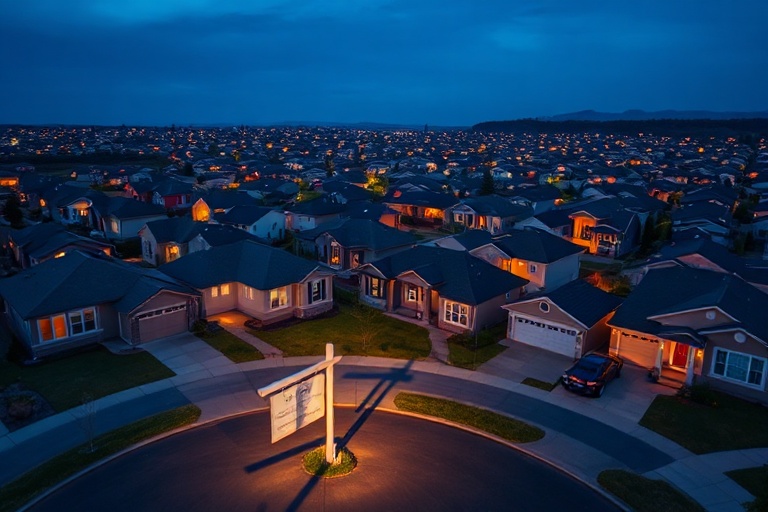
Why Housing Prices Keep Rising and What It Means for You
The cost of housing has become one of the defining economic challenges of our time. Across major cities and suburban neighborhoods alike, prospective buyers and renters face sticker shock at every turn. But what exactly is driving these relentless price increases? The answer isn’t as simple as supply and demand—though those factors play a role. Instead, a complex web of economic policies, demographic shifts, and market behaviors has reshaped the housing landscape in ways that benefit some while leaving others behind.
The Role of Interest Rates in Shaping Affordability
Interest rates have long been a cornerstone of housing affordability. When rates are low, borrowing becomes cheaper, allowing more people to enter the market. Conversely, higher rates tighten budgets and reduce purchasing power. Over the past decade, central banks around the world kept rates at historic lows to stimulate economic growth. This policy fueled a surge in demand for homes, pushing prices upward.
But the pendulum has swung dramatically. In 2022 and 2023, central banks rapidly raised interest rates to combat inflation. Mortgage rates more than doubled in some markets, making monthly payments unaffordable for many. The immediate effect was a slowdown in home sales. Yet, paradoxically, prices in many areas remained stubbornly high. Why? Because the supply of available homes had not kept pace with the demand created over years of underbuilding.
The Federal Reserve’s actions were necessary to cool inflation, but they also exposed a critical vulnerability in the housing system. A generation of potential buyers now faces a market where homeownership feels increasingly out of reach. This isn’t just a matter of affordability—it’s a structural issue that could reshape societal norms around housing for decades.
Demographics and the Changing Face of Demand
Another layer to this crisis is the shifting demographics of homebuyers. Millennials, the largest generational cohort in U.S. history, are now in their prime homebuying years. Many delayed purchasing due to student debt, high rents, or economic uncertainty during the Great Recession. Now, as they enter the market en masse, they’re competing with older generations who are staying in their homes longer than previous cohorts.
This delayed exit from the housing market by baby boomers has reduced the inventory of starter homes. At the same time, millennials are seeking larger homes to accommodate growing families, further straining the supply of mid-tier properties. The result is a market where entry-level homes are scarce, and competition drives prices up.
Urbanization trends also play a role. While cities have long been magnets for young professionals, the pandemic accelerated a shift toward suburban and even rural living. However, this migration hasn’t uniformly lowered prices. In many suburban areas, demand has surged, outpacing new construction and pushing prices higher. Meanwhile, rural markets that once offered affordable alternatives are now facing their own price spikes due to remote work trends.
Key Factors Driving Housing Demand
- Millennial homebuying surge: A large cohort entering the market simultaneously.
- Delayed retirement among older generations: Fewer homes hitting the resale market.
- Remote work flexibility: Expanding geographic search areas for buyers.
- Investor activity: Corporate and individual investors snapping up properties for rental income.
- Limited new construction: Labor shortages and zoning restrictions constrain supply.
The Investor Effect: How Big Money is Reshaping the Market
One of the most controversial developments in recent years has been the rise of institutional investors in the housing market. Companies like Blackstone and Invitation Homes have purchased tens of thousands of single-family homes, converting them into rental properties. This trend has been particularly pronounced in Sun Belt cities like Phoenix and Atlanta, where investors have driven up prices through bulk purchases.
Critics argue that this corporate landlord model reduces homeownership opportunities for individuals. When investors dominate a neighborhood, they often price out first-time buyers, turning what should be a path to wealth-building into a cycle of rentership. Proponents, however, contend that these investors provide much-needed rental housing in markets where construction hasn’t kept up with demand.
The debate highlights a deeper tension in housing policy. Should housing be treated primarily as a financial asset, or as a basic human need? The growing presence of institutional investors suggests the former is winning out. This has led to calls for policies that incentivize individual ownership, such as tax breaks for first-time buyers or stricter regulations on corporate landlords.
Policy Solutions and the Path Forward
Addressing the housing crisis requires a multifaceted approach. On the supply side, zoning reforms could unlock millions of new homes. Cities like Minneapolis and Portland have already eliminated single-family zoning, allowing for denser, more affordable housing options. State and federal governments could also incentivize the construction of affordable and middle-income housing through tax credits and grants.
On the demand side, policies that make homeownership more accessible are critical. Expanding down payment assistance programs and offering fixed-rate mortgages with lower barriers to entry could help level the playing field. Additionally, stricter regulations on investor purchases in hot markets might prevent corporate entities from outbidding individuals.
Yet, none of these solutions will be effective without political will. Housing policy has long been a contentious issue, with homeowners often resistant to changes that might lower their property values. Meanwhile, renters and prospective buyers have fewer advocates in the halls of power. The result is a system that perpetuates inequality rather than addressing it.
For now, the market remains in flux. Interest rates may stabilize, and construction could eventually catch up with demand. But the structural issues—demographic pressures, investor dominance, and policy inertia—will not disappear overnight. The housing crisis is not just about prices; it’s about the kind of society we want to build. Will it be one where homeownership is a privilege reserved for the wealthy, or one where stable, affordable housing is a right for all?
One thing is clear: the conversation around housing needs to evolve. It’s not enough to lament high prices or blame greedy investors. Real change requires acknowledging that housing is both a financial asset and a social necessity—and acting accordingly.
What You Can Do
While systemic change may take time, individuals can take steps to navigate this challenging market:
- Explore alternative financing: FHA loans and other government-backed programs can reduce down payment requirements.
- Consider less competitive markets: Smaller cities or up-and-coming neighborhoods may offer better value.
- Advocate for policy change: Support local initiatives that promote affordable housing and zoning reform.
- Rethink priorities: Renting may be a more practical choice in some markets, freeing up capital for other investments.
For more insights into market trends and policy debates, visit Dave’s Locker News or explore our Analysis section for deeper dives into economic issues.