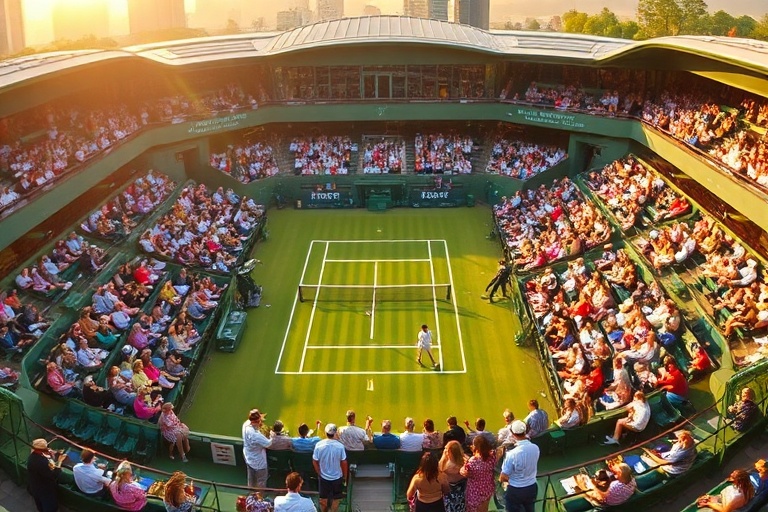
As the oldest tennis tournament in the world, Wimbledon has long been a cornerstone of the sport’s calendar. With the 2026 edition on the horizon, anticipation is building not just for the on-court action but for the innovations and narratives that will shape its legacy. The All England Lawn Tennis Club has already begun preparations, ensuring that tradition and progress continue to coexist.
The 2024 and 2025 tournaments have set the stage for what promises to be an even more dynamic event. From rising stars to seasoned champions, the field is wide open. Meanwhile, discussions about sustainability, technology, and fan engagement are intensifying. Wimbledon 2026 is poised to be more than just a tournament—it’s a reflection of where tennis is headed.
The Tournament’s Evolving Identity
Wimbledon has always balanced its rich history with forward-thinking changes. The 2026 edition will continue this tradition, with several key updates already announced. One of the most notable is the ongoing commitment to environmental sustainability. The All England Club has pledged to reduce its carbon footprint by 50% by 2030, a goal that will see tangible changes in operations, from energy consumption to waste management.
Technology will also play a larger role. The tournament has been testing AI-driven tools to enhance fan experiences, including real-time match analytics and personalized viewing options. While these innovations won’t replace the charm of Centre Court, they will offer new ways for global audiences to engage with the event.
The tournament’s social media presence will expand further, with a focus on short-form video content and interactive features. This aligns with broader trends in sports media, where accessibility and immediacy are paramount. Wimbledon’s organizers are keenly aware that younger fans consume content differently, and they’re adapting accordingly.
Players to Watch in 2026
The ATP and WTA tours are in constant flux, with new talents emerging and established stars refining their games. Wimbledon 2026 will feature a mix of familiar faces and fresh contenders, creating an unpredictable narrative.
On the men’s side, Carlos Alcaraz and Jannik Sinner remain the top-ranked players, but the next generation is nipping at their heels. Holger Rune, Ben Shelton, and Arthur Fils have shown flashes of brilliance, and one of them could break through in a major way. Meanwhile, Novak Djokovic’s quest for a record-breaking 25th Grand Slam title adds another layer of intrigue.
The women’s field is equally compelling. Iga Świątek and Aryna Sabalenka will be the favorites, but the depth of the tour is deeper than ever. Coco Gauff, Jessica Pegula, and Linda Nosková are among the players capable of making a deep run. The 2025 season will be crucial in determining who will rise to the occasion in 2026.
Wildcards and qualifiers always add an element of surprise to Wimbledon. Past editions have seen journeymen and underdogs upset seeded players, and 2026 will likely be no different. The club’s tradition of inviting wildcards ensures that the tournament remains unpredictable and inclusive.
Potential Storylines
- Novak Djokovic’s Legacy: With 24 Grand Slam titles, every major he plays is scrutinized for potential history. A win in 2026 would further cement his status as the GOAT.
- Young Stars on the Rise: Players like Alcaraz, Rune, and Gauff are still in their early 20s. Their development over the next two years could redefine the sport’s power dynamics.
- Comebacks and Redemption: Injured players returning to form—such as Serena Williams’ potential wildcard entry—could electrify the tournament.
The Fan Experience: Tradition Meets Innovation
Wimbledon’s charm lies in its traditions, from strawberries and cream to the all-white dress code. Yet, the tournament is also embracing change to enhance the fan experience. For 2026, organizers are introducing several new initiatives to make attendance more accessible and enjoyable.
Ticketing remains a hot topic. The All England Club has refined its ballot system to improve fairness, though demand will still far outstrip supply. For those unable to secure tickets, the grounds offer a vibrant atmosphere with big screens, live music, and food options that cater to diverse tastes. The 2025 edition saw the introduction of a “fan zone” with interactive games and player meet-and-greets, and this concept will likely expand in 2026.
For the first time, Wimbledon is exploring a “hybrid ticketing” model, allowing fans to purchase digital passes that grant access to exclusive online content, including behind-the-scenes footage and live Q&As with players. While in-person attendance remains the gold standard, these digital offerings are a step toward inclusivity.
The tournament’s food and beverage program continues to evolve. In 2025, plant-based and locally sourced options were introduced, reflecting broader consumer trends. Expect these choices to grow in 2026, alongside collaborations with high-profile chefs to elevate the culinary experience.
Beyond the Baseline: Wimbledon’s Broader Impact
Wimbledon isn’t just about tennis; it’s a cultural and economic event that ripples across London and the UK. The 2026 tournament will generate significant revenue for local businesses, from hotels to restaurants and transport services. The All England Club’s partnership with Transport for London ensures smooth logistics, but the sheer volume of visitors means challenges, particularly around crowd control and accessibility.
The tournament also serves as a platform for social causes. Wimbledon has a long-standing commitment to charity, with proceeds from ticket sales and merchandise supporting various initiatives. In 2026, expect a renewed focus on mental health awareness, given the pressures faced by professional athletes. The club’s “Wimbledon Foundation” will likely expand its programs, using the tournament’s global reach to drive meaningful change.
Another area of growth is esports. While not directly tied to Wimbledon, the club has explored partnerships with gaming organizations to create virtual tennis experiences. These initiatives are still in their infancy but could become more prominent by 2026, appealing to younger demographics and diversifying the tournament’s appeal.
Economic and Social Contributions
- Tourism Boost: Wimbledon injects millions into London’s economy, supporting jobs in hospitality and retail.
- Charity Initiatives: The Wimbledon Foundation funds programs focused on youth development, health, and education.
- Sustainability Efforts: The club’s eco-friendly initiatives set a benchmark for other sporting events.
Conclusion: Why Wimbledon 2026 Matters
Wimbledon 2026 is shaping up to be a pivotal moment for tennis and beyond. It’s a tournament that honors its past while boldly stepping into the future. The blend of tradition and innovation, combined with the unpredictable nature of the sport, ensures that it will captivate audiences worldwide.
For players, it’s an opportunity to etch their names into history. For fans, it’s a chance to witness greatness in one of the most iconic settings in sports. And for the broader community, Wimbledon 2026 represents a commitment to progress—socially, environmentally, and technologically.
As the countdown begins, the excitement is palpable. Whether you’re a lifelong fan or a casual observer, Wimbledon 2026 promises to deliver moments that will be talked about for years to come.
For more insights into the world of tennis and sports, explore our Sports and Analysis categories. Stay tuned for updates as the tournament approaches.