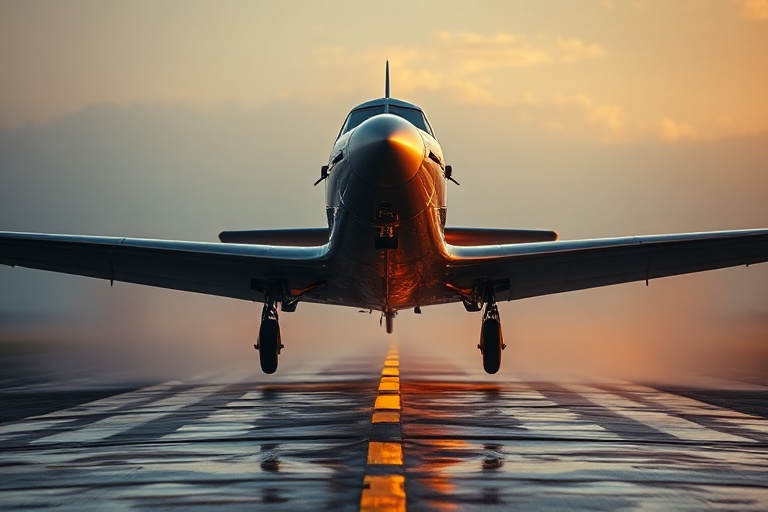
airplane
The airplane has reshaped human civilization in ways few inventions ever have. Since the Wright brothers’ first powered flight in 1903, commercial aviation has evolved from a daring experiment into the backbone of global connectivity. Today, more than 4 billion passengers board flights annually, crossing continents in mere hours—transformations that once took months by ship or weeks by train.
The airplane’s influence extends beyond mere convenience. It has redrawn economic maps, redefined cultural exchange, and even altered the rhythms of daily life. From the rise of tourism in remote destinations to the acceleration of international business, air travel has become an invisible thread weaving together the fabric of modern society.
The Birth of a Revolution: From Kitty Hawk to Global Networks
The airplane’s origins trace back to a windswept North Carolina dune on December 17, 1903. Orville and Wilbur Wright’s 12-second flight in the Wright Flyer marked the first sustained, controlled, powered heavier-than-air manned flight. Yet, it would take decades for aviation to move beyond military and mail-carrying roles into passenger service.
Commercial aviation truly took off in the 1950s with the introduction of jetliners like the Boeing 707 and Douglas DC-8. These aircraft slashed travel times across the Atlantic from days to hours, making intercontinental journeys feasible for the middle class. The jet age democratized global mobility, turning what was once a luxury reserved for the wealthy into an accessible experience for millions.
By the 1970s, deregulation in the United States and the rise of budget carriers in Europe and Asia further expanded access. Airlines like Southwest in the U.S. and Ryanair in Europe pioneered low-cost models that made flying affordable for broader populations. Today, a round-trip ticket from New York to London can cost less than a train ride across Europe did in the 1980s.
A Connected World: The Cultural and Economic Ripple Effect
Air travel has dismantled geographical barriers, enabling unprecedented cultural exchange. Languages, cuisines, and traditions once confined to specific regions now circulate globally within days. A sushi chef trained in Tokyo can serve customers in Buenos Aires, while a reggae musician from Kingston can perform in Berlin within 24 hours.
The airplane has also fueled the rise of “global citizens”—individuals who identify more with international communities than with their birthplaces. Expatriate communities, international students, and digital nomads rely on frequent flights to maintain connections across borders. Cities like Dubai and Singapore thrive as aviation hubs, attracting talent from every corner of the globe.
Economically, the airplane is a catalyst for growth. Airports generate billions in revenue, supporting local businesses, hotels, and tourism industries. According to the International Air Transport Association (IATA), aviation supports over 87 million jobs worldwide and contributes $3.5 trillion to global GDP annually. Regions once considered remote—such as the Maldives, Rwanda, and Iceland—have transformed into tourist hotspots thanks to direct flights.
- Tourism Boom: Destinations like Bali, Cape Town, and Kyoto owe much of their modern prosperity to international airports.
- Business Integration: Multinational corporations rely on air travel for face-to-face meetings, supply chain logistics, and talent acquisition.
- Medical Outreach: Humanitarian flights deliver critical aid and medical supplies to disaster zones and underserved regions.
The Dark Side of the Skies: Environmental and Social Costs
Despite its benefits, air travel is one of the fastest-growing sources of carbon emissions. A single long-haul flight can generate more CO₂ than a person in some developing countries produces in an entire year. The aviation industry accounts for approximately 2.5% of global CO₂ emissions, a figure expected to triple by 2050 if unchecked.
Critics argue that the environmental cost outweighs the convenience, especially as climate change accelerates. Campaigns like “Flight Shame” (or Flygskam in Swedish) have gained traction, urging travelers to opt for trains or reduce flying altogether. Countries like France have even banned short-haul flights where train alternatives exist within 2.5 hours.
Noise pollution, habitat disruption near airports, and the social divide between those who fly and those who don’t further complicate the narrative. While aviation has democratized travel, it has also exacerbated inequality. A 2022 study found that just 1% of the global population is responsible for half of all commercial aviation emissions.
The Future of Flight: Innovation and Adaptation
The industry is responding to these challenges with technological innovation. Electric aircraft, such as those developed by companies like Heart Aerospace and Eviation, promise to reduce emissions for short-haul flights. Airbus aims to introduce hydrogen-powered commercial jets by 2035, potentially eliminating carbon emissions entirely.
Sustainable aviation fuels (SAFs) made from recycled cooking oil or plant-based sources are already powering flights today. Major airlines, including United and Delta, have committed to using SAFs to cut emissions by 2030. Meanwhile, advancements in air traffic management and more efficient aircraft designs are improving fuel efficiency by up to 20% per passenger.
On the social front, the rise of remote work and virtual meetings may reduce business travel demand. However, the desire for authentic experiences—whether cultural, culinary, or natural—continues to drive tourism. The challenge lies in balancing growth with sustainability, ensuring that the next generation of travelers can explore the world without destroying it.
The Airplane in Popular Culture: Symbolism and Storytelling
The airplane has long been a symbol of progress, freedom, and adventure in art and storytelling. From the glamorous golden age of aviation depicted in films like The Aviator to the high-stakes drama of Airport (1970), aviation has captivated audiences for over a century.
In literature, the airplane often represents human ambition and the tension between innovation and hubris. Antoine de Saint-Exupéry, a pioneering aviator himself, wove aviation into his works like Night Flight and The Little Prince, using the sky as a metaphor for both isolation and connection.
Today, the airplane appears in memes, viral videos, and internet culture. Viral footage of passengers arguing over reclining seats or flight attendants dancing on safety demonstrations has turned mundane travel into shareable content. Even the mundane act of boarding a plane has become a cultural touchpoint, reflecting societal norms around patience, etiquette, and personal space.
Airlines have also embraced pop culture to enhance brand identity. Emirates, for example, has partnered with Hollywood studios to feature its aircraft in blockbusters. Meanwhile, budget airlines like Ryanair lean into humor and irreverence, turning delays and cramped seats into punchlines.
A Final Thought: The Sky’s the Limit
The airplane is more than a machine—it is an emblem of human ingenuity, a bridge between cultures, and a double-edged sword in the fight against climate change. Its legacy is a tapestry of progress and paradox: enabling global unity while straining planetary resources.
As we stand on the precipice of a new era in aviation, the choices we make today will determine whether the airplane remains a force for connection or becomes a relic of unsustainable growth. The future of flight hinges not just on technological breakthroughs, but on a collective commitment to responsible stewardship of our skies.
For now, the airplane endures as both a marvel of engineering and a mirror of human ambition—soaring ever higher, even as it forces us to confront the ground realities below.
Explore more on aviation and global culture:
- Travel Trends – Discover how airlines are adapting to climate change.
- Technology Innovations – Learn about the latest in electric and hydrogen-powered aircraft.