astana
Nestled along the banks of the Ishim River in northern Kazakhstan, Astana stands as a testament to the country’s ambition and forward-thinking vision. Since becoming the capital in 1997, replacing Almaty, Astana has transformed from a modest provincial city into one of the world’s most striking modern metropolises. Its futuristic architecture, wide boulevards, and meticulously planned urban spaces reflect Kazakhstan’s desire to carve out a distinct identity on the global stage.
The city’s name itself carries historical weight. Originally founded in 1830 as a Russian fortress called Akmoly, it evolved through several rebrandings—first to Tselinograd during the Soviet Virgin Lands Campaign, then to Akmola in 1992, and finally to Astana in 1998. In 2019, the capital was renamed Nur-Sultan in honor of Kazakhstan’s first president, Nursultan Nazarbayev, though it reverted to Astana in 2022 following political shifts. This fluid naming history mirrors the city’s dynamic evolution, where layers of the past coexist with bold new aspirations.
A City Built on Vision: The Architectural Marvels of Astana
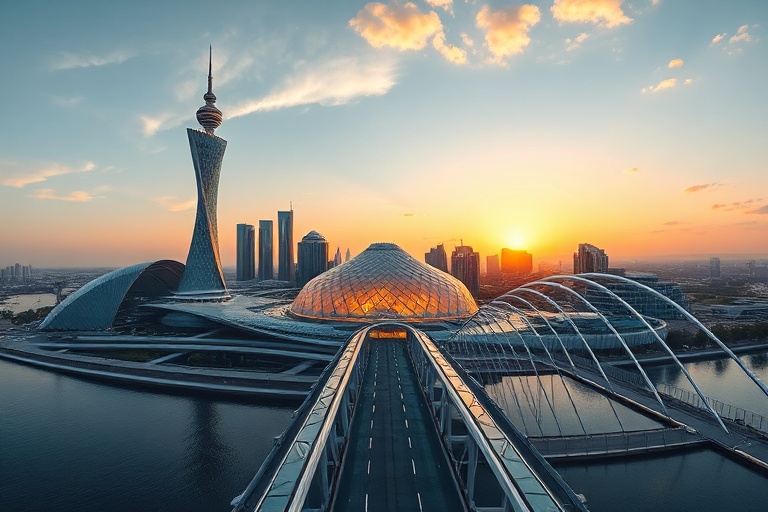
Astana’s skyline is a visual symphony of avant-garde design, where each landmark tells a story of national pride and innovation. The city’s most iconic structure, the Bayterek Tower, rises 105 meters above the city center. With its golden egg-shaped observation deck, the tower symbolizes the mythical Tree of Life and the Kazakh legend of the magic bird Samruk. Visitors ascend to the top for panoramic views, but the tower’s true significance lies in its representation of a new Kazakhstan—one that looks confidently toward the future.
The Palace of Peace and Reconciliation, designed by British architect Norman Foster, is another architectural gem. This glass pyramid serves as a venue for the Congress of Leaders of World and Traditional Religions, emphasizing Kazakhstan’s role as a bridge between cultures and faiths. Meanwhile, the Khan Shatyr Entertainment Center, with its translucent, tent-like canopy, houses an artificial beach, shopping mall, and cinema under one roof—a feat of engineering that demonstrates Astana’s ability to blend functionality with spectacle.
Astana’s urban planning extends beyond individual buildings. The city is organized into distinct districts, each serving a specific purpose. The left bank of the Ishim River, known as the “Left Bank” or “New City,” is the heart of government and business, featuring ministries, corporate headquarters, and residential complexes. The right bank, or “Old City,” retains more traditional elements, including museums and cultural institutions. This deliberate division ensures that Astana remains both a functional capital and a livable urban space.
Public Spaces and Green Initiatives
Despite its modern reputation, Astana does not neglect the importance of green spaces. The city boasts over 100 parks and boulevards, with the Central Park of Culture and Rest spanning 170 hectares. The park’s centerpiece is the Hazrat Sultan Mosque, one of the largest in Central Asia, with a capacity of 10,000 worshippers. Nearby, the Khan Shatyr’s artificial beach and the Winter Garden provide year-round recreational opportunities, even during Astana’s harsh winters.
Astana’s commitment to sustainability is evident in its public transportation system. The city’s metro, opened in 2011, is one of the youngest in the world and features modern, energy-efficient trains. Bike-sharing programs and pedestrian-friendly zones further reduce the city’s carbon footprint. These initiatives align with Kazakhstan’s broader goals of reducing reliance on fossil fuels and promoting renewable energy, as outlined in its Technology and Sustainability policies.
Cultural Crossroads: Astana as a Hub for Arts and Diplomacy
Astana’s role extends beyond politics and architecture; it is also a cultural powerhouse. The city hosts the annual Astana International Forum, which brings together global leaders in politics, business, and academia. The forum’s focus on dialogue and cooperation underscores Kazakhstan’s ambition to be a neutral and constructive player on the world stage.
In the arts, Astana is home to institutions like the Astana Opera, which opened in 2013 and has quickly gained international acclaim. The opera house’s grand façade and world-class acoustics make it a premier venue for performances ranging from classical ballet to Kazakh folk music. Similarly, the National Museum of the Republic of Kazakhstan, one of the largest museums in Central Asia, offers a comprehensive journey through the country’s history, from ancient nomadic cultures to its Soviet past and modern achievements.
Festivals and Events
Astana’s cultural calendar is packed with events that celebrate both local and global traditions. The Eurasia Film Festival, launched in 2016, showcases cinema from across the continent, fostering cultural exchange. The Capital City Day, celebrated every summer, features concerts, fireworks, and exhibitions that highlight Kazakhstan’s diverse heritage. These events not only entertain but also reinforce Astana’s identity as a melting pot of cultures.
One of the most anticipated events is the Astana EXPO, a world’s fair that attracts millions of visitors. The 2017 EXPO, themed “Future Energy,” drew over 4 million people and featured pavilions from 115 countries. The site itself has been repurposed into a futuristic district, complete with smart buildings and green spaces, demonstrating how international collaboration can shape urban futures.
Life in Astana: Challenges and Opportunities
Despite its rapid growth, Astana faces challenges common to many rapidly developing cities. Housing shortages, traffic congestion, and the high cost of living are persistent issues. Winters are notoriously harsh, with temperatures plunging below -30°C (-22°F), while summers can be uncomfortably hot. The city’s planners have responded with investments in infrastructure, including new highways and a second metro line, but balancing development with livability remains an ongoing challenge.
For residents, Astana offers opportunities that are hard to find elsewhere in Kazakhstan. The city’s job market is robust, particularly in sectors like finance, technology, and government. Its universities, including Nazarbayev University, attract top talent from across Central Asia, fostering a culture of innovation and entrepreneurship. The city’s expat community, though small, contributes to its cosmopolitan atmosphere, with international schools, restaurants, and cultural events catering to diverse tastes.
The Expat Experience
For foreigners, Astana can be both exhilarating and isolating. The city’s modern amenities and international standards make it an attractive destination for professionals, but the language barrier and cultural differences can pose hurdles. English is not widely spoken outside of business and diplomatic circles, and Kazakh and Russian are the dominant languages. However, the city’s expat networks, such as those in diplomatic missions and multinational corporations, provide support and camaraderie.
Cultural adaptation often begins with exploring the city’s culinary scene. Astana’s restaurants range from traditional Kazakh eateries serving beshbarmak and kazy to international cuisines like sushi, Italian, and Middle Eastern. The Green Bazaar, a bustling market in the Old City, is a must-visit for fresh produce, spices, and local delicacies. Meanwhile, high-end dining options in the New City cater to those seeking a taste of global sophistication.
The Future of Astana: A Model for Other Cities?
As Astana continues to evolve, it serves as a case study in how a city can reinvent itself while honoring its past. Its blend of futuristic architecture and green initiatives offers lessons for other capitals grappling with urbanization and climate change. The city’s emphasis on sustainability, cultural diversity, and economic resilience positions it as a model for similar projects in the region.
Looking ahead, Astana’s planners are focused on several key priorities. Expanding public transportation, increasing green spaces, and improving housing affordability are top of the agenda. The city is also investing in technology, with smart city initiatives aimed at improving efficiency and quality of life. These efforts reflect a broader trend in Kazakhstan, where innovation is seen as a tool for social progress and national unity.
Potential Pitfalls and Criticisms
Of course, Astana is not without its critics. Some argue that the city’s rapid development has come at the expense of authenticity, with critics calling it a “planned city” devoid of the organic charm found in older Kazakh cities like Almaty or Turkestan. Others point to the high cost of living, which can be prohibitive for many Kazakhs. The city’s reliance on oil and gas revenues also raises questions about its long-term economic sustainability.
Yet, these criticisms do not overshadow Astana’s achievements. The city remains a symbol of Kazakhstan’s resilience and ambition, a place where tradition and innovation coexist. Whether it’s the gleaming towers of the Bayterek or the serene beauty of the Central Park, Astana offers a glimpse into a nation that is not afraid to dream big.
Conclusion: Astana as a Reflection of Kazakhstan
Astana is more than just a capital; it is a microcosm of Kazakhstan itself. A country of vast steppes and towering mountains, Kazakhstan has long been a crossroads of civilizations. Astana embodies this legacy, blending the old with the new, the local with the global. Its streets tell stories of nomadic heritage, Soviet influence, and post-independence ambition. Its buildings reflect a society that is both rooted in tradition and unafraid to embrace the future.
For visitors, Astana offers a unique experience—one that challenges perceptions of Central Asia as a remote or underdeveloped region. For residents, it provides opportunities and challenges that come with rapid growth. And for the world, it stands as a reminder that progress is not just about economic growth but about creating spaces where people can thrive. As Kazakhstan continues to write its next chapter, Astana will undoubtedly remain at the heart of its narrative.
Whether you’re drawn by its architectural wonders, its cultural festivals, or its role as a diplomatic hub, Astana invites you to explore a city that is as complex as it is captivating. It is a place where the past and future collide, and where the spirit of Kazakhstan is on full display.