How Arsenal’s Kit Designs Reflect Football’s Evolution
The Arsenal football club has long been synonymous with iconic kits that blend tradition with cutting-edge design. From the classic red shirts of the 1930s to today’s technologically advanced jerseys, the club’s attire tells a story of football history, identity, and innovation. Beyond aesthetics, Arsenal’s kit choices reflect broader trends in sportswear, fan engagement, and even sustainability.
The History Behind Arsenal’s Iconic Kits
Arsenal’s association with red dates back to its formation in 1886, when Nottingham Forest donated a set of red kits to the Dial Square club—later renamed Arsenal. The shade has evolved over the decades, from the darker, wool-based shirts of the early 20th century to the vibrant, lightweight fabrics of the modern era. In the 1930s, Herbert Chapman’s famous red-and-white striped shirts became a symbol of the club’s dominance under his management.
The 1970s introduced bold designs, including the club’s first sponsorship deal with JVC in 1982. These kits marked a shift from purely aesthetic choices to commercial partnerships that would later define football attire. By the 1990s, Arsenal’s kits became global icons, worn by legends like Thierry Henry and Patrick Vieira, cementing their place in football folklore.
Key Milestones in Arsenal’s Kit History
- 1886: Dial Square adopts red kits donated by Nottingham Forest.
- 1930s: Herbert Chapman’s striped design becomes a club staple.
- 1982: First major sponsorship deal with JVC.
- 1990s: Kits worn by legends like Thierry Henry gain global recognition.
- 2020s: Sustainable materials and smart fabrics enter the design.
Modern Design: Where Tradition Meets Technology
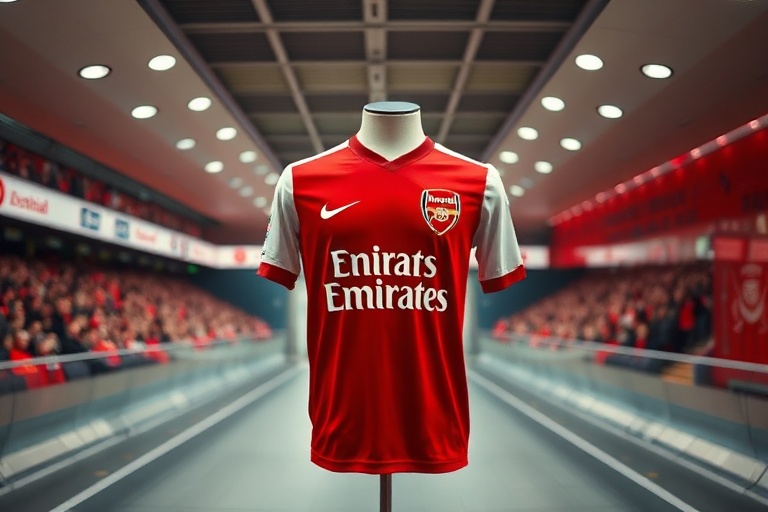
Today’s Arsenal kits are a far cry from the heavy cotton shirts of the past. Modern designs incorporate performance-enhancing fabrics, moisture-wicking technology, and even smart features like embedded sensors for tracking fitness metrics. The club’s partnership with Adidas has pushed these innovations further, introducing lighter, more breathable materials that enhance player performance.
Design-wise, Arsenal has experimented with bold patterns and retro revivals. The 2022-23 away kit, for example, featured a gradient design inspired by London’s skyline, blending urban aesthetics with football tradition. Such choices reflect a broader trend in sportswear, where clubs balance heritage with contemporary appeal.
Sustainability has also become a priority. Arsenal’s 2023-24 kits incorporated recycled polyester, reducing environmental impact without compromising quality. This shift aligns with growing fan expectations for eco-friendly sportswear, a trend mirrored across the footballing world.
The Cultural and Commercial Impact of Arsenal’s Kits
Arsenal’s kits are more than just uniforms—they are cultural artifacts. Replica shirts are among the best-selling in football, driving revenue and global brand recognition. The club’s ability to merge tradition with modernity has kept its kits relevant across generations. Fans don’t just wear them to support the team; they wear them as a statement of identity.
Commercially, Arsenal’s kit releases generate significant buzz. The club’s annual unveiling events attract media attention, while limited-edition designs often sell out within hours. This commercial success is a testament to the power of branding—Arsenal’s kits are instantly recognizable, whether in stadiums or on social media.
The broader implications of this are clear: football kits have become a key driver of fan engagement and revenue. Clubs that balance heritage with innovation, like Arsenal, set the standard for how sportswear can evolve without losing its soul.
What’s Next for Arsenal’s Kits?
Looking ahead, Arsenal’s kits will likely continue pushing boundaries. Expect to see more sustainable materials, smart fabrics, and perhaps even augmented reality features embedded in the designs. The club’s focus on fan experience could also lead to interactive elements, such as QR codes linking to exclusive content.
For now, Arsenal remains a leader in kit design, blending history, innovation, and sustainability. Whether it’s the classic red or a futuristic away strip, one thing is certain: the club’s attire will always be as much about the fans as it is about the players.
For a deeper look at how football kits reflect broader cultural trends, explore our Trending and Sports sections. Whether you’re a collector, a fan, or simply curious about the evolution of sportswear, Arsenal’s kits offer a fascinating case study in design and identity.