Ben Kern: How One Explorer Changed Outdoor Adventure Forever
Ben Kern: A Modern Pioneer in Outdoor Exploration
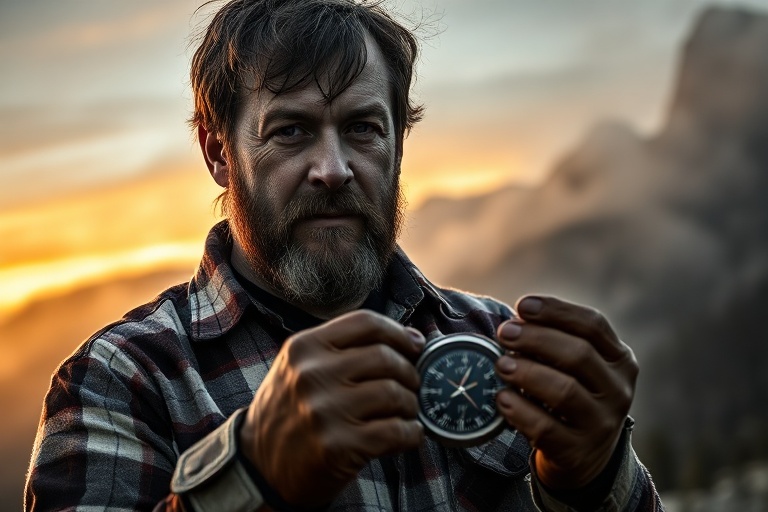
Ben Kern isn’t just another name in the wilderness—he’s a storyteller whose adventures have reshaped how people connect with nature. For decades, Kern has pushed boundaries, blending exploration with environmental advocacy, and his influence extends far beyond the trails he’s blazed. From the rugged peaks of Patagonia to the dense jungles of Southeast Asia, his work has inspired a global movement of outdoor enthusiasts to see the natural world differently.
The Early Years: From Curiosity to Calling
Born in Colorado, Kern grew up surrounded by the Rocky Mountains. Unlike many who inherit a love for the outdoors, he earned his passion through relentless curiosity. As a teenager, he spent weekends hiking alone, often covering 20-mile loops just to find the perfect camping spot. His first major expedition came at 19, when he hiked the entire Colorado Trail—a 486-mile journey that took 37 days. This wasn’t just a physical test; it was the moment Kern realized adventure could be a form of art.
By his early 20s, Kern had already traded conventional life for one of near-constant motion. He worked seasonal jobs—trail crew, wilderness guide, and even a stint as a park ranger—to fund his travels. His approach wasn’t about conquering nature but about understanding it. Kern documented his journeys in journals and later in blogs, which quickly gained traction among outdoor communities. His writing stood out for its raw honesty; he wrote about fear, failure, and the quiet beauty of solitude in ways that felt personal rather than performative.
Global Expeditions: Kern’s Impact on Adventure Culture
Kern’s reputation as an explorer solidified in the late 2000s when he began tackling some of the world’s most remote landscapes. His 2010 traverse of the Himalayan region, including a solo crossing of the Annapurna Circuit, became legendary. Unlike guided expeditions that prioritize safety and comfort, Kern’s trips were minimalist—he carried everything he needed on his back and relied on his own judgment. This philosophy aligned with a growing global movement toward “leave no trace” travel, where the goal is to minimize human impact on pristine environments.
His 2015 expedition through the Amazon Basin further cemented his status as a modern-day adventurer. Kern didn’t just document the trip; he used it to highlight the threats facing indigenous communities and ecosystems. His dispatches, shared on platforms like Dave’s Locker, became a rallying point for environmental activists and travelers alike. Kern’s work showed that adventure could be a tool for advocacy, not just escapism.
- 2008: First solo traverse of the Wind River Range in Wyoming, a 100-mile route with no marked trails.
- 2012: Completed a 6-month journey along the Pacific Crest Trail, from Mexico to Canada, alone.
- 2017: Led a team through the Siberian wilderness, documenting the effects of climate change on permafrost.
- 2021: Traversed the entire length of New Zealand’s South Island, focusing on conservation efforts.
The Philosophy Behind the Persona
Kern’s approach to adventure is rooted in a philosophy he calls “intentional wandering.” For him, exploration isn’t about Instagram-worthy moments or personal records—it’s about presence. In interviews, he often reflects on the contrast between modern life and the natural world: “We’ve built a society that rewards speed and efficiency, but the wilderness doesn’t work that way. It demands patience, humility, and a willingness to be uncomfortable.”
This mindset has made Kern a polarizing figure in some circles. Traditionalists admire his discipline and respect for nature, while critics argue that his solo expeditions set a dangerous precedent for inexperienced adventurers. Kern addresses these concerns by emphasizing preparation and self-awareness. “Adventure isn’t about recklessness,” he once wrote. “It’s about knowing your limits and pushing them thoughtfully.” His 2020 book, Footsteps and Echoes, delves into these ideas, offering a blueprint for those who want to explore responsibly.
Beyond the Trails: Kern’s Cultural Influence
Kern’s impact extends beyond geography and into culture. His collaborations with outdoor brands have redefined what it means to be an ambassador for nature. Unlike many influencers who prioritize sponsorships, Kern partners with companies that align with his values—gear that’s durable, sustainable, and designed for real-world use. His influence can be seen in the rise of “slow travel” and the growing popularity of multi-day treks, which often mirror his routes.
In the sports world, Kern’s ethos has seeped into endurance athletics. Ultramarathoners and ultra-cyclists cite his work as inspiration for their own journeys. His belief that “the journey is the destination” has become a mantra in endurance communities, where participants often describe races as pilgrimages rather than competitions.
Kern’s cultural reach isn’t limited to the West. In Japan, his writings on mindfulness in nature resonated with a society increasingly disconnected from the outdoors. In Scandinavia, his minimalist approach influenced the “friluftsliv” movement, which emphasizes outdoor living as a way of life. Kern’s global appeal lies in his universality—his adventures feel both extraordinary and relatable, a balance that few explorers achieve.
A Legacy Still Unfolding
At 52, Kern shows no signs of slowing down. His current project, a multi-year expedition through the Andes, aims to document the effects of glacial retreat on local communities. He’s also mentoring a new generation of explorers through online workshops and in-person retreats, emphasizing not just survival skills but ethical considerations like cultural sensitivity and environmental stewardship.
Kern’s greatest contribution might be his ability to make the wild feel accessible. In an era where nature documentaries often emphasize spectacle over substance, his work reminds us that adventure is as much about inner growth as it is about external landscapes. Whether he’s crossing a glacier or sitting by a campfire, Kern’s presence feels like an invitation—to slow down, look closely, and remember that the world is still full of mysteries worth exploring.
“The best adventures aren’t the ones you brag about. They’re the ones that change how you see yourself—and the world around you.”
— Ben Kern, from Footsteps and Echoes
For those inspired to follow in his footsteps, Kern’s advice is simple: “Start small. Walk out your door and go as far as you can. Then go farther.”