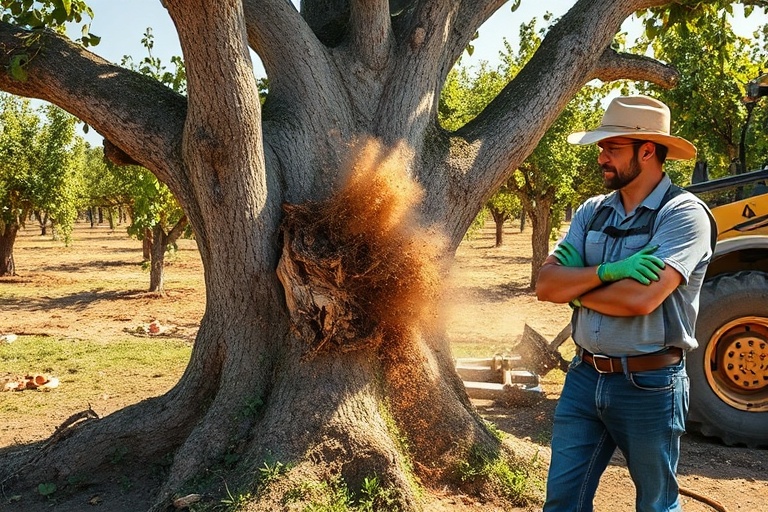
california peach tree removal
Removing peach trees in California has become a topic of growing concern among homeowners, orchard operators, and environmental agencies. The decision to remove these trees—whether for disease management, land development, or orchard renewal—requires careful consideration of costs, ecological impact, and long-term consequences. Unlike the state’s iconic citrus or olive groves, peach trees face unique challenges tied to climate, pests, and market demand, making their removal a nuanced process.
The practice spans from small backyard orchards in Fresno County to large commercial operations in the Central Valley. While some removals are routine, others stem from urgent issues like bacterial spot, root rot, or encroaching urbanization. Understanding the full scope of peach tree removal—from financial costs to environmental trade-offs—can help property owners make informed choices that balance practicality with sustainability.
Why California Growers Are Removing Peach Trees
Several key factors drive the removal of peach trees across California’s agricultural regions. Disease and pest pressure top the list, with bacterial canker and peach leaf curl causing significant yield losses in orchards that no longer justify treatment costs. According to the University of California Agriculture & Natural Resources, these pathogens thrive in the state’s variable climate, especially during wet winters, accelerating the decline of older orchards.
Market shifts also play a crucial role. California produces nearly 70% of the nation’s peaches, but global competition and fluctuating consumer demand have reduced profitability for some growers. High labor costs, water scarcity, and rising input prices further strain operations. As a result, some farmers are opting to remove peach trees and transition to more lucrative crops like almonds, pistachios, or specialty fruits.
Urban expansion is another major factor, particularly in counties like Ventura and Santa Clara. As residential and commercial development encroaches on farmland, orchard removal becomes necessary for land conversion. This trend reflects broader changes in California’s agricultural landscape, where traditional fruit orchards are giving way to housing developments and infrastructure projects.
- Disease and pest pressures – Bacterial canker, leaf curl, and root rot reduce yield and increase treatment costs.
- Economic viability – High labor, water, and energy costs make peach farming less profitable than alternatives.
- Land use changes – Urbanization and development often necessitate orchard removal.
- Orchard renewal – Older trees decline in productivity, prompting replacement with younger, disease-resistant varieties.
The Costs of Peach Tree Removal in California
Removing a peach tree is not a one-size-fits-all process. Costs vary based on tree size, location, and disposal method. Small backyard trees under 15 feet tall typically cost between $200 and $500 to remove, including stump grinding. Larger commercial trees, particularly those in dense orchards, can range from $500 to $2,000 per acre, depending on accessibility and equipment needs.
Stump removal adds another layer of expense. Stump grinding averages $100 to $400 per tree, while full stump removal (including root extraction) can exceed $800. Disposal fees for wood and debris also contribute to the total cost, especially in regions with strict waste management regulations. In urban areas, contractors may charge premium rates due to permits and equipment access restrictions.
Property owners should also consider long-term financial implications. Removing trees may reduce property value temporarily, especially if the landscape appears bare. However, replanting with drought-tolerant or high-value crops can offset these costs over time. Consulting with local agricultural extension services or certified arborists can help property owners budget effectively and avoid unexpected expenses.
Commercial vs. Residential Removal Costs
Commercial orchard removal involves specialized equipment like skid steers, chippers, and stump grinders, often operated by crews trained in large-scale tree felling. These projects require permits, environmental impact assessments, and coordination with local water districts, particularly in areas with groundwater restrictions. Residential removals, while smaller in scope, still demand precision to avoid property damage and ensure safe disposal.
Some growers explore cost-sharing programs through state or federal agricultural initiatives. For example, the California Department of Food and Agriculture offers grants for orchard removal as part of its Healthy Soils Program, which supports sustainable land management practices. These programs can offset up to 50% of removal costs for qualifying applicants, making the process more feasible for small and mid-sized farms.
Environmental and Regulatory Considerations
Peach tree removal is subject to a range of environmental and regulatory requirements in California. The state’s stringent water quality and air quality laws often dictate how trees can be removed and disposed of. Burning tree debris, for instance, is heavily restricted due to air pollution concerns, pushing growers toward chipping or hauling wood to approved facilities.
Additionally, the removal of any tree in California may trigger local ordinances, particularly in fire-prone areas like the Sierra Foothills or Southern California hillsides. Some counties require permits for tree removal, especially if the trees are part of a protected riparian zone or a designated agricultural preserve. Failure to comply with these regulations can result in fines or legal complications.
Environmental benefits can arise from thoughtful removal practices. For example, replacing peach trees with native shrubs or drought-resistant crops can reduce water usage and support local biodiversity. However, improper removal—such as clear-cutting without replanting—can lead to soil erosion, habitat loss, and increased wildfire risk. Growers are increasingly adopting conservation-minded approaches, such as using wood chips as mulch or partnering with conservation groups to restore native vegetation.
Fire Safety and Tree Removal
In regions designated as high-fire hazard zones, peach tree removal may be part of a broader defensible space strategy. The California Department of Forestry and Fire Protection (CAL FIRE) recommends removing dead or dying trees within 100 feet of structures to reduce fuel loads. While peach trees are not as flammable as pines or eucalyptus, their removal can still improve fire safety when combined with other landscape modifications.
Property owners in these areas should consult with local fire departments or certified arborists to determine the best approach. In some cases, trees may be preserved if they are healthy and strategically located to provide shade or windbreaks. The key is balancing fire safety with ecological and aesthetic goals.
Alternatives to Full Removal
Complete removal is not always necessary. For trees that are diseased but still structurally sound, pruning and treatment may extend their productive life. Rootstock selection and grafting can also revitalize older orchards, reducing the need for full replacement. Integrated pest management (IPM) strategies, such as pheromone traps for borers or copper sprays for fungal issues, can help manage problems without resorting to removal.
Another alternative is transitioning to high-density planting systems, which maximize yield per acre and reduce long-term maintenance costs. These systems, common in modern almond orchards, can be adapted for peaches with the right rootstock and training techniques. While the initial investment is higher, the increased productivity often justifies the expense.
For homeowners, converting peach trees to ornamental or multi-purpose plants can preserve their value. Some varieties, like the ‘Bonanza’ dwarf peach, are prized for their flowers and compact size, making them suitable for urban landscapes. Others may be repurposed as wildlife habitat or pollinator gardens, especially if they are no longer productive for fruit.
- Pruning and treatment – Removing only infected branches or applying targeted fungicides can save the tree.
- Rootstock renewal – Grafting disease-resistant rootstock onto existing trunks can rejuvenate orchards.
- High-density planting – Modernizing orchard layouts can improve yield and reduce costs.
- Ornamental conversion – Repurposing trees for aesthetics or wildlife support preserves their utility.
Preparing for Life After Peach Trees
The period following peach tree removal presents an opportunity to reassess land use and future planning. For commercial growers, this may mean diversifying into crops like cherries, plums, or nuts, which often have stronger market demand. The University of California’s cost studies for these alternatives can guide financial decisions, factoring in labor, water, and equipment needs.
Homeowners, on the other hand, might consider replanting with low-water species like olive trees, lavender, or native oaks. These options require less maintenance and align with California’s push toward sustainable landscaping. Some property owners opt for vegetable gardens or orchard mixes, incorporating multiple fruit trees to spread risk and extend the harvest season.
Regardless of the path chosen, soil health should be a priority. Peach trees deplete nutrients over time, so testing soil pH and organic matter levels is essential before replanting. Adding compost or cover crops can restore fertility, while drip irrigation systems can improve water efficiency. Consulting with a local farm advisor or nursery professional can ensure a smooth transition and set the stage for long-term success.
For those unsure about next steps, resources like the Farming and Sustainability sections on Dave’s Locker offer guidance on orchard management, crop alternatives, and eco-friendly land practices. These platforms provide practical insights from experts and fellow growers, helping property owners navigate the complexities of post-removal planning.
Conclusion
Peach tree removal in California is a multifaceted issue, shaped by economic pressures, environmental regulations, and evolving agricultural practices. Whether driven by disease, market shifts, or urbanization, the decision to remove these trees requires careful planning to minimize costs and maximize long-term benefits. From understanding removal expenses to exploring alternatives and preparing for replanting, property owners must weigh multiple factors to make sustainable choices.
As California’s agricultural landscape continues to transform, the fate of peach orchards will depend on innovation, adaptability, and a commitment to responsible land stewardship. By staying informed and leveraging available resources, growers and homeowners can navigate this process with confidence, ensuring their land remains productive