carnival spirit
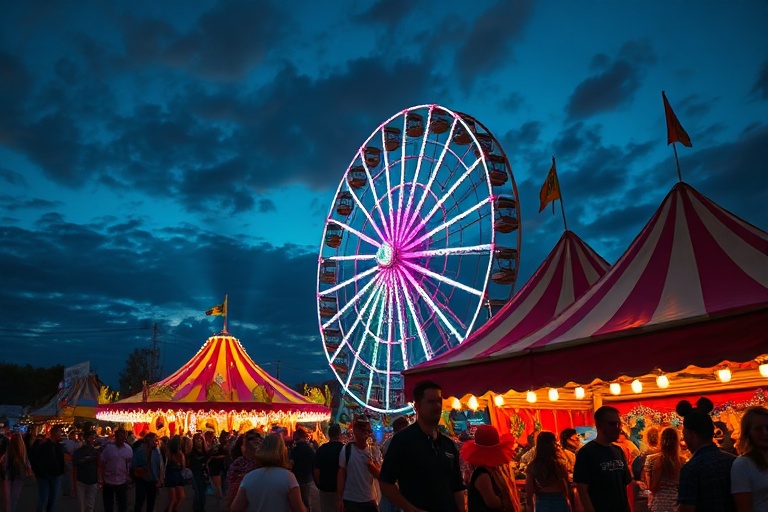
The carnival spirit isn’t confined to a single season or a specific calendar date. It’s an infectious energy that transforms ordinary spaces into stages for celebration, self-expression, and communal joy. Whether it’s the elaborate floats of Mardi Gras in New Orleans, the vibrant parades of Rio de Janeiro, or the intimate masquerade balls of Venice, carnival represents a temporary escape from the ordinary. This spirit thrives on creativity, spontaneity, and the shared belief that for a few fleeting moments, the rules of everyday life can bend—or even break.
At its core, the carnival spirit is about transformation. Participants don elaborate costumes not just to hide their identities but to reveal new facets of themselves. A shy accountant might become a flamboyant pirate. A reserved teacher could embody the spirit of a mythical creature. This metamorphosis isn’t merely visual; it’s psychological. Stepping into a costume is like slipping into another skin, one where inhibitions dissolve and confidence soars. The act of dressing up becomes a form of liberation, a way to explore facets of identity that might otherwise remain dormant.
The Psychology Behind the Carnival Spirit
The allure of carnival lies in its ability to satisfy deep-seated human desires: to be seen, to belong, and to momentarily shed societal constraints. Psychologists often link the carnival experience to the concept of “flow,” a state of complete immersion where time seems to stand still. When people lose themselves in the music, the dance, or the spectacle, they experience a rare sense of harmony between action and awareness. This flow state isn’t just pleasurable—it’s restorative. It offers a break from the relentless demands of modern life, where productivity and efficiency often take precedence over joy and spontaneity.
Carnival also taps into the universal need for ritual and tradition. Across cultures, festivals and celebrations serve as anchors, providing structure and meaning in an unpredictable world. The carnival spirit, with its roots in ancient pagan festivals like Saturnalia and medieval Christian traditions like Lent, is a testament to humanity’s enduring love for cyclical renewal. These events remind us that life isn’t just about progress; it’s also about celebration, reflection, and rebirth. In a society that often prioritizes forward momentum, carnival offers a necessary pause—a chance to revel in the present moment.
The Role of Music and Dance in Fueling the Spirit
Music and dance are the lifeblood of carnival. They don’t just accompany the festivities; they drive them, creating an irresistible momentum that pulls everyone into the fray. Consider the samba schools of Rio, where thousands of dancers rehearse for months to perform synchronized routines that last mere minutes. The precision and passion of these performances are awe-inspiring, but what’s even more remarkable is the way music and dance dissolve barriers between performer and spectator. In the midst of a parade, it’s impossible to remain a passive observer. The rhythm demands participation, whether through clapping, singing, or simply swaying to the beat.
This communal aspect of carnival music and dance is no accident. Researchers have found that synchronized movement and shared musical experiences release oxytocin, often called the “bonding hormone.” This chemical reaction fosters a sense of trust and connection among participants, reinforcing the idea that carnival is as much about community as it is about individual expression. In cities like Trinidad and Tobago, where carnival is a cornerstone of national identity, the festival serves as a unifying force. It brings together people of different ages, races, and socioeconomic backgrounds, all united by a shared love for rhythm and revelry.
Carnival Spirit in the Digital Age
The digital revolution has transformed how we experience carnival. Social media platforms like Instagram and TikTok have turned festivals into global phenomena, allowing celebrations from one corner of the world to inspire others thousands of miles away. A single viral video of a Brazilian bloco parade or a New Orleans jazz funeral can spark interest in communities with no prior tradition of carnival. This cross-pollination of ideas has led to a surge in smaller, DIY-style festivals that blend local culture with borrowed traditions. For example, cities like Berlin and London now host Caribbean-style carnivals, complete with steelpan bands and elaborate costumes, despite having no historical ties to such celebrations.
Yet, this digital expansion comes with its own set of challenges. The pressure to capture the “perfect” carnival moment can detract from the authentic experience of being present. Scrolling through a phone screen to find the ideal angle for a photo might mean missing the spontaneous magic of a stranger’s infectious laughter or the unplanned moment of connection with a fellow reveler. Some purists argue that the soul of carnival is at risk of being diluted by algorithms and influencer culture. They advocate for a return to the grassroots, where the focus is on participation rather than performance.
Sustainability and the Future of Carnival
As carnival grows in popularity, so too does the conversation around its environmental impact. The sheer scale of materials used in costumes, the carbon footprint of international travelers flocking to festivals, and the waste generated by single-use decorations have sparked calls for more sustainable practices. Organizations like Carnival Green are leading the charge, promoting initiatives such as upcycled costumes, biodegradable glitter, and carbon-offset travel options. These efforts highlight an important truth: the carnival spirit isn’t just about celebration—it’s about responsibility.
Initiatives like Trinidad’s “Green Carnival” have shown that sustainability and spectacle aren’t mutually exclusive. Local designers are increasingly using recycled materials to create stunning costumes, while parade organizers are swapping plastic beads for handmade alternatives. These changes aren’t just good for the planet; they also add a layer of authenticity to the experience. When revelers know that their celebration is contributing to a greater cause, the joy of carnival feels even more meaningful.
How to Cultivate the Carnival Spirit Year-Round
You don’t need a passport or a parade permit to embrace the carnival spirit. It’s a mindset that can be nurtured in everyday life, turning mundane moments into opportunities for joy and creativity. Start small: host a themed dinner party where guests dress up as their favorite fictional characters. Or organize a neighborhood block party with a playlist that blends samba, jazz, and funk. The key is to prioritize participation over perfection. The goal isn’t to create a flawless spectacle but to foster an environment where people feel free to express themselves without judgment.
If you’re looking for inspiration, consider the rise of “micro-carnivals”—intimate gatherings that capture the essence of carnival on a smaller scale. These events often feature local artists, musicians, and performers, creating a sense of community that feels both personal and inclusive. Platforms like Dave’s Locker showcase these grassroots celebrations, proving that the carnival spirit isn’t confined to a specific time or place. It’s a way of life that thrives on curiosity, connection, and a willingness to embrace the unexpected.
- Start a “costume jar” at home, where family or roommates can add random accessories. Pull from it whenever you need a quick mood boost.
- Learn a new dance style, even if it’s just the basics of salsa or swing. Movement is a gateway to joy.
- Host a monthly themed potluck where guests bring dishes inspired by different cultures’ celebrations.
- Create a playlist of carnival-inspired music and play it during chores or commutes to infuse everyday tasks with festive energy.
Conclusion: Why the Carnival Spirit Matters
In a world that often feels fragmented and fast-paced, the carnival spirit offers a vital counterbalance. It reminds us of the importance of play, of stepping outside our comfort zones, and of finding joy in the collective. Whether it’s through music, dance, costume, or sheer exuberance, carnival teaches us that life is richer when we embrace our creativity and connect with others. It’s a celebration of what it means to be human—a fleeting, vibrant, and deeply necessary reminder that joy isn’t a luxury; it’s a necessity.
The next time you feel the weight of routine pressing down, ask yourself: what would a carnival version of this moment look like? Maybe it’s wearing a ridiculous hat to the grocery store or striking up a conversation with a stranger at a bus stop. The carnival spirit isn’t about waiting for a festival to arrive; it’s about inviting the festival into your life, one small act of joy at a time.